
Posted on

New Hosting Service Coming Soon!

New hosting service coming soon

The Mindful Ecotherapy Center, LLC is excited to announce a significant change that will enhance the overall experience of our clients and students: we are switching to a new hosting service. This decision marks an important step toward ensuring the quality, security, and reliability of our online courses and other digital offerings. In today’s increasingly online world, the platforms we use to deliver content are as important as the content itself, and we believe this transition will benefit everyone who interacts with our services.

Why We’re Making the Change

The primary reason for switching hosting providers is to improve the quality of our clients’ online experience. As our center has grown, so has our community of users who rely on our courses and resources for professional development, personal growth, and continuing education. While our previous hosting service served us well for many years, we began to notice some challenges as our client base expanded. Some of you may have experienced difficulties logging in or difficulties downloading materials. With our new hosting service such difficulties should be a thing of the past.

Increased Demand on the Platform

Our online courses, webinars, and digital products have seen a significant rise in demand, with more students enrolling each year. This rapid growth placed increased pressure on our existing hosting infrastructure, resulting in slower load times and occasional technical glitches. As we strive to provide a smooth, stress-free learning environment, we knew we needed a more robust hosting service to keep up with the increasing demand.

Security Concerns

In the age of cyber threats, ensuring the security of our clients’ data is paramount. Although we pride ourselves on the fact that since we were founded in 2007 we’ve never had a security breach, our new hosting service will provide extra security. Our former hosting platform was secure, but we realized the need for more advanced protection as new security risks emerged. Sensitive information, such as client login details, payment data, and personal progress reports, must be protected with the latest security protocols. The new hosting service will offer enhanced encryption and additional security layers, ensuring that all transactions and personal data are as safe as possible.

Technical Support and Reliability

Reliable and efficient technical support is essential, especially when our students depend on us for timely assistance during their learning journeys. Although our previous hosting provider offered some technical support, response times were not always as fast as we would have liked. In contrast, our new hosting service has a reputation for exceptional customer support, with 24/7 availability and a team that is dedicated to resolving issues quickly. This means our clients will experience fewer disruptions and quicker resolutions if problems arise.

The Benefits of the New Hosting Service

We carefully selected our new hosting provider to offer key improvements in several areas, and we’re confident that these changes will translate to a better experience for all users of the Mindful Ecotherapy Center’s digital resources.

Improved Performance and Speed

One of the most noticeable benefits of the new hosting service will be improved performance. Faster load times and more efficient course delivery will enhance the user experience, particularly for those accessing courses on mobile devices or slower internet connections. This upgrade will ensure that all users can access our content seamlessly, whether they are downloading course materials, watching videos, or participating in live webinars.

Enhanced Security Features

The new hosting provider is equipped with cutting-edge security protocols, including advanced firewalls, secure socket layer (SSL) encryption, and frequent security audits. These measures will safeguard client data from hacking attempts and unauthorized access. Additionally, our new provider offers secure payment gateways, adding another layer of protection for those purchasing our courses or other products.

Scalability for Future Growth

Our new hosting service is designed to scale with us as we continue to grow. Whether we add new courses, integrate new technologies like virtual classrooms, or expand our offerings, this hosting provider will allow us to do so seamlessly. This means we won’t outgrow our platform anytime soon, and we can focus on expanding the quality of our services without worrying about technical limitations.

Improved User Interface and Accessibility

The platform we’ve chosen offers a more intuitive user interface, making it easier for clients to navigate the site and access the resources they need. We’ll be improving site navigation until the first of the year, making it easier to find what you’re looking for. Whether you’re enrolling in a new course, tracking your progress, or downloading materials, the experience will be smoother and more user-friendly. Additionally, the new hosting service offers enhanced accessibility features, ensuring that our courses are easy to use for individuals with disabilities or those who rely on assistive technology.

What This Means for You

For our current students and clients, the transition to the new hosting platform will be smooth and seamless. We’ve worked closely with the new provider to ensure that no data or progress will be lost during the transition, and you will not need to re-register or recreate your accounts. You can continue accessing your courses as usual, and any changes will be communicated clearly through email and our website. There may be brief outages during low-traffic times, but these will be announced in the blog should they occur.

In terms of user experience, you can expect faster load times, better security, and improved reliability. Our goal is to make your learning journey as enjoyable and stress-free as possible, and we believe this new hosting service will help us achieve that goal.

Looking Ahead

This switch to a new hosting service is just one part of our ongoing efforts to enhance the Mindful Ecotherapy Center’s offerings. As we look ahead, we are committed to continuing our tradition of providing high-quality, accessible education and resources in the field of mindful ecotherapy. Whether you’re a returning student or new to our center, we’re confident that the improvements to our platform will enrich your learning experience.

Thank you for your continued support as we make this transition. We’re excited about the opportunities this new hosting service will provide, and we look forward to growing with you in the years to come.
Posted on

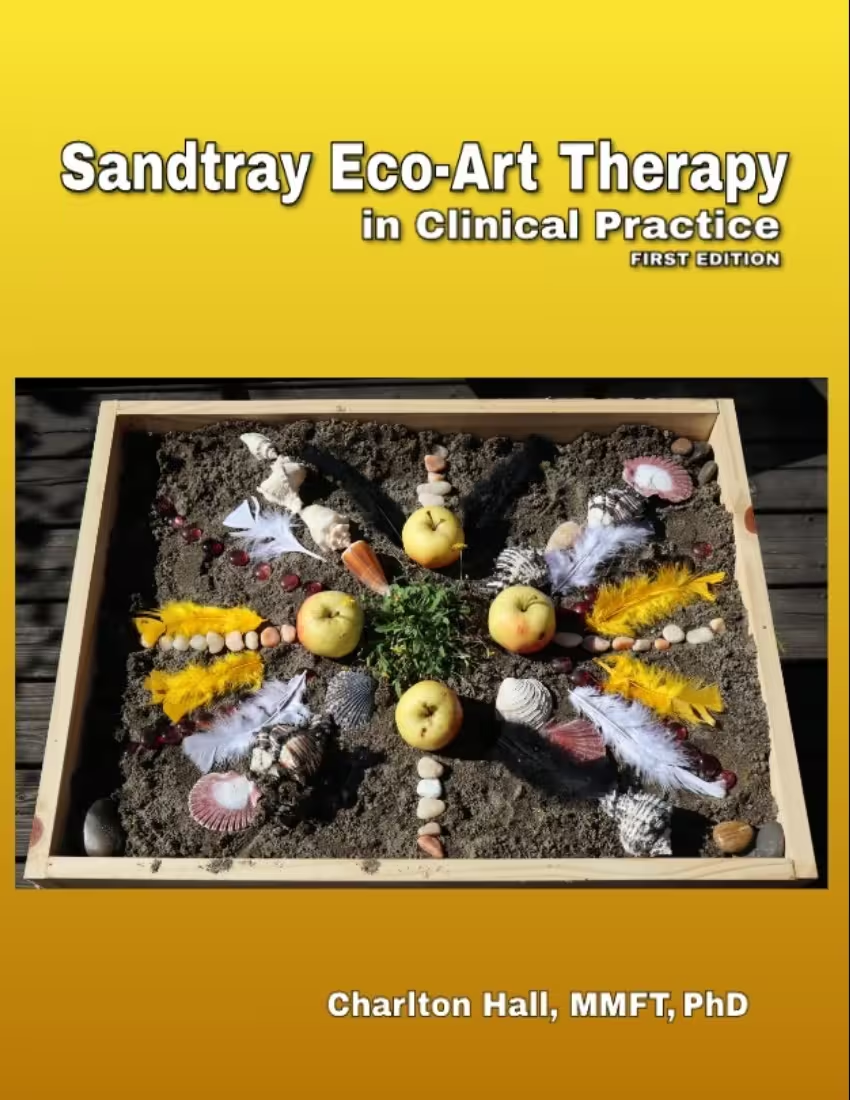
NOW AVAILABLE! Sandtray Eco-Art Therapy in Clinical Practice

Sandtray Eco-Art Therapy in Clinical Practice Online Homestudy Course
  • Target Audience: Mental Health Professionals
  • Online Home Study Continuing Education Hours: 20 (Twenty)

Course Description

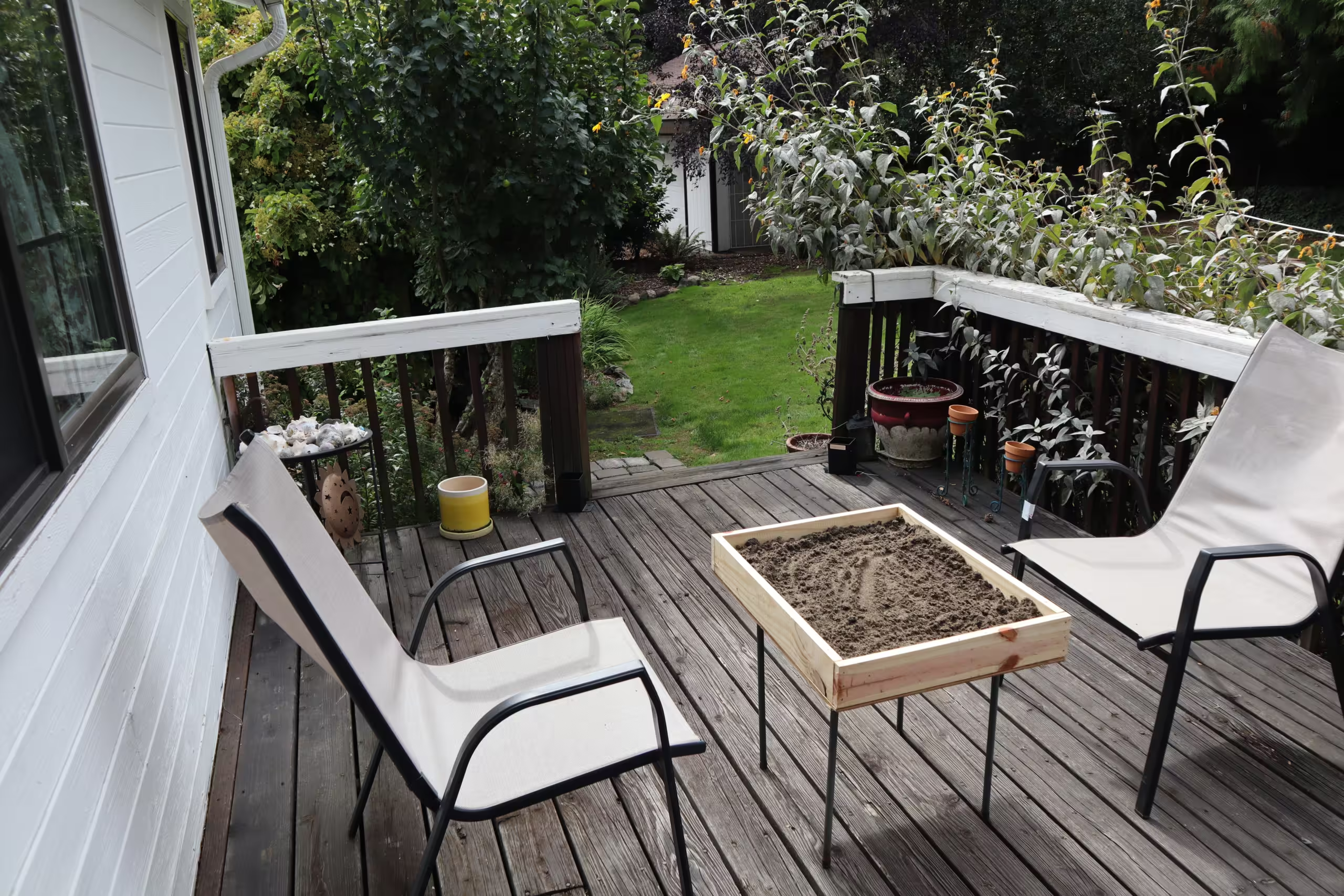
This self-paced online course offers a comprehensive introduction to Sandtray Eco-Art Therapy (SEAT), a unique therapeutic approach that integrates mindfulness, nature-based practices, and creative expression.

Participants will explore the foundational principles of both sandtray therapy and eco-art therapy, learning how to blend these modalities to create powerful interventions for clients in clinical settings. Through case studies, illustrations, and practical exercises, students will gain hands-on experience in facilitating SEAT interventions, promoting emotional healing, self-awareness, and personal growth.

We will also look at the history of sandtray therapy and eco-art therapy, list materials used for each, and discuss multiple interventions with Sandtray Eco-Art Therapy that may be used with your clients.

Finally, we will delve into the ethical and legal issues unique to the practice of Sandtray Eco-Art Therapy.

Ideal for therapists, counselors, and mental health professionals seeking to enhance their practice with eco-therapeutic tools.

The course is based on the textbook, Sandtray Eco-Art Therapy in Clinical Practice by Charlton Hall, MMFT, PhD and includes a pdf copy of the textbook plus several course documents that may be used in your clinical practice.


Privacy Policy | Refund and Returns Policy | Terms and Conditions


Course Objectives

Upon successful completion of this course, the student will be able to

  • Explain the core principles, techniques, and benefits of using sandtray in therapeutic settings.
  • Discuss how nature-based art practices can enhance emotional expression and mindfulness.
  • Explain how to combine these two modalities into a cohesive therapeutic approach.
  • Create a healing environment that supports SEAT interventions.
  • Describe how mindfulness and nature connection enhance the effectiveness of SEAT.
  • Explain and facilitate the structure and flow of SEAT sessions, from initial assessment to closure.
  • Fully implement SEAT interventions, including preparation, facilitation, and processing.
  • Implement and facilitate a variety of interventions designed for different client needs and therapeutic goals.
  • Describe and discuss real-world applications of SEAT with diverse populations and clinical settings.
  • Utilize methods for tracking progress and measuring the effectiveness of SEAT interventions.
  • Address the ethical implications and cultural sensitivities involved in SEAT practice.
  • Explain some of the cutting-edge developments and potential future trends in Sandtray Eco-Art Therapy.

Instructor Qualifications and Contact Information

This course was created by Charlton Hall, MMFT, PhD.

Charlton Hall, MMFT, PhD

Charlton Hall, MMFT, PhD is a former Marriage and Family Therapy Supervisor and a former Registered Play Therapy Supervisor (now retired from both those roles).

In 2008 he was awarded a two-year post-graduate fellowship through the Westgate Training and Consultation Network to study mindfulness and ecotherapy. His chosen specialty demographic at that time was Borderline Personality Disorder.

Dr. Hall has been providing training seminars on mindfulness and ecotherapy since 2007 when he founded what would become the Mindful Ecotherapy Center, LLC, and has been an advocate for education in ecotherapy and mindfulness throughout his professional career, serving on the South Carolina Association for Marriage and Family Therapy’s Board of Directors as Chair of Continuing Education from 2012 to 2014.

He served as the Chair of Behavioral Health for ReGenesis Health Care from 2014 to 2016 and trained all the medical staff in suicide risk assessment and prevention during his employment at that agency.

Dr. Hall is also a trained SMART Recovery Facilitator and served as a Volunteer Advisor in South Carolina for several years.

Dr. Hall’s area of research and interest is using Mindfulness and Ecotherapy to facilitate acceptance and change strategies within a family systemic framework, and he has presented research at several conferences and seminars on this and other topics.

Click here for instructor contact information

Click here to see a biography and summary of credentials for the Instructor

The Mindful Ecotherapy Center, LLC has been approved by NBCC as an Approved Continuing Education Provider, ACEP No. 7022. Programs that do not qualify for NBCC credit are clearly identified. The Mindful Ecotherapy Center, LLC is solely responsible for all aspects of the programs.

All course materials for this online home study continuing education course are evidence-based, with clearly defined learning objectives, references and citations, and post-course evaluations. Upon request a copy of this information and a course description containing objectives, course description, references and citations will be given to you for your local licensing board.

All of our courses and webinars contain course objectives, references, and citations as a part of the course materials; however, it is your responsibility to check with your local licensure board for suitability for continuing education credit.

No warranty is expressed or implied as to approval or suitability for continuing education credit regarding jurisdictions outside of the United States or its territories.

If a participant or potential participant would like to express a concern about his/her experience with the Mindful Ecotherapy Center, NBCC ACEP #7022, he/she may call or e-mail at (864) 384-2388 or chuck@mindfulecotherapy.com. Emails generally get faster responses.

You may also use the contact form below.

Although we do not guarantee a particular outcome, the individual can expect us to consider the complaint, make any necessary decisions and respond within 24 to 48 hours.

Privacy Policy | Terms and Conditions | Refund and Return Policy

Be informed when new courses are added –

subscribe to the Mindful Ecotherapy Center’s monthly newsletter.

Posted on

Reality and the Now

reality and the now

“Reality is that which, when you stop believing in it, doesn’t go away.”

-Phillip K. Dick

How do reality and the now influence the journey on the Way of the Coyote? What is reality? What does it have to do with the way we perceive time? From the perspective of ecospirituality, the past only exists in memory, and the future is just a projection of our memories. This means that both the past and the future only exist in our minds. The present moment is always becoming the past as we continue to move forward in time, and the future is always becoming the now as we continue to move forward in time.

Is time real? If the past and the future are products of memory and projections of the mind, do they have any real existence outside of this present moment? If so, how? Can a thing exist only in memory? If the past and the future are just imagined experiences created by the mind, then we are free in the now to create different experiences.

If there is any such thing as real time, then it can only exist right here, right now. If there is any such thing as free will, then it too can only exist right here and right now. This is because the past is gone, and the future is not here yet. We cannot travel back in time and exercise our free will about conscious choices in the past, because it no longer exists. Likewise, we cannot travel forward in time to choices that have not presented themselves yet because the future isn’t here yet.

But here in the now, we can make choices. Here we may exercise our free will to believe anything we want about the future…or the past. That is because this present moment is all that is real.

Reality and the Now: Pathway to Change

Reality and the Now is the Pathway to Change

We’ve often heard the saying that the only thing to fear is fear itself. Our brains can conjure up scarier monsters than actually exist in real life. When our brains do this to us, we sometimes do well to prepare ourselves for the worst-case scenario. Suppose an abused wife needs to leave her abusive husband. If she doesn’t think about the possible things he could do to her, she may find herself in a dangerous situation. In such a case, fear of the unknown has a basis in reality.

But much of what our imagination doles out when facing the unknown can get in the way of progress unless we deal head-on with it. This is what crossing the first threshold, psychologically, is about. Until we look closely at the dark stuff that stands in our way, we may not realize exactly why we can’t progress. We may make excuses of limited time, money, energy, or choices when really we’re suppressing our will to overcome all odds and make things better for ourselves.

We have to cross thresholds into the darkness of the mind throughout our lives. Does it get any easier? I think it unintentionally does because we learn to surrender. We say things to ourselves like, “Here we go again,” or, “Get ready to feel crappy.” In such a scenario, we are not acting out of personal power, but out of learned helplessness. We’ve grown so accustomed to the way things were in the past that we no longer believe we have a right to something better in the future.

Of course, we all have dark times, and we all feel like giving up from time to time. But the passage through the dark places can bring light and strength if we have the patience to endure. Without darkness, you could not know the light. Without the bad times, you could not acknowledge the good times. Although sometimes we must walk through the darkness, as long as we keep sight of the path, we may emerge on the other side wiser and stronger. If we can remember to trust the path in spite of our fears, we will have crossed the first threshold into the Belly of the Whale.

In future posts, we’ll talk about what the Belly of the Whale is, and how it can lead to personal transformation. For now, just remember that the only place you can change your current reality is here. The only time you can change your current reality is now. The past is gone, and the future is an illusion. Now is when we can make the change.


Share your Thoughts on Reality and the Now!

What do you think about reality and the now? Share your thoughts in the comments below!


Posted on

NOW AVAILABLE! Sandtray Eco-Art Therapy in Clinical Practice

Sandtray Eco-Art Therapy in Clinical Practice

CLICK HERE TO PURCHASE

ABOUT Sandtray Eco-Art Therapy in Clinical Practice

Sandtray Eco-Art Therapy in Clinical Practice offers an innovative approach to mental health treatment by blending the tactile engagement of sandtray therapy with the expressive potential of eco-art therapy. This comprehensive guide shows clinicians how to integrate these two powerful modalities into a cohesive therapeutic framework, promoting healing and transformation in clients of all ages.

Designed for therapists who wish to incorporate mindfulness, creativity, and nature-based practices into their work, this book provides step-by-step guidance on how to create meaningful therapeutic experiences. It covers a wide range of topics, including clinical case studies, session outlines, and practical tools for addressing common mental health issues such as trauma, anxiety, and low self-esteem.

Whether you are a seasoned practitioner or new to sandtray and eco-art therapy, Sandtray Eco-Art Therapy in Clinical Practice provides the foundational knowledge and practical skills necessary to create a safe, nurturing space for clients to explore and heal through creative expression. This text is essential reading for mental health professionals seeking to deepen their practice by tapping into the healing power of nature and creativity, as it offers a way to introduce the healing power of nature through ecotherapy for therapists who may not have ready access to an outdoor therapy space.

Sandtray Eco-Art Therapy in Clinical Practice offers a nature-based approach to therapy by combining the rich symbolism of sandtray therapy with the expressive, healing power of eco-art. This textbook introduces readers to a pioneering model that bridges two therapeutic methods, creating an innovative framework for clinicians working with individuals and groups facing various emotional, psychological, and behavioral challenges.

Rooted in mindfulness-based ecotherapy, this text emphasizes the role of nature in the healing process, helping clients reconnect with the environment and, in turn, with themselves. Sandtray Eco-Art Therapy (SEAT) blends the tactile, reflective process of sandtray therapy—where clients use miniatures to build symbolic worlds within a sandbox—with eco-art therapy, which invites clients to work with natural elements like leaves, stones, and wood in their artistic creations. This combination enhances therapeutic outcomes by fostering emotional expression, self-awareness, and grounding in the present moment.

The book offers clear, step-by-step instructions for integrating SEAT into your clinical practice, covering practical considerations for setting up a sandtray eco-art space, selecting materials, and structuring sessions to facilitate healing conversations. Through case studies, clinicians will gain insight into how SEAT can be applied to a variety of populations, including children, adolescents, and adults, helping clients navigate issues such as trauma, anxiety, grief, and relationship challenges.

Sandtray Eco-Art Therapy in Clinical Practice provides theoretical underpinnings that link SEAT to current trends in ecotherapy, expressive arts therapies, and mindfulness-based interventions. Readers will also find practical tips for tailoring SEAT to specific therapeutic goals, as well as methods for evaluating and documenting client progress.

Whether you are new to sandtray or eco-art therapy or are seeking to expand your existing toolkit with nature-based interventions, this textbook serves as a valuable resource. With a focus on creativity, environmental connection, and client-centered care, Sandtray Eco-Art Therapy in Clinical Practice offers a holistic path toward healing that integrates mind, body, and spirit. Perfect for therapists, counselors, social workers, and students, this text equips you with the knowledge and confidence to bring the benefits of nature and creativity into the clinical setting.


ABOUT THE AUTHOR OF Sandtray Eco-Art Therapy in Clinical Practice

Charlton Hall, MMFT, PhD is the author of multiple books on using mindfulness and ecospirituality to facilitate change within families and individuals, and he has presented research worldwide at conferences and seminars on this and other topics. In 2020 Dr. Hall retired from his position as a Marriage and Family Therapy Supervisor and Registered Play Therapy Supervisor to serve full-time as the Executive Director of the Mindful Ecotherapy Center, LLC. Learn more at www.mindfulecotherapy.org.

Posted on

Spiritual Power

spiritual power

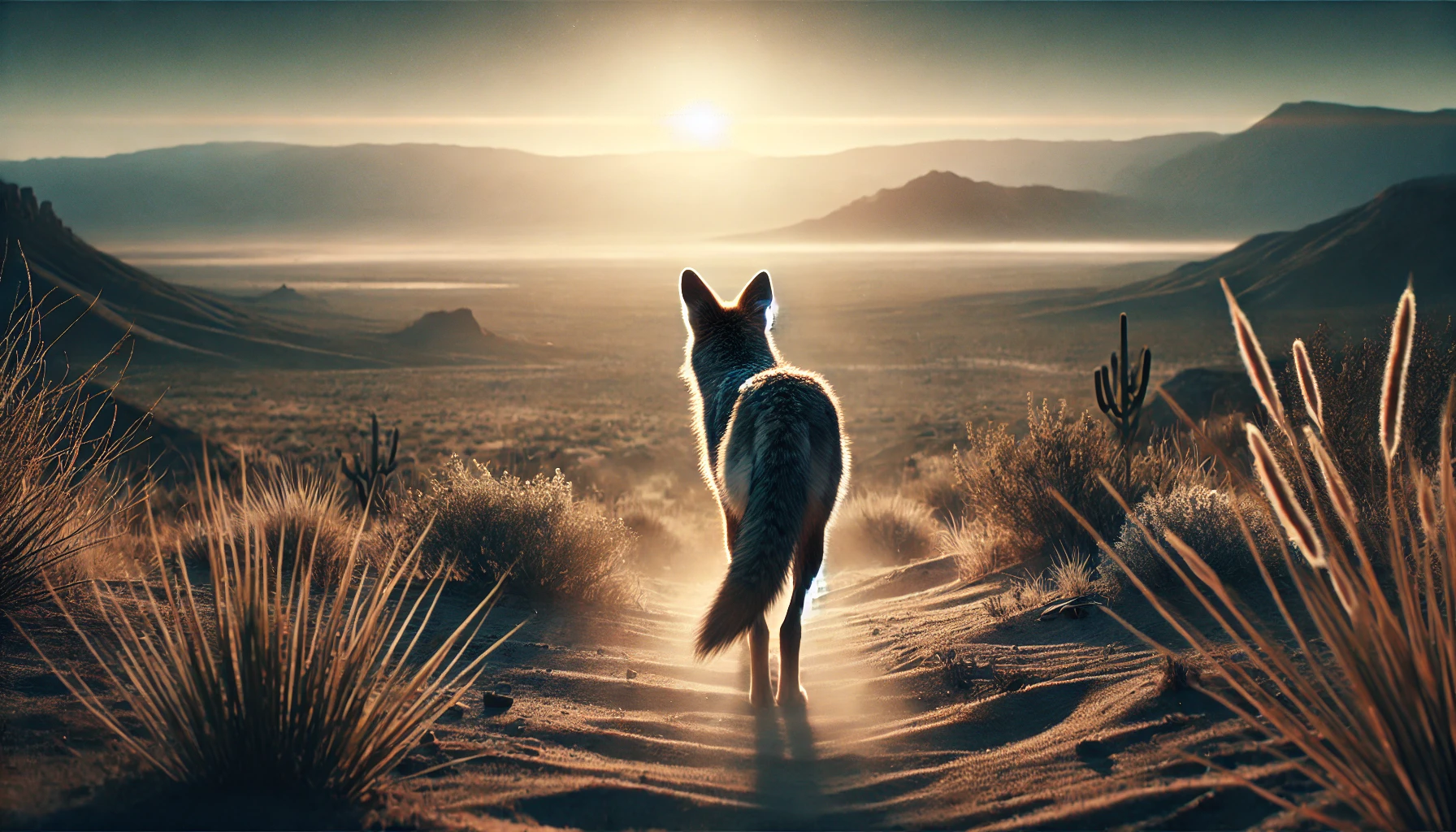
Ultimately, spiritual power means connection. The way of the ecospiritual shaman is the way of spiritual power. This could be a connection to nature, others, self, or your sense of a higher power. We have been tracking the seeker’s journey over the last few months with these blogs, and we are now at the beginning of the true seeker’s quest for spiritual power.

At this point in the seeker’s journey, reluctance has been overcome, the decision has been made, and the purpose and intention have been set. Supernatural Aid has been found, and the quest for true spiritual power can begin.

A journey of a thousand miles begins with a single step, and the Crossing of the First Threshold is the first step on the journey to spiritual power. Although there is still a long way to go, at least the quest has begun. At times when you feel overwhelmed at how much still remains, just remember to focus on one step at a time. If you are walking a thousand miles, and you focus on the fact that you have a thousand miles to go, you’ll get so discouraged that you’ll never take the first step. But if you just focus on the first step, and nothing but the first step, then focus on the next step, and only on the next step, and so on, the thousand miles will be over before you know it. It may help to remember that life is a journey and not a destination.

The key to walking in the Way of the Coyote is to enjoy the trip, in the present moment.

The whole purpose of setting out to answer the Call of the Coyote is to partake in a process of self-discovery that leads to the ability to live fully according to your own true nature. To answer the Call and to follow the Way means learning who you are, and what your place in the world might be. It is a quest to seek power of a spiritual nature.
The Way of the Coyote is the way of personal spiritual power. Such power is not power in the way the world conceives of power. It is not power that is involved in the accumulation of material possessions, or power that seeks to dominate and destroy other people. It is a spiritual power that operates in the spiritual realm. Such energy is the power to master the self, to heal, to nurture, and to gain wisdom.

Spiritual Power in the Way of the Coyote

You are leaving your old life behind as you set out on the Way of the Coyote in search of spiritual power. This means that you have already learned everything your old way of being in the world could teach you. Sometimes the baggage we carry from this older life as we cross the threshold can hinder us. Sometimes it can help us. In either case, the old way of being is part of your own personal mythology. At some point, this personal mythology has either failed you, or no longer satisfies you. If it did, there would be no reason to answer the Call of the Coyote, and you would have never begun this journey.

As you look back on the story of your life up until this point, consider why you find yourself now on a new path. What did your personal mythology teach you about the path you now seek to walk? If you are like many others, you may have been told that the Way of the Coyote is a dark and dangerous path. You may have been warned against following such a path. The spiritual power of this nature may go against your religious upbringing, or it may seem too “weird” to some people in your life. People in your life may have actively discouraged you from answering the Call of the Coyote.

Perhaps you were told that life is about the accumulation of material possessions, and not about answering a spiritual calling. Maybe you learned this from people whose idea of success is the accumulation of property rather than the accumulation of personal power. Maybe it’s just frightening to contemplate going off on a path you know little or nothing about. If these or any other reasons are conspiring to keep you from crossing the first threshold, don’t despair. With much risk comes much reward. As Mark Twain said, “Why not go out on a limb? That’s where the fruit is.”

By the time you finish reading this sentence, the experience of reading it will lie in the past. At which point does the present become the past? Now? How about now?

How about never?

Where exactly does the past lie, anyway? Once you have finished reading this sentence, the only place it will exist is in your memory. This means that all of your past experiences, all of those journeys you have already taken, only exist in what you remember about them. The past is a product of the mind.

Let’s turn to the future now.

Can you tell me exactly what will happen to you tomorrow? How about the next day? Or the next after that? Of course not, because you haven’t experienced it yet.

The problem with catastrophizing about what we think may come is that such thinking tries to predict the future. We are quite good at negative thinking. This is because negative thinking helps us to plan for the future. We look towards what might go wrong as a means of being prepared for any contingency. Without a little planning and prediction, we would never make any progress. If I don’t plan to make the house payment, I may not have a house in the future. If I don’t plan to eat today, and the next day, and the next, I might eventually starve to death.

But there is a difference between planning and catastrophizing. Catastrophizing involves focusing our attention only on the bad things that might happen in the future. I sometimes refer to it as musturbating, because it often takes the form of phrases like, “I must do this,” or “I must not do this.”

The difference between planning and catastrophizing is that planning involves setting concrete, measurable goals for the future while catastrophizing often ends in a storm of musterbation. Planning is a way of relieving anxiety, not of causing it. So if you’re feeling anxious while planning, you’re probably musturbating.

When you find yourself anxious while planning for the future, check to see if you are indeed catastrophizing or musterbating. Planning for the future is a way of anticipating negative outcomes and preparing for them so they don’t catch you unprepared further down the river. It is a way of relieving anxiety by minimizing future catastrophes. When planning for the future, watch out for statements that focus on negative outcomes rather than positive ones. This doesn’t mean that you cannot anticipate and plan for negative outcomes. If it did, nobody would ever buy health insurance! What it means is that you’re planning for negative outcomes in order to prevent or guard against them. When discussing possible negative outcomes during planning, it is as a means of having positive outcomes at a later time.

Spiritual Power and Catastrophizing

What if we do find ourselves catastrophizing? How do we escape it?

It’s called “catastrophizing” for a reason. It focuses only on potential future catastrophes. But unless you have a crystal ball, you cannot know the future with any certainty. This can be a scary proposition for people who have experienced catastrophes in the past, but if I find myself anticipating further disasters in the future, that possible future only exists in my mind. It is just as likely that something good might happen in the future. But if I’ve set my perception filter to only anticipate and look for bad outcomes, will I see a positive opportunity even if it presents itself?

Our perception filters only exist in our minds. The good news is that we are in charge of how those filters are set. We can choose which events in our lives to pay attention to.

The past only exists in memory, and the future is just an educated guess about what may or may not happen further downstream. Both past and future are nothing but products of the mind. We can consciously choose in the now which thoughts and feelings about past or future to give our energy to. When we do so, we are living in the now.

When we have anxiety, stress or depression, it is almost inevitably because we are dwelling on the past or on the future. As you read this sentence, are you having any stressful thoughts or feelings? If so, how many of those stressful thoughts or feelings are about what is going on right now, as you read this? How many of them are the result of things that happened in the past, or how many may or may not happen in the future?

To dwell on memories of the past, or projections of memory onto the future, is to be trapped by the mind. In the now, we can escape the mind trap and make conscious decisions on how much attention to give to those thoughts and memories. When we escape the mind trap, we step outside of time to the now. Here in the now, the past and the future cannot touch us unless we choose to let them.

In the now, we recognize that time is just the mind’s way of keeping everything from happening at once. Once we grasp the concept that time is just an illusion, we are free to connect with our True Self, in nature, and in the present moment. When we learn this lesson, we are on the road to true spiritual power.


Share Your Thoughts!

What does spiritual power mean to you? Share your thoughts in the comments below!