

Posted on

Animal-Assisted Ecotherapy: Building Bonds for Healing

animal-assisted ecotherapy

Animal-Assisted Ecotherapy (AAE) is an innovative therapeutic approach that integrates the healing power of nature with the emotional and psychological benefits of animal companionship. This form of ecotherapy is based on the idea that interactions with animals, such as dogs, cats, or even horses, can significantly improve mental and emotional well-being, reduce stress, and help individuals overcome anxiety and depression. Whether you are experiencing a period of emotional turmoil or simply looking for ways to enhance your mental health, animal-assisted ecotherapy could be a powerful tool for healing.

Understanding Animal-Assisted Ecotherapy

Animal-Assisted Ecotherapy combines the principles of ecotherapy—the practice of using nature and natural environments to promote healing—with animal-assisted therapy, which involves structured interaction between animals and humans for therapeutic purposes. The bond formed between animals and humans can provide emotional support, reduce feelings of isolation, and help people reconnect with themselves and their environment.

In animal-assisted ecotherapy, a therapist or certified animal handler may guide individuals through specific activities, which can range from walking a dog in nature, caring for an animal, or simply spending time in the presence of a calming creature. These activities promote mindfulness, a deeper connection with nature, and improved emotional regulation.

The Healing Power of Animals

Animals offer unique emotional benefits that can have a profound impact on mental health. Studies have shown that adopting a dog or cat, for example, can significantly lower stress levels, reduce anxiety, and alleviate symptoms of depression. The unconditional love and affection that animals provide help to create a sense of safety and emotional stability for those who may be struggling with difficult emotions or traumatic experiences.

Here are some key ways in which animals play a role in healing:

1. Reducing Stress

Research indicates that interacting with animals has a calming effect on the human brain. Physical contact, such as petting a dog or simply sitting with an animal, has been shown to release oxytocin (the “feel-good” hormone) and decrease the production of cortisol (the stress hormone). This physiological response can help reduce stress, tension, and anxiety levels, promoting a sense of relaxation and peace.

2. Providing Emotional Support

Animals offer unwavering companionship, which can significantly reduce feelings of loneliness and isolation. Their presence can foster a sense of connection, making individuals feel less alone in their struggles. For those dealing with anxiety, depression, or trauma, animal-assisted ecotherapy provides a safe and comforting space to process emotions in a non-judgmental environment.

3. Encouraging Mindfulness

Animals live in the present moment, and their behavior can serve as a model for mindfulness practices. Engaging with an animal allows individuals to focus on the here and now, letting go of past worries or future anxieties. Walking a dog, for instance, provides an opportunity to connect with nature, breathe in the fresh air, and appreciate the beauty around you.

4. Improving Social Interaction

Animal-assisted ecotherapy often encourages socialization, whether through group therapy or community events involving animals. Interacting with a pet can help individuals break down social barriers, build trust, and improve communication. For children, particularly those with autism or social anxiety, spending time with animals can enhance social skills and increase self-confidence.

5. Fostering Responsibility and Routine

Caring for an animal requires daily routines, such as feeding, walking, and grooming. This structure can provide individuals with a sense of purpose and stability, which is especially beneficial for those experiencing depression or lack of motivation. Additionally, the act of caring for an animal fosters empathy, compassion, and responsibility, qualities that can improve overall emotional well-being.

Animal-Assisted Ecotherapy for Mental Health

The benefits of animal-assisted ecotherapy are particularly evident for individuals dealing with mental health challenges. Studies have found that individuals who engage in animal-assisted therapy experience significant improvements in their mental health, including a reduction in anxiety and depression symptoms.

For instance, a study conducted by the University of Maryland found that patients who interacted with therapy dogs showed lower levels of cortisol and reported improved mood. Similarly, research published in the International Journal of Environmental Research and Public Health has indicated that ecotherapy, when combined with animal-assisted interventions, leads to improvements in mental health and emotional well-being.

Anxiety and Stress Relief

For individuals dealing with high levels of anxiety or stress, animal-assisted ecotherapy can be a therapeutic game-changer. Spending time in nature with an animal helps lower heart rates, reduce blood pressure, and promote feelings of calmness. Whether it’s through quiet reflection with a horse or playing fetch with a dog, animal interactions allow individuals to de-escalate and regain emotional balance.

Depression and Emotional Healing

For those experiencing depression, animals can offer both emotional support and companionship. Animals never judge, and their steady presence offers unconditional love. Studies have shown that pet ownership, particularly dogs and cats, can reduce symptoms of depression by improving mood, increasing activity levels, and providing a sense of responsibility.

Getting Started with Animal-Assisted Ecotherapy

If you are interested in animal-assisted ecotherapy, here are a few ways to get started:

  1. Consult with a Therapist – Look for a certified ecotherapist who incorporates animal-assisted therapy into their practice. They can help you explore the benefits of this therapeutic approach and guide you through various activities.
  2. Adopt or Foster an Animal – If you’re ready for a deeper connection, consider adopting a pet from a local shelter. Whether it’s a dog, cat, or even a rabbit, fostering or adopting an animal can help you build a meaningful and healing bond.
  3. Join Animal-Assisted Ecotherapy Programs – Many nature therapy centers offer animal-assisted ecotherapy programs. Check with local clinics or online resources to find a program that aligns with your needs.

Conclusion

Animal-Assisted Ecotherapy is a unique and effective therapeutic practice that can bring profound benefits to individuals dealing with stress, anxiety, depression, and other mental health challenges. By fostering a meaningful connection with animals in nature, individuals can find emotional healing, reduce feelings of isolation, and experience greater peace of mind. Whether through pet ownership or structured ecotherapy sessions, the bond formed between humans and animals can provide a safe, supportive environment for growth and healing.


Share Your Thoughts on Animal-Assisted Ecotherapy!

Have you ever benefitted from Animal-Assisted Ecotherapy? Have your pets or other animals ever helped your mental health? Share your thoughts in the comments below!

Don’t forget to check out our YouTube Channel!

Posted on

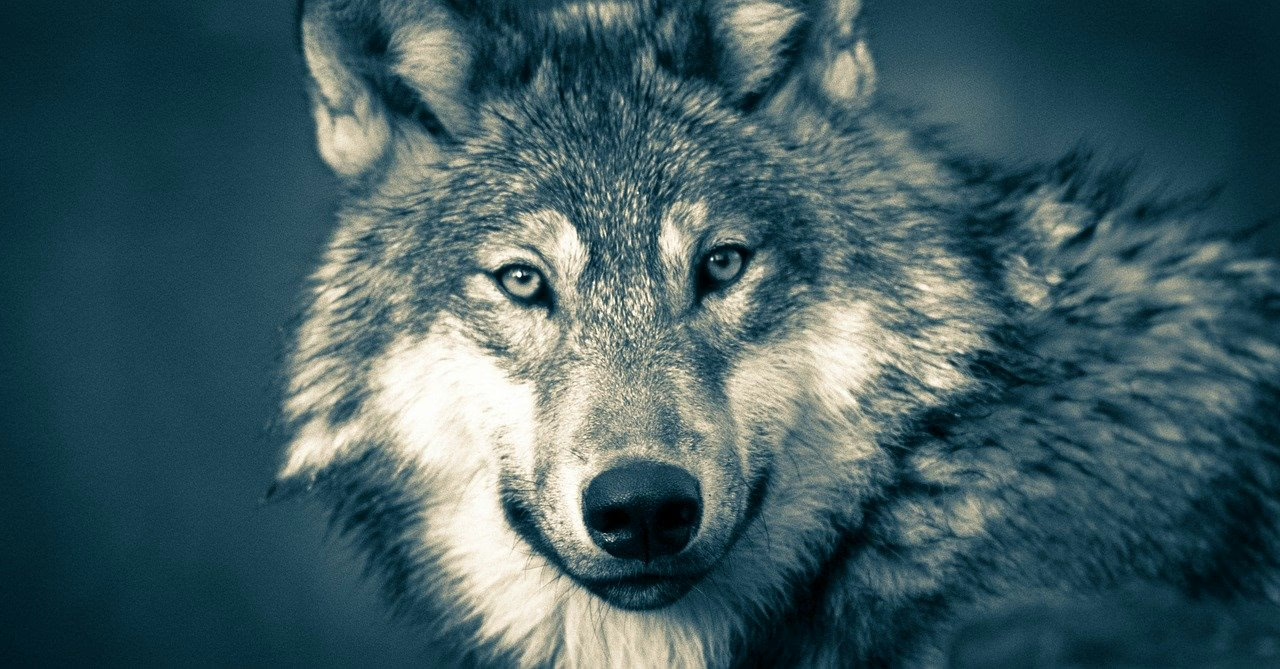
Sensing Wolf and Thinking Wolf: An Empowering Tale of 2 Wolves

sensing wolf
sensing wolf

An old Grandfather said to his grandson, who came to him with anger at a friend who had done him an injustice, “Let me tell you a story. I, too, at times, have felt a great hate for those who have taken so much, with no sorrow for what they do. But hate wears you down, and does not hurt your enemy. It is like drinking poison and wishing your enemy would die. I have struggled with these feelings myself many times.”

He continued, “It is as if there are two wolves inside me. One is good and does not harm. He lives in harmony with all around him, and does not take offense when no offense was intended. He will only fight when it is right to do so, and in the right way. But the other wolf is full of anger. The littlest thing will set him into a fit of temper. He fights everyone, all the time, for no reason. He cannot think because his anger and hate are so great. It is helpless anger, for his anger will change nothing.”

“Sometimes, it is hard to live with these two wolves inside me, for both of them try to dominate my spirit.”

The boy looked intently into his Grandfather’s eyes and asked, “Which one wins, Grandfather?”

The Grandfather smiled and quietly said, “The one I feed.”

A Tale of Two Wolves, from a Cherokee legend as re-told in The Mindful Mood Management Workbook by Charlton Hall

Thinking Wolf and Sensing Wolf

The more energy we spend on sensing, the less energy we have to spend on thinking. Based on the tale of two wolves above, we could see the two wolves as “thinking wolf” and “sensing wolf.” The more energy you give to the sensing wolf, the less energy you give to the thinking wolf. The less energy the thinking wolf receives, the weaker the thinking wolf becomes. Conversely, the more energy the sensing wolf receives, the stronger the sensing wolf becomes. By shifting from thinking to sensing, you’re not trying to ‘kill’ the thinking wolf. You’re not engaging in doing by trying to make the thinking wolf go away. You’re simply depriving it of energy so that it may eventually go away on its own. Even if it doesn’t go away on its own, you’re not focusing your attention on it. Since your attention isn’t on it, thinking wolf can’t grab you by the throat, refusing to let go.

The Wolf You Feed

It could be said that focusing on what your senses are telling you is a type of thinking as well, and that is partially true; however, the difference is that focusing on what your senses are telling you is a type of thinking devoid of emotional content. If you’re in a thinking cycle that is causing you anxiety or depression, then anxiety and depression are emotions. But unless you hate trees for some reason, simply sitting quietly in a forest and observing a tree as if you are an artist about to draw that tree is an exercise devoid of emotional content. By focusing on the emotionally neutral stimuli found in nature, we allow ourselves to feed the sensing wolf.

How Mindfulness-Based Ecotherapy Helps Nurture the Sensing Wolf Over the Thinking Wolf

The metaphor of the two wolves offers a useful way to understand the tension between present-moment awareness and the mental habits that fuel anxiety, stress, and depression. The “sensing wolf” represents the part of us that experiences life directly through the five senses, grounded in what is happening here and now. The “thinking wolf,” on the other hand, is the part of the mind that ruminates, analyzes, spirals into what-ifs, and fixates on problems. Both wolves have value, but in many people, the thinking wolf grows overfed, dominating the internal landscape with worry and mental noise. Mindfulness-Based Ecotherapy creates conditions that allow the sensing wolf to regain strength, balance, and presence, shifting the center of gravity away from constant mental churn.

Natural Environments Favor the Sensing Wolf

One reason this works so well is that natural environments naturally favor the sensing wolf. When someone steps outdoors into a wooded area, a park, a shoreline, or even a garden, the sensory field becomes richer and more inviting than the world of internal rumination. Leaves move in the breeze, sunlight flickers, birds call, water flows, and colors shift. The brain is gently nudged toward sensory engagement, which quiets the internal monologue that the thinking wolf thrives on. In this state, attention moves from the world of thoughts to the world of direct experience. This transition alone can reduce stress and interrupt the cycles that reinforce anxiety and depression.

Mindfulness-Based Ecotherapy builds on this natural shift by offering structured practices that actively engage the sensing wolf. Techniques like mindful walking, breath awareness in natural settings, sensory-focused grounding, and observation of ecological patterns encourage participants to connect deeply with what is happening in the moment. When the senses are occupied and awake, the thinking wolf loses some of its grip. Rumination is harder to maintain while noticing the texture of a stone, the temperature of the air, or the scent of pine needles. Over time, this repeated redirection strengthens neural pathways associated with presence rather than worry.

Chilling Out with the Sensing Wolf

Another benefit of nurturing the sensing wolf is the way ecotherapy interacts with the body’s stress physiology. Rumination activates the sympathetic nervous system, keeping the body stuck in low-grade fight-or-flight. Sensory engagement, particularly in nature, stimulates the parasympathetic system, which promotes calm, digestion, and restoration. As the body calms, the mind follows. When the nervous system shifts into balance, the sensing wolf becomes easier to access, and the thinking wolf becomes less dominant. This physiological support is one of the reasons nature-based mindfulness is such a potent intervention for chronic stress and mood challenges.

Mindfulness-Based Ecotherapy also provides a corrective to the thinking wolf’s habit of interpreting thoughts as facts. When individuals practice noticing sensations without judgment, they simultaneously learn to observe thoughts with the same attitude. Thoughts become passing mental events rather than urgent demands for action or attention. This distances the self from the thinking wolf’s tendency to catastrophize or rehearse negative narratives. Instead of wrestling with thoughts, participants learn to acknowledge them and return to sensory experience, strengthening the sensing wolf through repetition and compassion.

Sensing Wolf and Connection

Finally, ecotherapy nurtures the sensing wolf by cultivating connection—connection to nature, to the present moment, and ultimately to one’s own internal experience. The thinking wolf often thrives in isolation, spinning stories without grounding in the wider world. The sensing wolf grows stronger when individuals feel part of a larger ecosystem, rooted and supported by the living environment around them. This sense of belonging reduces the vulnerability that fuels rumination and helps reinforce emotional resilience.

By feeding the sensing wolf through mindfulness-based experiences in nature, individuals create healthier internal balance. The thinking wolf does not disappear, but it no longer runs the entire show. Over time, present-moment awareness becomes more accessible, anxiety decreases, and emotional well-being improves. This is the core strength of Mindfulness-Based Ecotherapy: teaching people how to live more fully in the present while gently quieting the mental habits that keep them trapped in stress.


Share Your Thoughts!

What do you think? Share your thoughts in the comments below! And don’t forget to subscribe to our newsletter!