
Posted on Leave a comment

Understanding the Phases of Love Bombing

phases of love bombing

The phrase “love bombing” has become increasingly common in discussions about unhealthy relationships, emotional manipulation, and coercive control. At first, love bombing may seem exciting, romantic, or even magical. The attention can feel overwhelming in a positive way. Someone may shower you with compliments, gifts, constant messages, affection, and promises about the future very early in the relationship. They may describe you as their soulmate within days or weeks of meeting.

However, beneath the intensity, love bombing is often less about authentic connection and more about gaining emotional influence and control. Understanding the phases of love bombing can help people recognize unhealthy patterns before they become emotionally damaging.

At the Mindful Ecotherapy Center, we believe mindfulness and nature-based healing practices can help you recover from emotionally manipulative relationships by restoring clarity, self-awareness, and emotional balance.

What Are the Phases of Love Bombing?

Mental health professionals often describe the phases of love bombing as a repeating emotional cycle involving idealization, devaluation, and discard. These stages can create confusion and emotional dependency, especially when the person being targeted mistakes emotional intensity for genuine intimacy.

Phase One: Idealization

The first of the phases of love bombing is known as idealization. This is the “honeymoon” stage where the person doing the love bombing showers the other person with attention, admiration, and affection.

During this phase, everything may feel almost too good to be true. The individual may constantly text or call, insist that they have never met anyone like you, or talk about marriage and long-term commitment almost immediately. Lavish gifts, extravagant dates, and dramatic emotional declarations are common.

While affection itself is not unhealthy, the pace of love bombing is often unusually fast. Instead of allowing trust and intimacy to develop naturally over time, the relationship becomes emotionally intense almost overnight.

Many people describe feeling swept off their feet during this phase. Unfortunately, the emotional intensity can make it difficult to notice red flags such as boundary violations, possessiveness, or pressure for rapid commitment.

Phase Two: Devaluation

The second of the phases of love bombing is devaluation. This is where the emotional dynamic begins to shift.

The same person who once idealized you may suddenly become critical, emotionally distant, controlling, or unpredictable. Compliments may turn into criticism. Affection may become conditional. You may feel as though you are constantly trying to regain the warmth and approval that existed at the beginning of the relationship.

This stage often creates emotional confusion because the contrast between idealization and criticism can be dramatic. One day you may feel adored, while the next you feel ignored, blamed, or emotionally manipulated.

Devaluation frequently includes guilt-tripping, passive aggression, jealousy, emotional withdrawal, or attempts to control your time and attention. If you try to establish boundaries or ask for space, the person may react with anger, sadness, or accusations of betrayal.

Over time, many individuals begin doubting themselves during this phase. They may wonder if they are “too sensitive” or somehow responsible for the tension in the relationship.

Phase Three: Discard

The final of the phases of love bombing is discard. In this stage, the relationship may abruptly end once the person feels they have gained enough control or no longer benefits emotionally from the connection.

Some people may suddenly ghost the relationship, while others may alternate between leaving and returning to maintain emotional influence. This can leave the other person feeling devastated, confused, and emotionally destabilized.

Because the relationship began with such intense affection, the discard phase can feel psychologically shocking. Many people become trapped trying to understand how someone who once seemed deeply devoted could become so emotionally detached.

Healthy Interest Versus Love Bombing

One reason the phases of love bombing can be difficult to recognize is that healthy attraction can also involve excitement and emotional enthusiasm. The difference usually lies in pacing, boundaries, and consistency.

Healthy relationships develop gradually. Trust, affection, and commitment deepen over time through shared experiences and mutual respect. Healthy partners respect your need for space, friendships, personal identity, and emotional boundaries.

Love bombing, by contrast, often feels rushed and emotionally consuming. The affection may seem overwhelming rather than grounding. In healthy relationships, affection remains relatively stable. In manipulative relationships, affection is often withdrawn once emotional dependency develops.

How Mindfulness-Based Ecotherapy Can Help

Recovering from emotionally manipulative relationships often requires reconnecting with your own intuition, emotions, and bodily awareness. Mindfulness-based ecotherapy combines mindfulness practices with the healing effects of nature to support emotional recovery.

Nature can help calm the nervous system and reduce emotional overwhelm. Mindful walking, outdoor meditation, journaling in natural settings, gardening, and spending time near water or forests can help restore emotional clarity and inner stability.

Mindfulness also helps individuals become more aware of emotional patterns and red flags without immediately reacting out of fear or confusion. Over time, this awareness can strengthen healthy boundaries and self-trust.

Healing from the phases of love bombing involves learning that genuine love does not require emotional pressure, manipulation, or control. Healthy relationships allow space for authenticity, respect, emotional safety, and mutual growth.

For more information, visit the Mindful Ecotherapy Center at Mindful Ecotherapy Center


Share Your Thoughts About the Phases of Love Bombing!

What do you think? Share your thoughts in the comments below!


  And don’t forget to subscribe to our newsletter!

Posted on Leave a comment

The SMART Goal Worksheet: A Practical Tool for Creating Meaningful Change

SMART Goals

The SMART Goal worksheet can help you make positive changes in your life. Making positive changes often begins with good intentions. You may want to improve your health, reduce stress, strengthen relationships, spend more time in nature, develop a mindfulness practice, or overcome unhealthy habits. However, turning intentions into lasting change requires more than motivation alone. This is where a SMART Goal can make a significant difference.

The Mindful Ecotherapy Center’s SMART Goal Worksheet is a free resource designed to help you create a realistic and effective change plan. By following a structured process, you can transform broad aspirations into clear, achievable objectives that support personal growth and well-being.

What Is a SMART Goal?

A SMART Goal is a goal-setting method that helps you define exactly what you want to accomplish and how you plan to achieve it. The acronym SMART stands for:

  • Specific
  • Measurable
  • Achievable
  • Relevant
  • Time-Bound

This framework has been widely used in counseling, education, healthcare, coaching, and personal development because it provides a practical roadmap for change.

Instead of setting a vague goal such as “I want to feel better,” a SMART Goal encourages you to create a clear plan. For example, you might decide to spend thirty minutes walking in nature three times per week for the next month to reduce stress and improve your mood.

A well-defined SMART Goal makes success easier to visualize and measure.

How the SMART Goal Worksheet Works

The SMART Goal Worksheet guides you through each element of the SMART process. By completing each section thoughtfully, you can develop a realistic plan that increases your chances of success.

Specific

The first section asks you to identify exactly what you want to accomplish.

Specific goals answer questions such as:

  • What do I want to achieve?
  • What actions will I take?
  • Where will this occur?
  • Who is involved?

The more clearly you define your SMART Goal, the easier it becomes to take meaningful action.

Measurable

The next section focuses on tracking progress.

A measurable SMART Goal allows you to determine whether you are moving forward. You are encouraged to identify concrete ways to evaluate your success.

Examples might include:

  • Number of walks completed each week
  • Minutes spent practicing mindfulness
  • Days without using a substance
  • Journaling sessions completed

Measurement provides valuable feedback and helps maintain motivation throughout the change process.

Achievable

An effective SMART Goal should challenge you while remaining realistic.

This section encourages you to consider:

  • Available resources
  • Potential barriers
  • Personal strengths
  • Sources of support

Setting goals that are too ambitious can lead to frustration. Setting goals that are achievable helps build confidence and momentum.

Relevant

The worksheet also asks you to explore why your SMART Goal matters.

Goals that align with your values and priorities tend to be more meaningful and sustainable. Understanding your motivation can help you stay committed when obstacles arise.

You may ask yourself:

  • Why is this goal important?
  • How does it align with my values?
  • How will achieving this goal improve my life?

When your SMART Goal reflects what truly matters to you, it becomes easier to maintain focus and persistence.

Time-Bound

Every SMART Goal needs a timeline.

Without a target date, goals can easily become postponed indefinitely. Establishing deadlines and milestones creates accountability and helps you monitor your progress.

The worksheet includes space for:

  • A start date
  • A target completion date
  • Intermediate milestones

Breaking larger goals into smaller steps can make the process feel more manageable and rewarding.

Using the Action Steps Section

One of the most valuable features of the worksheet is the Action Steps table.

Research consistently shows that successful behavior change occurs when people focus on specific actions rather than outcomes alone. Instead of simply hoping for a result, you identify the behaviors that will help create that result.

For example, if your SMART Goal is to improve emotional well-being, your action steps might include:

  • Walking in nature three times each week
  • Practicing mindfulness meditation for ten minutes daily
  • Journaling each evening
  • Attending a support group or counseling session

Completing these actions regularly creates the foundation for long-term change.

Combining SMART Goals with Mindfulness-Based Ecotherapy

At the Mindful Ecotherapy Center, we believe that meaningful change occurs when goal setting is combined with mindful awareness.

The SMART Goal Worksheet includes a reflection question that asks:

“What small step can I take today that moves me closer to the life I want to create?”

This question encourages you to focus on the present moment and the next manageable action rather than becoming overwhelmed by the entire journey.

Many people find it helpful to complete the worksheet outdoors, reflect while walking in nature, or use journaling to deepen their understanding of their goals. Nature often provides a calming environment that supports clarity, creativity, and self-reflection.

Mindfulness-Based Ecotherapy recognizes the healing relationship between people and the natural world. When combined with a SMART Goal, mindfulness and nature connection can help support lasting behavioral and emotional change.

Free to Download and Share

The SMART Goal Worksheet is available as a free resource from the Mindful Ecotherapy Center. Individuals, therapists, educators, coaches, recovery programs, support groups, and community organizations are welcome to download, print, and use the worksheet.

You may share and distribute the SMART Goal Worksheet freely as long as all copyright notices, logos, author credits, and attribution information remain intact and unaltered.

Our mission is to make practical tools for personal growth, mental health, and wellness available to everyone who can benefit from them.

Whether you are pursuing a healthier lifestyle, managing stress, developing mindfulness skills, improving relationships, or working toward recovery, a SMART Goal can help turn intention into action and action into lasting change.

To learn more about Mindfulness-Based Ecotherapy and access additional free resources, visit the Mindful Ecotherapy Center.


The Mindful Ecotherapy Center on YouTube

Subscribe to the Mindful Ecotherapy Center’s YouTube channel to bring peace, presence, and healing into your daily life. Our videos guide you through mindfulness-based ecotherapy practices, including forest bathing, tree planting rituals, nature meditations, and reflective exercises for grief, stress, and emotional well-being. Whether you’re seeking to reconnect with the natural world, cultivate inner calm, or find restorative tools for personal growth, our content offers practical guidance, inspiration, and community support. Join us to explore the transformative power of nature and mindfulness, and start your journey toward balance, resilience, and deeper connection today!


Share Your Thoughts!

What do you think? Share your thoughts in the comments below! And don’t forget to subscribe to our newsletter!


Posted on Leave a comment

Happy Pride Month from the Mindful Ecotherapy Center

Happy Pride Month 2026

June marks Pride Month, a time of celebration, reflection, visibility, and advocacy for LGBTQ+ communities. At the Mindful Ecotherapy Center, we recognize Pride Month not only as a cultural observance but as an essential reminder of the importance of dignity, inclusion, and psychological safety for all people, regardless of sexual orientation, gender identity, or expression.

From its earliest foundations, the Mindful Ecotherapy Center has supported LGBTQ+ individuals and communities through affirming, trauma-informed, and nature-based therapeutic approaches. This commitment is woven into the fabric of our work, our teaching, and our understanding of what it means to heal in relationship with both self and environment.

You can learn more about our work here: Mindful Ecotherapy Center

A Commitment to Inclusion and Affirming Care

The Mindful Ecotherapy Center has always recognized that mental health cannot be separated from social context. For LGBTQ+ individuals, experiences of discrimination, marginalization, and identity invalidation have historically contributed to increased rates of anxiety, depression, and trauma-related symptoms, not because of identity itself, but because of societal responses to identity.

Our approach to mental health emphasizes affirmation, presence, and ecological connection. We believe healing happens when people are allowed to exist fully as themselves in safe relational and environmental spaces. This includes honoring diverse gender identities, relationship structures, cultural backgrounds, and lived experiences.

In practice, this means we intentionally integrate mindfulness-based ecotherapy principles with a commitment to inclusivity. Clients are met without assumptions. Language is inclusive and adaptable. Nature-based practices are used to support grounding, embodiment, and reconnection with a sense of belonging in the wider living world.

Pride Month as a Healing and Reflective Practice

Pride Month is both celebratory and deeply reflective. It honors the courage of those who have fought for visibility and rights, while also acknowledging ongoing challenges faced by LGBTQ+ people around the world.

From a mindfulness-based ecotherapy perspective, Pride Month can be understood as a collective practice of awareness. It invites reflection on questions such as:

  • What does it mean to feel safe in one’s identity?
  • How does the body carry experiences of acceptance or rejection?
  • How can connection to nature support resilience and self-acceptance?

Mindfulness-Based Ecotherapy integrates awareness practices with nature connection to support emotional regulation and meaning-making. For LGBTQ+ clients, this can be especially powerful in reclaiming embodied safety and grounding in environments that are nonjudgmental and restorative.

Rather than pathologizing identity, we focus on strengthening resilience, cultivating compassion, and restoring connection both internally and within community systems.

LGBTQ+ Mental Health and the Importance of Affirming Spaces

Affirming care is not optional; it is clinically significant. Research consistently shows that LGBTQ+ people experience better mental health outcomes when they are supported in environments that validate identity and reduce minority stress.

Organizations such as the Human Rights Campaign continue to highlight the importance of equality, visibility, and policy advocacy in reducing systemic harm and improving well-being.

At the Mindful Ecotherapy Center, we align with these values by creating educational content, training opportunities, and therapeutic frameworks that emphasize inclusion and respect.

Pride Month Resources for Education and Support

For those looking to learn more, connect with the community, or access support during Pride Month, the following resources offer valuable information:

These resources provide education, community connection, and pathways for advocacy and support, especially for individuals who may be exploring identity or seeking affirming spaces.

Continuing the Work Beyond Pride Month

While Pride Month is a dedicated time of visibility and celebration, the work of inclusion must continue throughout the entire year. At the Mindful Ecotherapy Center, we see Pride as an ongoing practice of presence, respect, and relational awareness.

We are committed to continuing to develop programs, trainings, and therapeutic resources that support LGBTQ+ individuals in their healing journeys. This includes integrating mindfulness practices with ecological awareness to foster resilience, self-acceptance, and connection to the more-than-human world.

Healing is not only personal. It is also ecological and communal. At the Mindful Ecotherapy Center, we believe that when people are supported in being their authentic selves, entire systems become more compassionate and sustainable.

Closing Reflection

As we honor Pride Month, we extend gratitude to LGBTQ+ communities for their resilience, creativity, and continued advocacy for dignity and equality. We recognize the importance of holding space for both celebration and reflection, joy and struggle, visibility and ongoing work.

At the Mindful Ecotherapy Center, we remain committed to standing alongside LGBTQ+ people not only in June, but in every season of the year.


Share Your Thoughts!

What do you think? Share your thoughts in the comments below!


  And don’t forget to subscribe to our newsletter!

Posted on Leave a comment

Love Bombing and Healing Through Mindfulness-Based Ecotherapy

love bombing

The term “love bombing” has become increasingly common in discussions about unhealthy relationships, emotional aggression, and manipulation. At first glance, love bombing may appear romantic, passionate, or even ideal. The attention can feel intoxicating. Someone may shower you with compliments, gifts, affection, constant texting, and promises about the future very early in a relationship. They may tell you that you are their soulmate within days or weeks. They may insist that they have “never felt this way before.”

In healthy relationships, affection develops gradually alongside trust, mutual respect, and emotional safety. Love bombing, however, often creates emotional intensity before true intimacy has had time to form. The goal may be conscious or unconscious, but the result is frequently the same: emotional dependency, confusion, and a weakening of personal boundaries.

At the Mindful Ecotherapy Center, we recognize that recovering from emotionally manipulative relationships requires more than intellectual understanding. Healing also involves reconnecting with your body, emotions, intuition, and relationship with the natural world. Mindfulness-based ecotherapy can provide grounding, clarity, and emotional restoration for individuals recovering from the effects of love bombing and other emotionally aggressive dynamics.

What Is Love Bombing?

Love bombing is a pattern of overwhelming affection and attention that can be used to gain influence or emotional control over another person quickly. While not every intense romance is unhealthy, love bombing tends to move at an unusually fast pace and often involves pressure to commit emotionally before trust has been established.

Some common signs of love bombing include excessive compliments, nonstop communication, pressure to spend all your time together, grand declarations of love very early on, expensive gifts, and attempts to isolate you from friends or family. In many cases, the attention feels so validating that it becomes difficult to notice red flags.

The problem often emerges when the intense affection begins to change. The same person who once idealized you may become critical, controlling, dismissive, jealous, or emotionally volatile. You may begin questioning yourself, minimizing your own needs, or trying desperately to “get back” the loving person you first encountered.

This cycle can create a trauma bond in which intermittent affection and emotional withdrawal become psychologically addictive. Many people recovering from love bombing describe feeling emotionally disoriented, anxious, ashamed, or disconnected from themselves.

The Emotional Impact of Love Bombing

Love bombing can deeply affect your sense of self-worth and emotional stability. Because the relationship often begins with idealization, the later stages of criticism or emotional manipulation can feel especially painful and confusing.

You may begin doubting your instincts. You may replay conversations repeatedly in your mind, wondering whether you are “too sensitive” or somehow responsible for the conflict. Over time, chronic emotional stress can affect sleep, concentration, nervous system regulation, and overall mental health.

Many survivors of emotionally manipulative relationships also experience a loss of connection with the present moment. Their awareness becomes consumed by anticipating emotional reactions, avoiding conflict, or seeking validation from the other person. This is where mindfulness-based approaches can become especially helpful.

How Mindfulness Helps Restore Clarity

Mindfulness involves paying attention to present-moment experience with openness and nonjudgmental awareness. In the aftermath of love bombing, mindfulness can help you reconnect with your own internal reality instead of becoming trapped in confusion, self-doubt, or emotional reactivity.

Mindfulness practices encourage you to observe thoughts and feelings without immediately believing or reacting to them. For example, you may begin noticing patterns such as anxiety when your phone vibrates, fear of disappointing others, or the urge to ignore your own boundaries to maintain connection.

Rather than criticizing yourself for these reactions, mindfulness invites compassionate awareness. This creates space between emotional triggers and automatic responses. Over time, you can begin rebuilding trust in your own perceptions and emotional experience.

Mindfulness also strengthens emotional regulation by calming the nervous system. Simple practices such as conscious breathing, body awareness, meditation, and mindful walking can reduce stress hormones and help restore a sense of safety within yourself.

Why Ecotherapy Can Be Especially Healing

Ecotherapy combines mindfulness and psychological healing with experiences in nature. The natural world offers a grounding presence that can help counteract the emotional chaos often associated with manipulative relationships.

Nature does not pressure, manipulate, flatter, or shame. Instead, it encourages stillness, observation, rhythm, and reconnection. Time spent in forests, parks, gardens, or near water can reduce anxiety and support nervous system recovery. Research has shown that exposure to natural environments can lower stress, improve mood, and enhance emotional resilience.

For individuals recovering from love bombing, ecotherapy may include mindful hiking, nature meditation, gardening, outdoor journaling, wildlife observation, or simply sitting quietly beneath trees while reconnecting with bodily sensations and emotional awareness.

These practices help restore a sense of grounded identity. Instead of defining yourself through another person’s approval or rejection, you begin reconnecting with your own values, intuition, and inner stability.

Relearning Healthy Relationship Patterns

One of the most important aspects of healing from love bombing is learning to recognize the difference between intensity and genuine intimacy. Healthy relationships respect pacing, boundaries, individuality, and emotional reciprocity.

Mindfulness-based ecotherapy encourages slower, more conscious relationship patterns. It helps you become more aware of how your body responds to certain interactions. You may begin noticing tension, anxiety, exhaustion, or emotional confusion earlier instead of dismissing these signals.

Healing also involves practicing self-compassion. Many people blame themselves for “falling for” manipulative behavior. In reality, love bombing often targets normal human needs for connection, affection, validation, and belonging. Recovery is not about becoming emotionally closed off. It is about developing awareness, discernment, and healthier boundaries.

At the Mindful Ecotherapy Center, we believe healing happens not only through insight, but through reconnection with your body, your emotions, your community, and the living world around you. Mindfulness-based ecotherapy offers a path toward emotional clarity, grounded self-awareness, and healthier relationships rooted in authenticity rather than emotional control.

For more information, visit the Mindful Ecotherapy Center at Mindful Ecotherapy Center

Share Your Thoughts About Love Bombing!

What do you think? Share your thoughts in the comments below!


  And don’t forget to subscribe to our newsletter!

Posted on Leave a comment

Paypal: Why the Mindful Ecotherapy Center No Longer Accepts It

paypal

We recently dropped PayPal. At the Mindful Ecotherapy Center, we believe healing begins with trust, transparency, and human connection. Whether you are enrolling in a mindfulness-based ecotherapy course, purchasing educational materials, booking a consultation, or supporting our work through donations, you deserve a payment process that is reliable, respectful, and straightforward.

For years, we offered PayPal as one of our payment options because it was widely recognized and convenient for many people. Unfortunately, over time, we encountered repeated problems that made continuing to use PayPal increasingly difficult for both our organization and the people we serve. After careful consideration, we made the decision to discontinue PayPal as a payment option.

We understand that some visitors may wonder why this change was made, so we want to explain our reasoning openly and honestly.

Payment Holds and Delays

One of the biggest issues we experienced involved payment holds and delays. Funds connected to legitimate transactions were sometimes placed on hold for extended periods without clear explanations or meaningful communication about why, causing delays for our customers and clients. For a small organization focused on mental health education, mindfulness training, and ecotherapy services, consistent cash flow matters.

When payments are unexpectedly frozen or delayed, it creates uncertainty that can directly affect planning and sustainability.

Difficulty Reaching Human Support

Another challenge involves PayPal customer service. Like many people today, we increasingly encounter automated systems and AI-driven support loops that make it difficult to speak with a real human representative. While automation can sometimes improve efficiency, it can also become frustrating when a real issue requires nuance, context, and direct communication, taking time and effort and costing us money that could better be spent on supporting our customers.

paypal customer service

Unlike massive corporations with large financial reserves, small educational and wellness organizations often rely on timely payments to maintain operations, cover hosting and educational expenses, support content creation, and continue offering affordable services to the public.

When financial questions arise with PayPal, especially involving held funds or account reviews, organizations need access to responsive human support. Unfortunately, our experiences often involved being redirected through repetitive automated responses that did not adequately resolve the underlying issue.

As a mental health and mindfulness-centered organization, we place a high value on genuine human interaction. Technology should support people, not create barriers between them.

Aligning With Our Values

Mindfulness-based ecotherapy emphasizes grounding, authenticity, balance, and healthy relationships not only with nature, but also with the systems we engage with every day. Over time, we realized that continuing to rely heavily on a payment platform that frequently created stress and uncertainty for our clients was inconsistent with the calm, transparent experience we want to provide for our community.

Mindfulness encourages paying attention to what creates unnecessary tension and making intentional changes when possible. This decision reflects that same philosophy. By simplifying our payment systems and moving toward alternatives that better meet our operational needs, we hope to reduce complications for both our organization and our supporters.

Supporting a Better Experience for Visitors

Removing PayPal is not about punishing users who prefer it. We recognize that many people have had perfectly fine experiences with the platform. Our decision is simply based on what has worked best for our organization and community over time.

We want the process of enrolling in programs, purchasing materials, or supporting the Mindful Ecotherapy Center to feel simple and dependable. Payment systems should operate quietly in the background without creating additional anxiety or confusion.

Mental health and wellness services already involve enough emotional vulnerability. Administrative frustrations should not add to that burden.

Continuing to Offer Secure Alternatives

Although PayPal is no longer available on our website, we continue to offer secure payment methods designed to protect customer information and provide a smooth checkout experience.

Our goal is to ensure that visitors can still access all services and resources conveniently while reducing the likelihood of transaction complications or delayed access to purchased materials.

If anyone experiences payment issues or has questions about available payment methods, we encourage direct communication through the Mindful Ecotherapy Center website. We are committed to responding personally and helping resolve concerns as quickly as possible.

A Broader Conversation About Technology and Human Well-Being

This decision also reflects a larger cultural issue that many people are noticing. Increasingly, people find themselves trapped in automated systems that make it difficult to solve problems, ask questions, or receive compassionate support. From banks to social media platforms to online retailers, many companies are replacing human interaction with layers of automation.

Mindfulness invites us to examine how technology affects our nervous systems, relationships, and daily lives. Convenience is valuable, but not when it comes at the expense of clarity, accountability, and human dignity.

At the Mindful Ecotherapy Center, we believe technology should serve people and not the other way around.

Moving Forward

We remain deeply grateful for everyone who supports the Mindful Ecotherapy Center and participates in our mindfulness-based ecotherapy work. Your encouragement allows us to continue creating educational resources focused on mindfulness, nature connection, emotional resilience, and psychological well-being.

Removing PayPal was not a decision made lightly, but ultimately, we believe it was the right choice for maintaining stability, reducing unnecessary stress, and aligning our operations with the values we teach.

Thank you for your understanding and continued support as we move forward with systems that better reflect our commitment to mindfulness, transparency, and authentic human connection.

For more information, visit the Mindful Ecotherapy Center website: Mindful Ecotherapy Center


Share Your Thoughts About Paypal!

What do you think? Share your thoughts in the comments below!


  And don’t forget to subscribe to our newsletter!

Posted on

Living in True Self: A Courageous Path to Meaning and Harmony

living in true self

Living in True Self is the culminating skill of Mindfulness-Based Ecotherapy, and it asks something both simple and deeply uncomfortable: that you stop living in reaction to expectations, conditioning, and fear, and start living in alignment with who you actually are. Your True Self is the part of you that knows what matters, recognizes your limits, and acts from values rather than avoidance. When you live in True Self, your actions, aspirations, and relationships begin to line up instead of pulling you in opposite directions.

In Mindfulness-Based Ecotherapy, living in True Self begins with self-awareness. You cannot align with what you refuse to notice. Mindfulness helps you observe your thoughts, emotions, and bodily signals without immediately obeying them. Over time, you start to recognize patterns. You notice where you abandon yourself to keep the peace, where you override your values for approval, and where fear quietly makes your decisions for you. This awareness is not meant to shame you. It gives you information. And information creates choice.

Accepting Yourself

Acceptance is the next step. Living in True Self does not mean eliminating flaws or becoming endlessly serene and “perfect.” It means accepting that you are complex, imperfect, and still worthy of compassion. When you stop fighting who you are, you free up energy to live intentionally. Research since 2020 shows that self-acceptance and values-based living are associated with greater psychological flexibility, reduced distress, and increased life satisfaction (Hayes et al., 2020; Kashdan et al., 2020). In other words, alignment works better than self-criticism, even if your inner critic insists otherwise.

Ecotherapy and Living in True Self

Nature plays a critical role in this process. In ecotherapy, you are not treated as separate from the natural world, but as part of it. Nature models authenticity relentlessly. A tree does not apologize for growing crooked. A river does not justify its course. Seasons change without consulting public opinion. When you spend time in nature mindfully, you are reminded that living in alignment is not a personal failure waiting to happen. It is how life actually functions. This perspective can dissolve the pressure to perform and replace it with permission to be.

Being Compassionate with Others…and with Yourself

Living in True Self also involves compassion, both toward yourself and others. When you are aligned internally, you are less reactive and less defensive. You listen more clearly. You set boundaries without hostility. You recognize that other people are also navigating their own misalignment. Studies on mindfulness and compassion show that increased self-compassion is linked to improved emotional regulation and more authentic relationships (Neff & Germer, 2022). You stop trying to manage how you are perceived and start focusing on how you are living.

From an ecotherapeutic lens, living in True Self is inseparable from interconnectedness. You are not an isolated unit trying to optimize yourself in a vacuum. You exist within systems, relationships, and ecosystems. When you live out of alignment, the cost shows up as burnout, resentment, and disconnection. When you live in alignment, your choices tend to support sustainability, reciprocity, and care. This is not accidental. When you remember you belong to the natural world, your values often expand beyond survival toward meaning.

Living in True Self: Not Always Comfortable

Living in True Self does not guarantee ease. It often requires courage. You may disappoint people. You may have to grieve paths you did not take. But what you gain is coherence. Your thoughts, values, and actions start telling the same story. That coherence is deeply regulating to your nervous system and profoundly grounding over time.

At the Mindful Ecotherapy Center, Living in True Self is not framed as a destination, but as a practice. Alignment is something you return to again and again, especially when life pulls you off course. Mindfulness gives you awareness. Ecotherapy gives you the context. Together, they support a way of living that is honest, grounded, and sustainable.

To learn more about Mindfulness-Based Ecotherapy and how living in alignment with your True Self can support healing and meaning, visit www.mindfulecotherapycenter.com


References

Hayes, S. C., Strosahl, K. D., & Wilson, K. G. (2020). Acceptance and commitment therapy: The process and practice of mindful change (2nd ed.). Guilford Press.

Kashdan, T. B., Disabato, D. J., Goodman, F. R., Doorley, J. D., & McKnight, P. E. (2020). Understanding psychological flexibility: A multimethod exploration of pursuing valued goals despite the presence of distress. Journal of Personality and Social Psychology, 119(2), 1–21. https://doi.org/10.1037/pspp0000266

Neff, K. D., & Germer, C. K. (2022). The mindful self-compassion program: Effects on self-compassion, mindfulness, and well-being. Journal of Clinical Psychology, 78(2), 389–402. https://doi.org/10.1002/jclp.23297

Schutte, N. S., & Malouff, J. M. (2021). Mindfulness and connectedness to nature: A meta-analytic investigation. Personality and Individual Differences, 179, 110984. https://doi.org/10.1016/j.paid.2021.110984


The Mindful Ecotherapy Center on YouTube

Subscribe to the Mindful Ecotherapy Center’s YouTube channel to bring peace, presence, and healing into your daily life. Our videos guide you through mindfulness-based ecotherapy practices, including forest bathing, tree planting rituals, nature meditations, and reflective exercises for grief, stress, and emotional well-being.

Whether you’re seeking to reconnect with the natural world, cultivate inner calm, or find restorative tools for personal growth, our content offers practical guidance, inspiration, and community support. Join us to explore the transformative power of nature and mindfulness, and start your journey toward balance, resilience, and deeper connection today!


Share Your Thoughts!

What do you think? Share your thoughts in the comments below! And don’t forget to subscribe to our newsletter!

Posted on

Conversion Therapy: Legal Shifts Do Not Change Clinical Reality

conversion therapy

Recent developments at the level of the U.S. Supreme Court (SCOTUS) have created confusion for many people regarding the legality and ethics of so-called conversion therapy. While legal interpretations may shift over time, one fact remains firmly grounded in decades of research and clinical consensus: conversion therapy is harmful, ineffective, and potentially life-threatening.

At the Mindful Ecotherapy Center, we believe it is essential to separate legal discourse from clinical truth. The absence of a ban, or the striking down of one, does not make a practice safe, ethical, or acceptable within professional mental health care.

What Is Conversion Therapy?

Conversion therapy refers to a range of discredited practices aimed at changing an individual’s sexual orientation or gender identity. These approaches may include talk therapy framed around shame, aversion techniques, or spiritual coercion. Despite how they are presented, these interventions are not supported by credible psychological science.

Leading organizations such as the American Psychological Association, American Psychiatric Association, and National Association of Social Workers have all issued clear statements opposing conversion therapy, citing overwhelming evidence of harm and lack of efficacy.

The Evidence of Harm

Research consistently shows that individuals subjected to conversion therapy are at significantly increased risk for:

  • Depression
  • Anxiety
  • Substance use disorders
  • Self-harm
  • Suicidal ideation and attempts

A large-scale study by Ryan et al. (2020) found that exposure to conversion therapy was associated with more than double the likelihood of attempting suicide compared to those who were not exposed. Similarly, Turban et al. (2020) demonstrated that LGBTQ+ youth who underwent conversion efforts had significantly higher rates of severe psychological distress and suicidality.

These findings are not isolated. They reflect a broader pattern: attempts to suppress or alter core identity traits create profound internal conflict, shame, and psychological fragmentation. From a mindfulness and ecotherapy perspective, this represents a forced disconnection from the self. This is an outcome that is fundamentally at odds with healing.

Ethical Violations in Clinical Practice

Any licensed counselor or therapist who implements conversion therapy is violating core ethical principles, including:

  • Nonmaleficence (do no harm)
  • Beneficence (promote well-being)
  • Respect for client autonomy and dignity

Modern therapeutic approaches, including mindfulness-based therapies, trauma-informed care, and ecotherapy, emphasize acceptance, integration, and self-awareness, not suppression or eradication of identity.

Practitioners who continue to use conversion therapy are not practicing evidence-based care. They are engaging in interventions that have been widely discredited and condemned by the mental health community.

What You Can Do

If you become aware of a licensed therapist in your area practicing conversion therapy, it is important to take action:

  • Report them to their state licensing board immediately. Licensing boards exist to protect the public and uphold professional standards.
  • If someone is offering therapy services without a license, report them as well. Practicing psychotherapy without a license is illegal in most jurisdictions and may constitute a felony offense.
  • If you or someone you know has been harmed by conversion therapy, legal recourse may be available, including civil lawsuits.

Taking these steps is not punitive. It is protective. It safeguards vulnerable people from further harm and reinforces ethical standards within the profession.

A Mindful Ecotherapy Perspective

Healing involves reconnection to self, to body, to community, and to the natural world. Conversion therapy does the opposite. It fosters disconnection, self-rejection, and internalized stigma.

Mindfulness-based ecotherapy offers a radically different path:

  • Observing thoughts and feelings without judgment
  • Cultivating self-compassion
  • Reconnecting with natural rhythms and embodied experience
  • Supporting identity integration rather than suppression

From this perspective, the goal is not to change who someone is, but to help them fully inhabit and accept themselves.

Final Thoughts

Legal decisions may evolve, but the science is clear: conversion therapy is harmful. No court ruling can override decades of empirical evidence and clinical consensus. Mental health professionals have an ethical obligation to reject harmful practices and provide care that affirms and supports the whole person.

If you encounter conversion therapy in your community, do not ignore it. Speak up, report it, and advocate for safe, ethical care. Lives quite literally depend on it.


References

American Psychological Association. (2009). Report of the task force on appropriate therapeutic responses to sexual orientation. APA.

Ryan, C., Toomey, R. B., Diaz, R. M., & Russell, S. T. (2020). Parent-initiated sexual orientation change efforts with LGBT adolescents: Implications for young adult mental health and adjustment. Journal of Homosexuality, 67(2), 159–173. https://doi.org/10.1080/00918369.2018.1538407

Turban, J. L., Beckwith, N., Reisner, S. L., & Keuroghlian, A. S. (2020). Association between recalled exposure to gender identity conversion efforts and psychological distress and suicide attempts among transgender adults. JAMA Psychiatry, 77(1), 68–76. https://doi.org/10.1001/jamapsychiatry.2019.2285


Share Your Thoughts!

What do you think? Share your thoughts in the comments below!


  And don’t forget to subscribe to our newsletter!

Posted on

Edinburgh: Ethics and Ecospirituality-Ethical Practice at the Intersection of Mental Health and Nature

Edinburgh

At the Mindful Ecotherapy Center, PLLC, we spend a lot of time talking about healing, presence, and the quiet intelligence of the natural world. What we don’t do is pretend that moving therapy outdoors magically removes the need for ethical rigor. If anything, it raises the stakes.

Ecotherapy and nature-based counseling are gaining momentum as mental health professionals rediscover what should have been obvious all along: human beings are not separate from nature, and psychological healing often deepens when people reconnect with the living world. From forest walks to outdoor mindfulness practices, nature offers regulation, perspective, and a sense of belonging that no office décor can replicate.

But stepping outside the therapy room doesn’t mean stepping outside ethical responsibility. It means expanding it.

Dr. Charlton Hall, MMFT, PhD, founder of the Mindful Ecotherapy Center, addresses this directly in his presentation, Ethics and Ecospirituality: Ethical Practice at the Intersection of Mental Health and Nature. His work reflects a simple but inconvenient truth: good intentions are not enough. Ethical practice requires foresight, structure, and accountability, especially when the setting becomes less controlled and more dynamic.

Edinburgh Conference: Confidentiality

One of the most immediate concerns in ecotherapy is confidentiality. In a traditional office, privacy is engineered. Doors close, white noise hums, and interruptions are minimized. In a park, forest, or shoreline, none of that is guaranteed. Other people exist. Sound carries. The world refuses to cooperate with your treatment plan.

This means therapists must proactively address privacy risks with clients before sessions ever begin. Informed consent becomes more than a formality. Clients need to understand what can and cannot be controlled, and together, therapist and client must decide what level of exposure is acceptable. Ethical ecotherapy doesn’t ignore these risks. It names them clearly and plans around them.

Edinburgh Conference: Boundaries and Dual Relationships

Then there’s the issue of boundaries and dual relationships, which become far less theoretical once you leave the office. Community spaces blur roles. You might run into a client at a trailhead, a farmer’s market, or a meditation group. Suddenly, the clean lines between “therapist” and “person who also exists in the world” start to dissolve.

Dr. Hall emphasizes that maintaining professional boundaries in these contexts requires intentionality. Therapists must establish clear agreements about public interactions, social overlap, and expectations. Without that clarity, what feels like a casual encounter can quickly become ethically murky.

Edinburgh Conference: Risk Management

Risk management is another area where ecotherapy demands maturity. Nature is not a controlled environment, no matter how poetic people get about it. Weather shifts. Terrain changes. People trip, get lost, or underestimate their physical limits.

Ethical practice means anticipating these risks and preparing accordingly. This includes assessing client suitability for outdoor work, having emergency protocols, understanding the environment, and maintaining appropriate insurance and documentation. The goal is not to eliminate risk entirely. That would require locking everyone back indoors. The goal is to manage it responsibly.

Edinburgh Conference: Cultural Humility

Dr. Hall also highlights the importance of cultural humility, especially when working with ecospirituality. Nature-based practices often intersect with Indigenous traditions, spiritual worldviews, and cultural relationships to land that are not interchangeable or up for casual borrowing.

Ethical ecotherapy requires practitioners to examine their own assumptions and avoid appropriating practices without understanding their origins and significance. Respecting the land also means respecting the people and traditions connected to it. This is where ecotherapy moves beyond technique and into responsibility.

Edinburgh Conference: Integration

Finally, there is the question of integration. Just because nature is beneficial doesn’t mean every intervention is appropriate for every client. Ethical clinicians must ground their work in evidence-based practice while thoughtfully incorporating nature-based elements. This isn’t about replacing clinical skill with scenic views. It’s about enhancing therapeutic work in ways that remain accountable, measurable, and client-centered.

Dr. Charlton Hall brings decades of experience as a Marriage and Family Therapist, educator, and developer of mindfulness-based ecotherapy approaches. His work spans counseling, recovery programs, and international teaching, all grounded in the integration of mindfulness, evidence-based psychotherapy, and nature connection. At the Mindful Ecotherapy Center, that integration is not treated as a trend. It’s treated as a discipline.

Edinburgh Conference: The Takeaway

The takeaway is straightforward, even if people prefer to romanticize it: nature can deepen healing, but it doesn’t excuse sloppy practice. Ethical ecotherapy asks more of clinicians, not less. It requires awareness, preparation, and a willingness to hold complexity instead of pretending it isn’t there.

If you’re practicing, or planning to practice, ecotherapy in places like Edinburgh or anywhere else where people and landscapes intersect, the question isn’t whether nature helps. It’s whether you’re prepared to do the work responsibly.

Because the forest doesn’t care about your intentions. Your clients, however, should be able to trust them.


Share Your Thoughts About the Edinburgh Conference!

What do you think? Share your thoughts in the comments below!


  And don’t forget to subscribe to our newsletter!
Posted on

Mindfulness-Based Ecotherapy Reconnects You With Healing and the Natural World

mindfulness-based ecotherapy

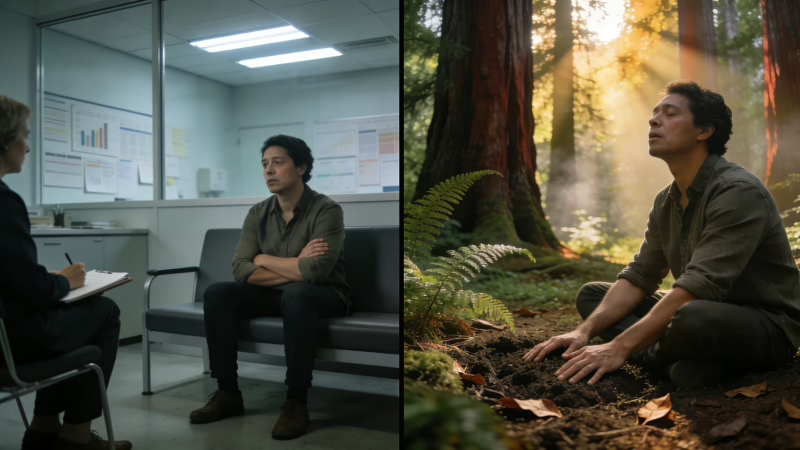
Mindfulness-based ecotherapy, or mindful ecotherapy, is a structured, evidence-informed therapeutic approach that integrates mindfulness practices with intentional engagement with the natural world to support psychological, emotional, and relational healing. At the Mindful Ecotherapy Center, mindfulness-based ecotherapy is used as a grounded, ethical, and clinically informed modality that helps clients reconnect with themselves, others, and the ecosystems they inhabit.

Mindful ecotherapy recognizes a simple but often ignored truth: human wellbeing is deeply intertwined with the wellbeing of the natural world. When people feel disconnected from nature, they often experience increased anxiety, depression, stress, and a sense of meaninglessness. When connection is restored through mindful awareness and ecological engagement, psychological flexibility, resilience, and emotional regulation tend to follow.

Defining Mindfulness-Based Ecotherapy

Mindful ecotherapy is the intentional use of experiences in nature combined with mindfulness practices to promote mental health and personal growth. It draws from multiple disciplines, including psychology, ecology, contemplative traditions, and environmental philosophy. Rather than treating nature as a passive backdrop, ecotherapy treats the natural environment as an active participant in the therapeutic process. Nature becomes the therapist.

Mindfulness within this framework means paying attention to present-moment experience with openness, curiosity, and compassion. When practiced outdoors or in relationship with natural elements, mindfulness helps you notice sensations, emotions, thoughts, and bodily responses as they arise in connection with the living world. This process often reveals patterns of avoidance, control, or disconnection that mirror challenges in everyday life.

How Mindfulness-Based Ecotherapy Works

At the Mindful Ecotherapy Center, mindfulness-based ecotherapy is applied through structured interventions that may include guided experiences in nature, mindfulness practices, reflective exercises, symbolic rituals, and experiential activities. These approaches are often informed by Acceptance and Commitment Therapy (ACT), Dialectical Behavior Therapy (DBT), Cognitive Behavioral Therapy (CBT), and solution-focused strategies.

For example, a client struggling with chronic anxiety may engage in a mindfulness-based ecotherapy exercise focused on sensory awareness during a slow, intentional walk outdoors. Rather than trying to eliminate anxious thoughts, the client learns to observe them while grounding attention in natural rhythms such as breath, wind, or birdsong. This reinforces psychological flexibility and reduces experiential avoidance.

Similarly, clients experiencing burnout or depression may use ecotherapy practices to reconnect with values related to care, stewardship, and belonging. Nature often provides metaphors for growth, impermanence, and resilience that feel more accessible than abstract cognitive reframing.

The Role of Connection and Relationship

One of the defining features of mindful ecotherapy is its emphasis on relationship. Traditional therapy often focuses exclusively on the person. Ecotherapy expands the frame to include relationships with others, with the land, with place, and with non-human life. This broader perspective can help reduce shame and self-blame by enabling people to see their struggles as part of larger systems rather than personal failures. It’s a method of focusing on relationships and solutions rather than on problems.

Mindfulness-based ecotherapy also supports nervous system regulation. Natural environments tend to promote parasympathetic activation, which supports rest, digestion, and emotional regulation. When mindfulness is layered onto these environments, clients often experience deeper grounding and an increased capacity to tolerate difficult emotions.

Ethical and Clinical Foundations

Mindful ecotherapy is practiced ethically and intentionally. At the Mindful Ecotherapy Center, it is not about forcing outdoor exposure or assuming nature is universally safe or accessible. Cultural context, physical ability, trauma history, and individual preference are central considerations.

Ecotherapy can take place in urban parks, backyards, gardens, or even through mindful engagement with natural elements indoors. The therapeutic value lies not in wilderness extremes but in cultivating awareness and relationship wherever one is.

Why Mindfulness-Based Ecotherapy Matters

In an era of ecological crisis, digital overload, and chronic stress, mindfulness-based ecotherapy offers a way to address both personal suffering and collective disconnection. It helps clients develop skills that extend beyond symptom reduction toward meaning-making, responsibility, and care for the wider world.

By integrating mindfulness with ecological awareness, this approach supports not only individual well-being but also a sense of belonging within the larger web of life. Clients often report increased clarity, emotional balance, and a renewed sense of purpose that aligns with both personal values and ecological responsibility.

Mindfulness-Based Ecotherapy at the Mindful Ecotherapy Center

The Mindful Ecotherapy Center approaches mindfulness-based ecotherapy as a clinically sound, adaptable, and deeply human practice. It honors the science of psychology while acknowledging the healing potential of mindful connection with nature. Whether used in therapy, education, or professional training, this approach invites people to slow down, pay attention, and rediscover their place in the living world.

In doing so, mindfulness-based ecotherapy offers something rare: healing that is both personal and planetary.


Share Your Thoughts on Mindfulness-Based Ecotherapy!

What do you think? Have you experienced the healing power of nature? Share your thoughts in the comments below! And don’t forget to subscribe to our newsletter!
Posted on

Dialectical Behavior Therapy: 6 Essential Reasons It Works

Dialectical Behavior Therapy

Dialectical Behavior Therapy (DBT) has earned a reputation as one of the most effective forms of therapy for managing intense emotions, self-destructive behaviors, and interpersonal challenges. Developed by Dr. Marsha Linehan in the late 1980s, DBT is a structured, evidence-based approach that combines cognitive-behavioral strategies with mindfulness practices. At the Mindful Ecotherapy Center, we integrate mindfulness-based ecotherapy techniques into DBT to enhance emotional regulation and promote deeper self-awareness. Here are six essential reasons why Dialectical Behavior Therapy works so effectively.

1. Mindfulness Is at the Core of Dialectical Behavior Therapy

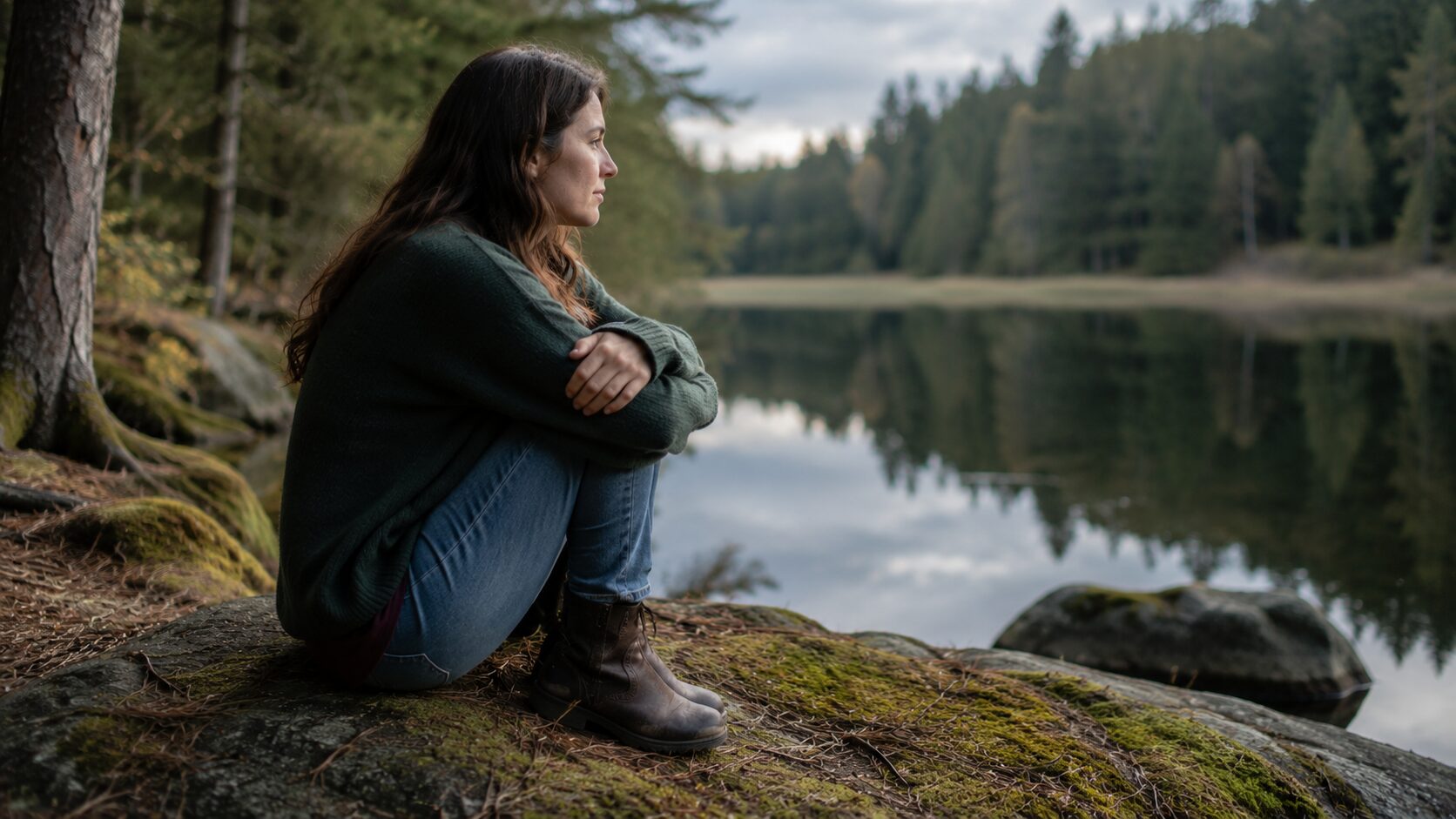
Dialectical Behavior Therapy (DBT) emphasizes mindfulness, the practice of paying deliberate attention to the present moment without judgment. By learning to observe thoughts and emotions without being overwhelmed by them, people can break cycles of reactivity that often lead to self-harm, anxiety, or relationship conflicts. In mindfulness-based ecotherapy, this practice is extended outdoors, connecting people with natural environments to enhance focus, reduce stress, and strengthen grounding. Nature becomes an ally in cultivating awareness, making DBT skills more accessible and tangible.

2. Skills Are Practical and Action-Oriented

Unlike traditional therapy that may focus primarily on insight, DBT equips you with practical skills for real-world situations. These skills are organized into four main modules: mindfulness, distress tolerance, emotional regulation, and interpersonal effectiveness. Patients learn to tolerate distress without resorting to harmful behaviors, manage intense emotions effectively, and communicate their needs assertively. Integrating these skills into daily life ensures that therapy is not just theoretical but transformative.

3. Validation and Acceptance Reduce Emotional Resistance

A hallmark of DBT is the balance between acceptance and change. Therapists validate clients’ experiences and emotions, acknowledging that their feelings are real and understandable. This validation reduces emotional resistance, fosters trust, and creates a safe therapeutic environment. Coupling this with nature-based experiences in ecotherapy allows clients to witness and accept the natural flow of life, enhancing the effectiveness of acceptance strategies in DBT.

Dialectical Behavior Therapy

4. Structured Approach Encourages Consistency

DBT follows a highly structured framework that includes individual therapy, skills training groups, phone coaching, and therapist consultation teams. This multi-layered approach provides consistent support and accountability, ensuring that clients have multiple avenues to practice and reinforce their skills. For those struggling with high-functioning anxiety or emotional dysregulation, the predictable structure of DBT can be profoundly stabilizing.

5. Focus on Building Emotional Resilience

DBT equips practitioners with tools to withstand life’s challenges. By learning to regulate emotions, tolerate distress, and navigate interpersonal dynamics, clients develop resilience that supports long-term well-being. Integrating ecotherapy amplifies this effect, as time in nature naturally reduces stress hormones, improves mood, and strengthens adaptive coping mechanisms. The combination of DBT and mindfulness-based ecotherapy creates a holistic pathway to emotional resilience.

6. Evidence-Based Success Across Diverse Populations

Research has repeatedly shown DBT’s effectiveness for people with borderline personality disorder, depression, anxiety, post-traumatic stress, and self-harming behaviors. Its adaptability makes it effective for a wide range of clients, including those who may not respond to traditional talk therapy. When combined with ecotherapy principles, DBT can be tailored to each person’s needs, providing individualized support that addresses both psychological and environmental factors.

Dialectical Behavior Therapy works because it blends mindfulness, practical skills, validation, structured support, emotional resilience, and evidence-based practices into a cohesive therapeutic model. At the Mindful Ecotherapy Center, we enhance DBT by integrating ecotherapy experiences, helping clients connect with both themselves and the natural world. This integration deepens mindfulness, strengthens coping skills, and supports long-term emotional well-being.

DBT is a roadmap for living with awareness, acceptance, and adaptability. By combining its proven techniques with the grounding benefits of nature, you too can find relief from emotional turbulence and discover a sense of calm, connection, and clarity.


Share Your Thoughts on Dialectical Behavior Therapy!

What do you think? Share your thoughts in the comments below! And don’t forget to subscribe to our newsletter!