Table of Contents
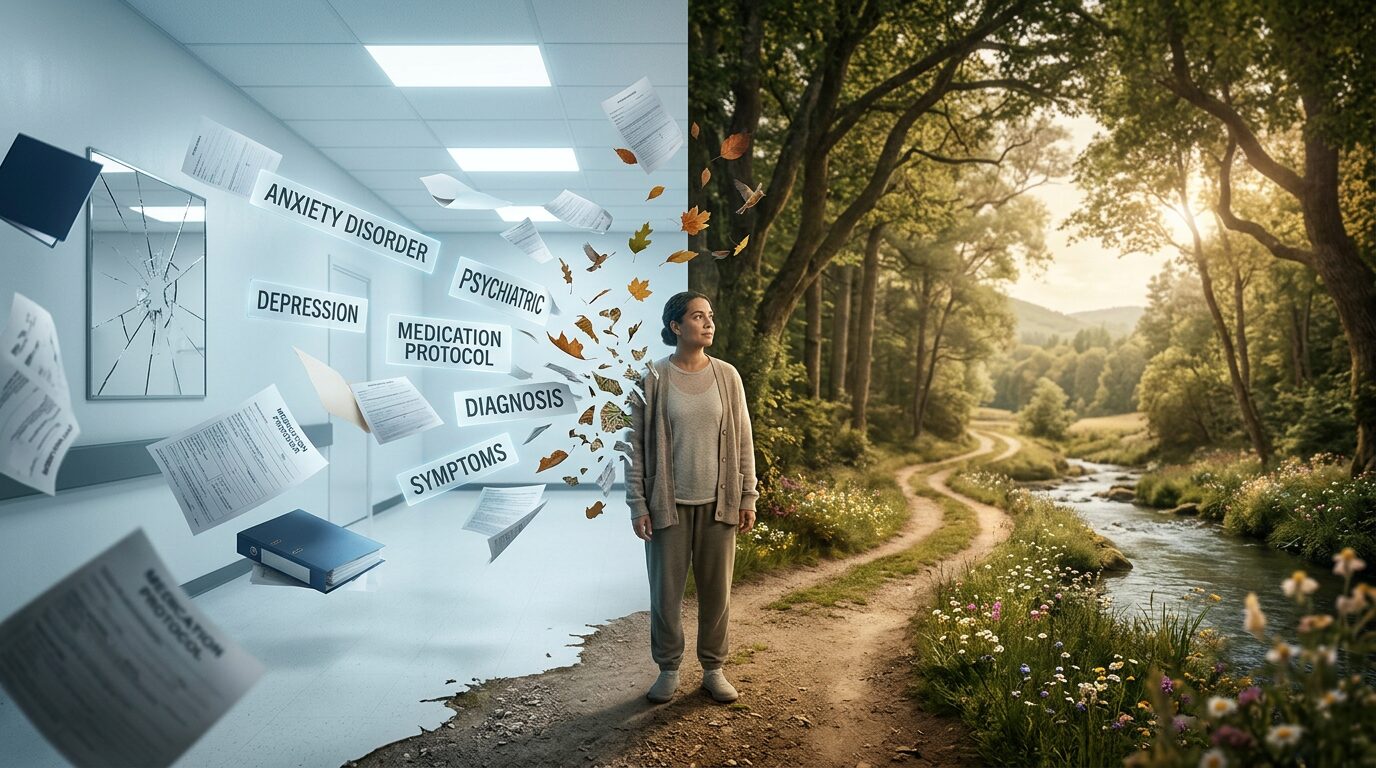
In modern mental health care, diagnosis plays a powerful and often controversial role in how emotional suffering is understood and treated. For some people, receiving an assessment can feel like a profound relief, offering clarity and validation after years of confusion, shame, or self-blame. For others, diagnostic labels can feel limiting, stigmatizing, or overly simplistic, reducing the complexity of human experience into a clinical category. The debate surrounding diagnosis reflects a larger question about healing itself: are human beings best understood through symptom-based labels, or through a more holistic understanding that includes environment, relationships, trauma history, spirituality, culture, and connection to the natural world? From a mindful ecotherapy perspective, diagnosis can be both helpful and harmful depending on how it is used.
The Benefits of Diagnostic Evaluation

Diagnosis is intended to identify patterns of symptoms and behaviors that help mental health professionals communicate, guide treatment, and provide access to care. For many individuals, receiving an evaluation can be life-changing in a positive way. Someone struggling with anxiety, depression, ADHD, PTSD, or another mental health condition may finally realize that their experiences are shared by others and are not signs of personal failure. Diagnosis can replace shame with understanding and provide a framework for healing. It can also guide treatment by helping clinicians choose therapeutic approaches, mindfulness practices, medication options, and support systems tailored to the individual’s needs. In many cases, diagnosis is necessary for accessing insurance coverage, accommodations, disability support, educational services, or workplace protections. Without diagnosis, some people would not receive the help or recognition they need. Another important benefit of diagnosis is the sense of community it can create. Many people feel less isolated when they discover support groups or online communities made up of individuals with similar experiences. Feeling understood and emotionally validated can be deeply healing.
The Risks of Diagnostic Evaluation
Despite these benefits, symptom analysis also carries significant risks. One of the greatest dangers is that diagnosis can become identity. Instead of viewing diagnosis as one aspect of experience, people may begin to define themselves entirely through a clinical label. When this happens, growth and self-perception can become restricted. You are not your diagnosis. You are a complex human being shaped by experiences, relationships, strengths, dreams, wounds, and environmental influences that extend far beyond any psychological category. Diagnostic labels can also contribute to stigma. Despite increasing awareness around mental health, many diagnoses still carry social judgment and misunderstanding. People may fear being viewed as unstable, weak, dangerous, or incapable, which can discourage them from seeking help or openly discussing their struggles.
When Diagnosis Oversimplifies Human Experience
Another concern is that diagnosis can oversimplify human suffering. From a mindful ecotherapy perspective, emotional distress is often connected to broader ecological and social conditions that are frequently overlooked in conventional models of care. Chronic anxiety may be intensified by digital overload, overstimulation, financial stress, and disconnection from restorative natural environments. Depression may emerge not only from internal biology, but from isolation, loss of meaning, loneliness, and alienation from community and nature. Attention difficulties may reflect nervous system exhaustion within a culture that demands constant productivity and nonstop stimulation. In these cases, professional evaluation may describe symptoms without fully addressing the environmental conditions contributing to them.
The Problem of Misdiagnosis
Misdiagnosis can also create harm. Mental health symptoms often overlap, and trauma, grief, chronic stress, sleep deprivation, neurodiversity, and medical conditions can sometimes resemble psychiatric disorders. An inaccurate mental health assessment may lead to ineffective treatment, unnecessary medication, or emotional confusion. This is why thoughtful, compassionate assessment matters.
A Mindful Ecotherapy Perspective on Healing
Mindful ecotherapy offers a broader lens for understanding diagnosis and healing. Rather than asking only, “What disorder does this person have?” mindful ecotherapy also asks: What has this person experienced? What environments are shaping their nervous system? How connected are they to nature, meaning, embodiment, and supportive relationships? Nature-based mindfulness practices can help people reconnect with themselves beyond labels. Walking quietly through forests, sitting beside rivers, gardening, observing wildlife, and practicing mindful breathing outdoors can calm the nervous system and restore a sense of perspective. Nature reminds you that healing is not about fitting perfectly into categories. In the natural world, change, adaptation, struggle, and renewal are normal parts of existence.
Finding a Balanced Perspective
A balanced perspective on the interpretation of symptoms recognizes that it can be useful without becoming absolute. Diagnosis can provide validation, treatment direction, and access to care while still acknowledging the complexity of human experience. Healing often involves much more than symptom reduction. It includes reconnecting with the body, restoring emotional safety, cultivating mindfulness, building meaningful relationships, and rediscovering connection with the living world. From a mindful ecotherapy perspective, diagnosis should support empowerment rather than limitation. It should be used as a compassionate tool for understanding, not as a rigid definition of identity.
Ultimately, a psychological evaluation may describe part of your experience, but it does not define the entirety of who you are. Human beings are more than symptoms or categories. True healing often emerges through connection, awareness, compassion, and restoration of balance within both the self and the natural world.
Share Your Thoughts About Diagnosis and Mental Health!
What do you think? Share your thoughts in the comments below!
And don’t forget to subscribe to our newsletter!