
Posted on Leave a comment

Is Depression Being Overmedicalized in Today’s Mental Health System?

overmedicalized

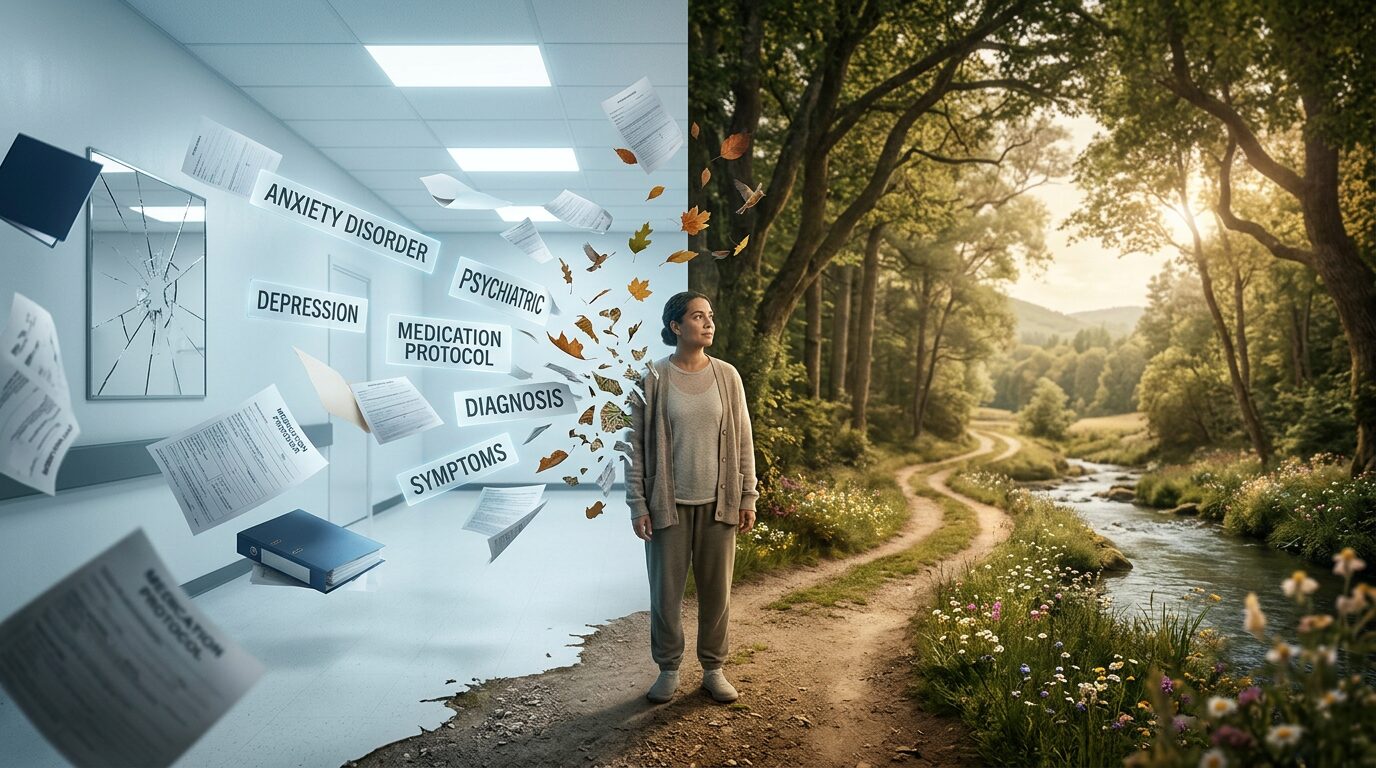
Depression is one of the most widely discussed mental health conditions in the world today, yet it is also one of the most misunderstood. As diagnosis rates rise and prescriptions for antidepressants continue to increase, many clinicians, researchers, and clients are beginning to ask a difficult question: Is depression being overmedicalized in today’s mental health system?

From the perspective of Mindfulness-Based Ecotherapy (MBE), this question is not about rejecting medical treatment, but about widening the lens through which we understand human suffering. When depression is viewed only as a biochemical imbalance, we risk missing the emotional, relational, environmental, and existential dimensions that contribute to it.

For more information about our work, visit the Mindful Ecotherapy Center at: https://www.mindfulecotherapycenter.com

What Does “Overmedicalized” Mean?

The term overmedicalized refers to the tendency to define human emotional and psychological experiences primarily as medical conditions requiring pharmaceutical or clinical intervention.

In the context of depression, this can look like:

  • Rapid diagnosis based primarily on symptom checklists
  • Immediate prescription of antidepressant medications
  • Limited exploration of life circumstances, trauma, or environmental stressors
  • Reduced emphasis on meaning, relationships, and lifestyle factors

While medical intervention is essential in many cases, overmedicalization occurs when the medical model becomes the only lens used to understand distress.

The Role of the Medical Model in Depression

It is important to acknowledge that the medical model has contributed significantly to mental health care:

  • It has reduced stigma by framing depression as a legitimate health condition
  • It has made effective medications available for many people
  • It has standardized diagnostic criteria for clinicians

However, the limitation arises when depression is treated solely as a biological malfunction.

Depression is often multi-layered. It may include:

  • Neurochemical factors
  • Trauma history
  • Chronic stress
  • Grief and loss
  • Social isolation
  • Disconnection from nature or purpose

When these layers are ignored, treatment can feel incomplete or ineffective for many people. It’s important to remember that medication is symptom management. It doesn’t treat the issues that led to the depression in the first place. While every situation is different, research continues to demonstrate that the best treatment often involves a combination of medication to manage symptoms and behavioral therapy to learn coping skills.

Why the Question of Overmedicalization Matters

The concern about whether depression is being overmedicalized has real consequences:

overmedicalized
  • People may feel reduced to a diagnosis rather than a whole person
  • Coping strategies beyond medication may be underutilized
  • Root causes of distress may remain unaddressed
  • People may become dependent on medication without parallel therapeutic or lifestyle support

This does not mean medication is “wrong.” Rather, it highlights the importance of balance in treatment approaches.

Mindfulness-Based Ecotherapy as a Broader Framework

Mindfulness-Based Ecotherapy (MBE) offers an integrative perspective that expands beyond the purely medical model. MBE combines mindfulness practices with ecotherapy principles, emphasizing the healing relationship between humans and the natural world.

Instead of asking only, “What is wrong biologically?” MBE also asks:

  • What is this experience teaching you about your life?
  • How are your environment and relationships influencing your emotional state?
  • Where are you disconnected from nature, meaning, or self-awareness?
  • How can mindful awareness support emotional regulation and insight?

This approach does not reject medical treatment but complements it by addressing the whole person.

Reframing Depression: From Disorder to Signal

One of the most important shifts in reducing overmedicalized thinking is reframing depression not only as a disorder, but also as a signal.

From an MBE perspective, depressive symptoms may sometimes indicate:

  • A need for rest or withdrawal from overstimulation
  • Unprocessed grief or trauma
  • Misalignment between values and lifestyle
  • Lack of connection with nature or community
  • Chronic stress without adequate recovery

This reframing allows people to explore meaning alongside symptoms, rather than focusing exclusively on symptom elimination.

A Balanced Approach to Care

Clinical guidelines, including those from the American Psychological Association (APA) and the UK’s National Institute for Health and Care Excellence (NICE), recommend offering psychotherapy as a first-line treatment for mild to moderate depression, reserving medication for severe cases or when therapy alone is insufficient. A more balanced mental health system does not eliminate the need for medical treatment. A thorough assessment integrates it within a broader framework. An ideal approach to depression may include:

  • Medication when clinically appropriate
  • Psychotherapy to address cognition, emotion, and trauma
  • Mindfulness practices to build awareness and emotional regulation
  • Ecotherapy and nature-based interventions to restore grounding and connection
  • Lifestyle changes that support sleep, movement, and social support

This integrated model helps prevent depression from being reduced to a single cause or solution.

The question of whether depression is being overmedicalized is ultimately a question about how we understand human suffering. While the medical model has brought tremendous advances in treatment, it is not sufficient on its own to capture the full complexity of depression.

Mindfulness-Based Ecotherapy offers a complementary perspective that recognizes the biological, psychological, social, and ecological dimensions of mental health. By expanding our understanding beyond diagnosis alone, we open the door to more compassionate, individualized, and holistic care and avoid overmedicalized care.

Depression is not just a set of symptoms to eliminate. It is also a human experience to understand. And in that understanding, healing often becomes more complete.


Share Your Thoughts on Overmedicalized Treatment!

What do you think? Share your thoughts in the comments below!


  And don’t forget to subscribe to our newsletter!

Posted on Leave a comment

Are Diagnosis Labels Helpful or Harmful to Human Healing?

diagnosis diagnostic

In modern mental health care, diagnosis plays a powerful and often controversial role in how emotional suffering is understood and treated. For some people, receiving an assessment can feel like a profound relief, offering clarity and validation after years of confusion, shame, or self-blame. For others, diagnostic labels can feel limiting, stigmatizing, or overly simplistic, reducing the complexity of human experience into a clinical category. The debate surrounding diagnosis reflects a larger question about healing itself: are human beings best understood through symptom-based labels, or through a more holistic understanding that includes environment, relationships, trauma history, spirituality, culture, and connection to the natural world? From a mindful ecotherapy perspective, diagnosis can be both helpful and harmful depending on how it is used.

The Benefits of Diagnostic Evaluation

diagnosis

Diagnosis is intended to identify patterns of symptoms and behaviors that help mental health professionals communicate, guide treatment, and provide access to care. For many individuals, receiving an evaluation can be life-changing in a positive way. Someone struggling with anxiety, depression, ADHD, PTSD, or another mental health condition may finally realize that their experiences are shared by others and are not signs of personal failure. Diagnosis can replace shame with understanding and provide a framework for healing. It can also guide treatment by helping clinicians choose therapeutic approaches, mindfulness practices, medication options, and support systems tailored to the individual’s needs. In many cases, diagnosis is necessary for accessing insurance coverage, accommodations, disability support, educational services, or workplace protections. Without diagnosis, some people would not receive the help or recognition they need. Another important benefit of diagnosis is the sense of community it can create. Many people feel less isolated when they discover support groups or online communities made up of individuals with similar experiences. Feeling understood and emotionally validated can be deeply healing.

The Risks of Diagnostic Evaluation

Despite these benefits, symptom analysis also carries significant risks. One of the greatest dangers is that diagnosis can become identity. Instead of viewing diagnosis as one aspect of experience, people may begin to define themselves entirely through a clinical label. When this happens, growth and self-perception can become restricted. You are not your diagnosis. You are a complex human being shaped by experiences, relationships, strengths, dreams, wounds, and environmental influences that extend far beyond any psychological category. Diagnostic labels can also contribute to stigma. Despite increasing awareness around mental health, many diagnoses still carry social judgment and misunderstanding. People may fear being viewed as unstable, weak, dangerous, or incapable, which can discourage them from seeking help or openly discussing their struggles.

When Diagnosis Oversimplifies Human Experience

Another concern is that diagnosis can oversimplify human suffering. From a mindful ecotherapy perspective, emotional distress is often connected to broader ecological and social conditions that are frequently overlooked in conventional models of care. Chronic anxiety may be intensified by digital overload, overstimulation, financial stress, and disconnection from restorative natural environments. Depression may emerge not only from internal biology, but from isolation, loss of meaning, loneliness, and alienation from community and nature. Attention difficulties may reflect nervous system exhaustion within a culture that demands constant productivity and nonstop stimulation. In these cases, professional evaluation may describe symptoms without fully addressing the environmental conditions contributing to them.

The Problem of Misdiagnosis

Misdiagnosis can also create harm. Mental health symptoms often overlap, and trauma, grief, chronic stress, sleep deprivation, neurodiversity, and medical conditions can sometimes resemble psychiatric disorders. An inaccurate mental health assessment may lead to ineffective treatment, unnecessary medication, or emotional confusion. This is why thoughtful, compassionate assessment matters.

A Mindful Ecotherapy Perspective on Healing

Mindful ecotherapy offers a broader lens for understanding diagnosis and healing. Rather than asking only, “What disorder does this person have?” mindful ecotherapy also asks: What has this person experienced? What environments are shaping their nervous system? How connected are they to nature, meaning, embodiment, and supportive relationships? Nature-based mindfulness practices can help people reconnect with themselves beyond labels. Walking quietly through forests, sitting beside rivers, gardening, observing wildlife, and practicing mindful breathing outdoors can calm the nervous system and restore a sense of perspective. Nature reminds you that healing is not about fitting perfectly into categories. In the natural world, change, adaptation, struggle, and renewal are normal parts of existence.

Finding a Balanced Perspective

A balanced perspective on the interpretation of symptoms recognizes that it can be useful without becoming absolute. Diagnosis can provide validation, treatment direction, and access to care while still acknowledging the complexity of human experience. Healing often involves much more than symptom reduction. It includes reconnecting with the body, restoring emotional safety, cultivating mindfulness, building meaningful relationships, and rediscovering connection with the living world. From a mindful ecotherapy perspective, diagnosis should support empowerment rather than limitation. It should be used as a compassionate tool for understanding, not as a rigid definition of identity.

Ultimately, a psychological evaluation may describe part of your experience, but it does not define the entirety of who you are. Human beings are more than symptoms or categories. True healing often emerges through connection, awareness, compassion, and restoration of balance within both the self and the natural world.


Share Your Thoughts About Diagnosis and Mental Health!

What do you think? Share your thoughts in the comments below!


  And don’t forget to subscribe to our newsletter!

Posted on Leave a comment

Is ADHD Being Overdiagnosed in Modern Life? A Mindful Ecotherapy Perspective

ADHD Overdiagnosis

ADHD overdiagnosis is a hot topic in mental health these days, but is it really a thing? Attention-Deficit/Hyperactivity Disorder (ADHD) has become one of the most widely discussed neurodevelopmental conditions in modern mental health conversations. As awareness has grown, so too have diagnosis rates, leading many clinicians, educators, and families to ask an important question: Is ADHD overdiagnosis becoming a feature of modern life, or are we finally getting better at recognizing what was previously missed?

From a mindful ecotherapy perspective, the answer is not simple. It involves balancing legitimate clinical recognition with cultural, environmental, and lifestyle factors that may be shaping how attention and behavior are interpreted today.

Understanding ADHD Overdiagnosis in Context

ADHD is typically characterized by patterns of inattention, hyperactivity, and impulsivity that interfere with functioning or development. However, these behaviors exist on a spectrum in all human beings. The challenge begins when normal variations in attention and energy are interpreted through a medical lens without sufficient context.

Modern life complicates this picture. You live in an environment saturated with constant stimulation like phones, notifications, multitasking demands, and reduced exposure to restorative natural settings. From a neuroecological standpoint, it becomes harder to distinguish between a clinical disorder and a nervous system overwhelmed by chronic overstimulation.

The Case for ADHD Overdiagnosis

Those who argue that ADHD overdiagnosis is occurring point to several trends:

1. Expanded diagnostic criteria and awareness

Greater awareness has made ADHD more recognizable in children and adults who were previously undiagnosed. However, broader awareness can sometimes lead to over-attribution of symptoms, especially when normal developmental behaviors are pathologized.

2. Educational and performance pressures

In school and workplace environments that demand constant focus and productivity, individuals who struggle with these expectations may be quickly labeled. In some cases, diagnosis becomes a pathway to accommodations rather than a full exploration of environmental mismatch.

3. Pharmaceutical influence and treatment pathways

Critics also note that medication is often presented early in the diagnostic process. While medication can be life-changing for many, it may also contribute to a tendency to diagnose rather than first explore lifestyle, trauma, sleep, diet, and ecological stressors.

4. Overlapping symptoms with modern stress

Anxiety, trauma responses, sleep deprivation, and digital overload can mimic ADHD symptoms. Without careful differential assessment, these conditions may be misclassified.

The Case Against Overdiagnosis Claims

At the same time, it is important not to dismiss ADHD as merely a modern misinterpretation of attention struggles.

1. Underdiagnosis still exists

Many people were historically overlooked. What looks like an increase in diagnosis may partly reflect the correction of past underdiagnosis as awareness and education on symptoms and diagnosis increased.

2. ADHD is neurodevelopmental and persistent

For many people, ADHD symptoms are consistent across environments and life stages, suggesting a stable neurological pattern rather than situational stress alone.

3. Improved diagnostic tools and awareness

Clinicians today are better trained to identify ADHD across diverse populations, including those without hyperactivity but with significant internal attention difficulties.

A Mindful Ecotherapy Perspective

Mindful ecotherapy offers a different lens: rather than asking only “Is this ADHD or not?”, it asks, “What is this nervous system responding to?”

From this perspective, attention is an ecological interaction between the human mind and its environment.

Nature deprivation and attention fatigue

Research increasingly suggests that time in natural environments restores attention and reduces cognitive fatigue. When individuals are deprived of these restorative environments, symptoms resembling ADHD can intensify.

Nervous system regulation

Mindful ecotherapy emphasizes grounding practices in nature to regulate the nervous system. This includes forest bathing, sensory awareness in outdoor settings, and rhythmic movement in natural spaces, all of which support attention stability.

Trauma and adaptive attention patterns

What appears as inattention may sometimes be a protective response to past overwhelm. The mind learns to scan, shift, or disconnect as a survival adaptation. Ecotherapy helps gently reestablish safety in the present moment.

Finding Balance: Diagnosis and Environment

The most responsible approach to ADHD overdiagnosis concerns is not rejection of the diagnosis, but integration. ADHD can be real and valid while also being influenced by environmental and cultural conditions.

A balanced perspective includes:

  • Careful clinical assessment
  • Consideration of trauma and stress history
  • Evaluation of sleep, diet, and digital exposure
  • Inclusion of nature-based and mindfulness interventions
  • Recognition that attention is shaped by the environment, not just biology

The question of ADHD overdiagnosis reflects a deeper cultural tension: how do we distinguish between neurological difference and environmental overload in a world that rarely allows stillness?

From a mindful ecotherapy perspective, healing begins not only in diagnosis or medication, but in restoring the human relationship with nature, rhythm, and presence. When attention is supported by ecological balance, many symptoms can be understood with greater clarity and compassion.

ADHD Differential Diagnosis Course

We offer an ADHD differential diagnosis course that looks at some of the more common misdiagnoses of ADHD. You can learn more here.


Mindful Ecotherapy Center on YouTube

Subscribe to the Mindful Ecotherapy Center’s YouTube channel to bring peace, presence, and healing into your daily life. Our videos guide you through mindfulness-based ecotherapy practices, including forest bathing, tree planting rituals, nature meditations, and reflective exercises for grief, stress, and emotional well-being.

Whether you’re seeking to reconnect with the natural world, cultivate inner calm, or find restorative tools for personal growth, our content offers practical guidance, inspiration, and community support. Join us to explore the transformative power of nature and mindfulness, and start your journey toward balance, resilience, and deeper connection today!


Share Your Thoughts!

What do you think? Share your thoughts in the comments below! And don’t forget to subscribe to our newsletter!


Posted on

America’s “Incel” Problem and How Mindfulness-Based Ecotherapy Can Help

incel problem

Across the United States, there has been growing concern about social isolation among young men and the rise of what is commonly referred to as the “incel” (involuntary celibate) subculture. While the term has been sensationalized in media and internet discourse, it often reflects a deeper human struggle: loneliness, disconnection, rejection, and a lack of healthy emotional tools for processing pain.

Rather than framing this issue as a fixed identity or a hopeless condition, it is more useful and more humane to view it as a signal of unmet psychological, social, and ecological needs. This is where mindfulness-based ecotherapy can offer meaningful pathways toward healing and reconnection.

Understanding the Roots of Isolation and Disconnection

Many young men who become immersed in online “incel” communities are not initially driven by ideology, but by emotional pain. Repeated experiences of rejection, difficulty forming relationships, low self-esteem, and social anxiety can create a feedback loop of withdrawal.

Over time, digital spaces may replace real-world interaction, reinforcing distorted beliefs about oneself and others. In this context, the internet can amplify resentment and hopelessness, especially when there are few offline supports available. It doesn’t help that America’s current political and cultural zeitgeist frames cruelty and bullying as signs of ‘alpha male’ strength instead of what it truly is: fear and pain masquerading as dominance.

It is important to understand that isolation is not just a personal issue. It is also environmental and cultural. Modern life often reduces opportunities for community bonding, shared ritual, time in nature, and intergenerational mentorship. The mentors young men seek out often turn out to be podcasters and influencers who have a hidden agenda. This can have a long-lasting impact on the socialization of our young men.

The Nervous System, Stress, and Emotional Survival

When someone experiences prolonged social rejection or loneliness, the nervous system adapts to stress. Hypervigilance, distrust, emotional numbing, and anger can become protective responses. These responses are not moral failures. They are survival adaptations.

However, without intervention, these patterns can become rigid. The longer they go uncorrected, the more permanent and difficult to change they become. The young male may begin interpreting the world through a narrow emotional lens shaped by pain rather than possibility. In extreme cases, it can become a way to avoid personal responsibility by blaming society, or politicians, or even women for the alleged victim’s own failures.

Mindfulness-based practices help interrupt this cycle by restoring awareness of the present moment and softening automatic reactive patterns.

What Mindfulness-Based Ecotherapy Offers

Mindfulness-based ecotherapy integrates traditional mindfulness practices with nature-based therapeutic approaches. Instead of treating healing as something that happens only in a clinical setting, it recognizes the natural world as a co-therapist.

When young men engage with forests, rivers, soil, plants, and seasonal cycles, something important happens neurologically and emotionally: the nervous system begins to regulate more naturally.

Nature does not demand performance, status, or social comparison. It offers presence, rhythm, and nonjudgmental awareness.

In this context, individuals struggling with deep loneliness can begin to experience:

  • A reduction in rumination and obsessive thought cycles
  • Increased emotional regulation through grounding in sensory experience
  • A sense of belonging to something larger than themselves
  • Reconnection to embodied presence rather than digital identity

Rebuilding Connection Through Embodied Experience

One of the core challenges in chronic isolation is disembodiment. In disembodiment, the person ends up living primarily in thought, fantasy, or online interaction with the incel community rather than in direct sensory engagement with the real world.

Ecotherapy practices such as walking meditations in natural settings, gardening, forest bathing, and mindful observation of ecological systems help restore this embodied awareness and reduce incel tendencies.

These experiences also gently reintroduce relational safety. For young men who feel disconnected from people, nature provides a transitional relational field that is consistent, nonjudgmental, and stabilizing.

Over time, this can make human connection feel less threatening and more accessible.

Incel: From Alienation to Integration

Healing does not mean forcing social conformity or suppressing emotional pain. Instead, it involves integration by learning to hold difficult emotions without being controlled by them. This is ultimately the path away from incel culture, incel thoughts, and behaviors.

Mindfulness-based ecotherapy supports this process by encouraging young men to observe thoughts and feelings as temporary phenomena, much like weather patterns in nature. Anger, sadness, shame, and grief can be witnessed rather than acted upon impulsively or internalized destructively. This eliminates the need for incel ideology and returns personal responsibility to its rightful place.

This shift away from incel culture creates psychological space. And within that space, new choices become possible.

A Path Toward Reconnection

Addressing America’s broader challenges of loneliness and disconnection requires more than online discourse or ideological debates. It requires grounded, embodied practices that rebuild the human capacity for presence, empathy, and relational trust. This embodied presence in nature is the quickest way out of the incel mindset.

Mindfulness-based ecotherapy offers one such pathway. It does not erase pain, but it helps transform isolation into awareness, and awareness into connection. Over time, connections established in this way can help reduce or eliminate emotional pain. Even if it does not totally eliminate the reliance on incel thinking, it can still help young men to recognize such thoughts as just thoughts, and not reality.

Over time, young men who once felt disconnected may begin to rediscover not only their relationship with nature but also their capacity for healthy human relationships. And that reduces or eliminates the incel mindset.


Mindful Ecotherapy Center on YouTube

Subscribe to the Mindful Ecotherapy Center’s YouTube channel to bring peace, presence, and healing into your daily life. Our videos guide you through mindfulness-based ecotherapy practices, including forest bathing, tree planting rituals, nature meditations, and reflective exercises for grief, stress, and emotional well-being.

Whether you’re seeking to reconnect with the natural world, cultivate inner calm, or find restorative tools for personal growth, our content offers practical guidance, inspiration, and community support. Join us to explore the transformative power of nature and mindfulness, and start your journey toward balance, resilience, and deeper connection today!


Share Your Thoughts!

What do you think? Share your thoughts in the comments below! And don’t forget to subscribe to our newsletter!

Posted on

Now Accepting Medicare Advantage!

Medicare Advantage

The Mindful Ecotherapy Center is now accepting clients covered by Medicare Advantage plans through Regence BlueShield of Washington in the state of Washington. This expansion makes our integrative, nature-based, and mindfulness-focused therapeutic services more accessible to a wider range of individuals seeking support for mental health and emotional well-being.

Expanding Access to Mindful Ecotherapy

For many adults navigating mental health challenges, insurance coverage can be a significant barrier to receiving consistent, high-quality care. By now accepting Medicare Advantage, Charlton Hall ensures that seniors and other Medicare-eligible clients can access ecotherapy, mindfulness practices, and individualized mental health support without worrying about coverage limitations. This development reflects our ongoing commitment to making evidence-based, nature-centered therapy accessible, sustainable, and practical for diverse communities.

Medicare Advantage plans, sometimes referred to as Part C, are an alternative to Original Medicare (Part A and Part B) that often offer additional benefits, including coverage for mental health services. By confirming sessions for Regence BlueShield of Washington Medicare Advantage clients through Headway, the process of scheduling, billing, and claim submission is streamlined, ensuring that clients receive seamless support while therapists are reimbursed efficiently.

What This Means for Clients

If you are a Medicare Advantage client in Washington covered by Regence BlueShield, you can now easily schedule therapy with Charlton Hall, MMFT, PhD, through the Headway platform. Once your coverage is verified and the claim is submitted, you can attend sessions without the administrative hassle of navigating complex insurance procedures on your own.

Our approach at the Mindful Ecotherapy Center blends traditional therapeutic modalities with ecotherapy practices, including guided mindfulness exercises, nature-based interventions, and somatic awareness techniques. These practices have been shown to improve emotional regulation, reduce stress, and enhance overall well-being, making them an ideal complement to the support offered under Medicare Advantage plans.

How Billing and Claims Work

To make the process as straightforward as possible for clients, Headway coordinates directly with Regence BlueShield of Washington. Once Charlton Hall is fully integrated into their systems, claims are submitted automatically, and payment is handled on your behalf. This integration ensures transparency, minimizes delays, and allows clients to focus fully on their therapeutic work.

Clients can also review session rates and coverage details through their Headway account, providing clarity and avoiding unexpected charges. By simplifying administrative processes, we prioritize the client experience and make therapy accessible without unnecessary stress.

Why Choose Mindful Ecotherapy

Mindful ecotherapy is an evidence-informed approach that integrates principles of mindfulness, psychology, and connection with the natural world. Sessions with Charlton Hall focus on fostering self-awareness, emotional resilience, and adaptive coping strategies in real-world contexts. Incorporating ecotherapy principles, clients are encouraged to engage with natural environments like gardens, forests, or other outdoor spaces to enhance their therapeutic experience and build sustainable mental wellness practices.

Accepting Medicare Advantage ensures that more individuals can experience these benefits without being limited by coverage restrictions. Seniors and other Medicare-eligible clients now have access to specialized, trauma-informed, and ecologically grounded therapy in Washington state.

How to Get Started

Scheduling your first session is simple: visit the Mindful Ecotherapy Center website or the Headway platform to confirm your eligibility, check coverage, and book a session with Charlton Hall. Our team is available to answer questions and provide guidance on the enrollment process for Regence BlueShield of Washington Medicare Advantage clients.

By expanding coverage options, the Mindful Ecotherapy Center reinforces its mission to make mental health care inclusive, flexible, and deeply restorative. With the addition of Medicare Advantage coverage, Charlton Hall continues to provide high-quality, accessible therapy for individuals seeking mindful, nature-centered support.

Take the first step toward emotional well-being and explore how mindful ecotherapy can enhance your life today.


Posted on

Conversion Therapy Case to be Heard by SCOTUS

conversion therapy

The U.S. Supreme Court is poised to hear a landmark case regarding the legality of conversion therapy bans. Conversion therapy, also known as “reparative therapy,” has been widely condemned by medical and psychological experts for being harmful and ineffective. As the nation grapples with the future of these controversial practices, it is crucial to examine the ethics surrounding therapy and why ethical treatment should always be evidence-based. Conversion therapy is not only scientifically unsupported but is also considered unethical by many professional organizations. Therapists and counselors who continue to practice it should be held accountable and stripped of their licenses.

What is Conversion Therapy?

Conversion therapy is a set of practices aimed at changing an individual’s sexual orientation or gender identity. It typically targets LGBTQ+ individuals, particularly those who identify as gay or bisexual, with the goal of altering their sexual preferences. These practices can include a range of harmful methods, such as verbal abuse, shock therapy, or other aversive techniques, all in an attempt to force individuals to align with heteronormative ideals.

Despite decades of research showing that sexual orientation and gender identity are inherent aspects of who a person is, some therapists and counselors still promote conversion therapy. This is despite the overwhelming rejection of these methods by leading medical and psychological organizations, including the American Psychological Association (APA) and the American Medical Association (AMA).

Ethical Treatment: Evidence-Based Practices

Ethical counseling and psychotherapy are rooted in the principle of evidence-based treatment. This means that the methods used by therapists and counselors are scientifically supported and have been shown to be effective through rigorous research and clinical studies. Evidence-based treatments ensure that clients are receiving the highest standard of care, tailored to their specific needs and goals.

Psychotherapies such as Cognitive Behavioral Therapy (CBT), Dialectical Behavioral Therapy (DBT), and other recognized forms of treatment have been proven to support individuals dealing with mental health challenges in an ethical and effective manner. These treatments are grounded in the understanding of human psychology and are consistently updated based on new findings from empirical research.

In contrast, conversion therapy lacks scientific support and has been widely denounced by experts as not only ineffective but also harmful. Studies have shown that individuals subjected to conversion therapy are at a significantly higher risk of developing depression, anxiety, suicidal ideation, and other long-term mental health issues. The process of attempting to “change” a person’s sexual orientation or gender identity is rooted in the false belief that being LGBTQ+ is a disorder or something to be “fixed.”

The Ethics of Therapy: Conversion Therapy Is Unethical

The ethical principle of do no harm is a cornerstone of any therapeutic practice. When therapists or counselors practice conversion therapy, they violate this fundamental tenet. These practices harm clients by promoting a false, discriminatory view of human sexuality and gender, often leading to emotional and psychological trauma.

Conversion therapy is unethical not only because it lacks evidence but also because it undermines the dignity and humanity of LGBTQ+ individuals. Instead of supporting clients in their journey of self-acceptance and identity, conversion therapy attempts to force them to conform to a societal norm that doesn’t align with their authentic selves. This can cause deep feelings of shame, isolation, and worthlessness, which only exacerbate mental health struggles.

Professional organizations such as the APA, the AMA, and the National Association of Social Workers (NASW) have all made strong public statements denouncing conversion therapy. They assert that therapy should be based on respect for a person’s identity and should aim to help individuals embrace who they truly are rather than change them.

Consequences for Counselors Practicing Conversion Therapy

Any counselor or therapist who continues to practice conversion therapy, knowing its harmful effects and lack of scientific support, is engaging in unethical behavior. Such practices not only violate the core ethical principles of psychotherapy but also put clients at great risk. These therapists should face accountability for their actions, which could include the revocation of their professional license.

Licensed professionals have a duty to adhere to ethical guidelines, ensuring that their practices are based on evidence and lead to positive outcomes for their clients. Engaging in harmful, unproven, and unethical practices like conversion therapy should result in professional consequences, including the loss of their license to practice.

Why the Supreme Court Case Matters

The upcoming case before the U.S. Supreme Court will determine whether states have the right to ban conversion therapy. If the Supreme Court upholds these bans, it will send a clear message that conversion therapy has no place in ethical counseling and psychotherapy. Such a decision would be a victory for LGBTQ+ rights, psychological integrity, and the protection of vulnerable individuals from harmful, pseudoscientific practices.

The Supreme Court case is a pivotal moment in the fight for mental health ethics and the protection of marginalized groups. It is vital that legal protections continue to be enacted to ensure that therapists uphold the highest standards of care and that harmful, unscientific practices like conversion therapy are eliminated once and for all.

Conclusion

The Supreme Court’s decision to hear the case on conversion therapy is a crucial step in protecting the mental health and well-being of LGBTQ+ individuals. Ethical treatment should always be based on evidence-based practices, and conversion therapy, which is neither scientifically supported nor ethically justified, has no place in modern therapy. Counselors and therapists who continue to practice such methods should be held accountable for their actions and stripped of their licenses to ensure the safety and dignity of their clients. The upcoming case is not just a legal matter—it is a moral issue that affects the lives of countless individuals and sets a precedent for the future of mental health care.


Share Your Thoughts on Conversion Therapy!

Should harmful forms of ‘therapy’ be allowed for religious or political reasons? Share your thoughts in the comments below!


Posted on

The Link Between Mental Health and Physical Health: A Holistic Perspective

mental health and physical health

The intricate connection between mental health and physical health has been a topic of growing interest in both scientific and holistic wellness communities for several years now. More than just coexisting, mental and physical health profoundly influence each other. When the mind suffers, the body often follows suit, creating a cycle that can be challenging to break. Fortunately, integrative approaches such as Mindfulness-Based Ecotherapy (MBE) offer powerful tools for simultaneously addressing mental and physical well-being.

How Mental Health Impacts Physical Health

The relationship between mental and physical health is well-documented. Chronic stress, anxiety, and depression can take a toll on the body in several ways:

  • Cardiovascular Issues: Persistent stress and anxiety can elevate heart rate and blood pressure, increasing the risk of heart disease.
  • Weakened Immune System: Prolonged mental distress can suppress immune function, making the body more vulnerable to infections and illnesses.
  • Chronic Pain: Mental health conditions such as depression can exacerbate conditions like fibromyalgia and arthritis, creating a vicious cycle of pain and emotional distress.
  • Sleep Disruptions: Anxiety and depression often interfere with sleep, leading to fatigue and diminished physical health.

On the flip side, physical health problems can exacerbate mental health challenges. Chronic illnesses, for example, often lead to feelings of helplessness, isolation, and depression.

mental health and physical health

The Role of Mindfulness-Based Ecotherapy (MBE)

Mindfulness-Based Ecotherapy (MBE) is a therapeutic approach that combines mindfulness practices with nature-based interventions. By fostering a connection with the natural world, MBE helps individuals cultivate mindfulness, reduce stress, and improve overall well-being. Here’s how MBE supports both mental and physical health:

  1. Stress Reduction: MBE encourages individuals to spend time in natural settings, which has been shown to lower cortisol levels—the hormone associated with stress. Reduced stress not only alleviates anxiety but also mitigates its physical effects, such as high blood pressure and muscle tension.
  2. Enhanced Immune Function: Research suggests that spending time in nature boosts immune system function. Forest bathing, a cornerstone of MBE, has been linked to increased production of natural killer cells that combat infections and cancer.
  3. Improved Cardiovascular Health: Engaging in mindful walking or meditative activities in natural environments promotes physical activity and relaxation, which are essential for maintaining cardiovascular health.
  4. Pain Management: Mindfulness practices taught in MBE help individuals develop a nonjudgmental awareness of their physical sensations. This can reduce the perception of pain and enhance the ability to cope with chronic conditions.
  5. Better Mood and Emotional Resilience: Regular engagement with nature and mindfulness exercises fosters a sense of grounding and emotional stability, reducing symptoms of depression and anxiety.

Practical Tips for Integrating MBE into Your Life

If you’re interested in harnessing the benefits of MBE for mental and physical health, here are some practical steps to get started:

  1. Take a Mindful Walk: Head to a local park or forest and walk slowly, focusing on your breath and the sensations around you. Notice the sounds of birds, the rustling of leaves, and the feeling of the ground beneath your feet.
  2. Create a Nature Sanctuary: Dedicate a corner of your yard or balcony to plants, flowers, and natural elements. Spend a few minutes each day observing and appreciating this space.
  3. Practice Grounding Techniques: Sit or stand barefoot on grass, sand, or soil. Feel the connection between your body and the earth, and take slow, deep breaths to anchor yourself in the present moment.
  4. Incorporate Mindful Breathing: Whether indoors or outdoors, practice deep breathing exercises to calm your mind and body. Pair this with visualizations of natural landscapes for added benefits.

Why the Connection Matters

Understanding the link between mental and physical health is vital for cultivating a more holistic approach to wellness. Ignoring one aspect often leads to imbalances in the other, perpetuating a cycle of poor health. By addressing both simultaneously, we can achieve a more sustainable and harmonious state of well-being.

Mindfulness-Based Ecotherapy exemplifies the utility of this holistic perspective. By integrating mindfulness and nature, MBE provides a path to healing that respects the interconnectedness of body and mind. Whether you’re managing stress, coping with chronic illness, or seeking greater emotional balance, MBE offers a versatile and effective solution.

Embrace the synergy of mental and physical health. With tools like MBE, you can nurture your entire being, one mindful moment at a time.


Have you used mindfulness or ecotherapy to improve your mental or physical health? What was your experience? Share your thoughts in the comments below!

Don’t forget to check out our YouTube channel!


Posted on

School Shootings – Charlton Hall on WSPA Channel 7

school shootings

Click here to watch the video

Understanding School Shootings: Focusing on Probability Over Possibility

When Charlton Hall, MMFT, PhD, served as Chair of Behavioral Health for ReGenesis Health Care in Spartanburg, South Carolina, he became a trusted voice on issues affecting children’s mental health and safety. Among the many topics he addressed, one particularly sensitive subject was that of school shootings. As tragic and terrifying as these events are, they present unique challenges for both parents and educators in how they discuss safety with children without instilling excessive fear. In interviews with local reporters, Dr. Hall emphasized a subtle but crucial distinction: when children ask about the likelihood of a school shooting, it is often more helpful to focus on probability rather than mere possibility.

The Normalization of School Shootings

In our current cultural climate, news of shootings appears frequently and often with intense coverage, giving the impression that such events are a constant, ever-present threat. For children and adults, this can trigger heightened anxiety and a sense of impending danger. Dr. Hall recognized that children’s natural curiosity and concerns about safety needed to be addressed with honesty, but also with perspective. His guidance was clear: while it is technically always possible that a school shooting could happen at any given school, the probability that it will occur at their particular school is relatively low. By framing the conversation around probability, children can develop a realistic understanding of risk without being paralyzed by fear.

Probability vs. Possibility

Dr. Hall’s approach utilizes behavioral health principles and child development research to help children understand risk and probability. Children may misinterpret rare events as common due to media coverage, but adults can assist by contextualizing these events and comparing them to more frequent risks. For instance, despite media reports of multiple school shootings, the actual probability of a child experiencing such an event at their own school is very low. Understanding the difference between possibility and probability can help children feel safer while acknowledging real dangers.

Pay Attention to the Emotional Component

Importantly, Dr. Hall also highlighted the emotional component of these conversations. Children often ask about school shootings not only to understand the facts but also to seek reassurance. By emphasizing probability, adults validate children’s concerns while simultaneously reinforcing that most schools remain safe environments. This balanced approach reduces anxiety without resorting to false assurances, which can undermine trust if children later encounter distressing news.

Beyond individual conversations, Dr. Hall advocated for proactive safety measures in schools, such as well-trained staff, emergency preparedness drills, and clear communication strategies. While these measures cannot eliminate the possibility of a school shooting, they do reduce risk and empower children and educators to respond effectively if an incident were ever to occur. By coupling probability-focused discussions with tangible safety practices, children gain both cognitive and practical tools for navigating their environment confidently.

Informed, Compassionate Conversations

In a society where sensationalized news and social media coverage amplify fears, Dr. Hall’s perspective is particularly relevant. Focusing on probability rather than possibility is not a matter of ignoring danger but of teaching children to weigh realistic risks against anxiety-inducing scenarios. This approach fosters resilience, critical thinking, and a grounded sense of personal safety, all of which are essential components of behavioral health.

Charlton Hall’s guidance on this delicate topic demonstrates the importance of informed, compassionate communication when addressing children’s fears. By explaining that while a school shooting is always possible, the probability of it occurring at their particular school is low, he provided parents, educators, and children alike with a framework for understanding risk, reducing anxiety, and maintaining emotional balance in the face of alarming news. His work continues to serve as a model for behavioral health professionals navigating the complexities of child safety, perception of risk, and media influence in contemporary society.

Transcript of the WSPA Interview

Charlton Hall chairs the behavioral health department at ReGenesis Health Care, and said the school shooting in Parkland, Florida, made it to the minds of his patients who’ve dealt with trauma.

“Because it’s just another reminder that the world isn’t always a safe place,” said Hall.

It’s a conversation, he said, parents need to have in their homes, too.

“[Help children] understand that unfortunately, this is the world we live in now and these things do happen,” he said. “The longer you [parents] sweep it under the rug, the more you’re going to have to deal with it at some point in the future.”

Hall advised limiting how much children are exposed to news of these shootings and leaving out the graphic details for younger children, while avoiding information they don’t ask for.

“Too much information for a small child would be something like going into graphic detail about what happened, about how many people were killed. Just let them know that something bad happened, and let the child be your guide,” he said. “But, in the same way, be realistic. Don’t try to minimize the danger, either.”

He says to remind children that school shootings are possible, but not always probable.

“Assure them that they’re safe. Review the procedures with the school,” said Hall, “And it’s important that they are looking to you as a role model as well, so if they feel stressed out, they’re looking to you as to how to respond to that.”

And, while at their own schools, he says kids need to know that making threats is never funny.

“If I hear a child making what they think is a joke, saying that they’re going to shoot up a school, or if a teacher hears that, or any kind of professional who’s a mandated reporter hears that, they’re required by law to report that,” said Hall. “It’s a very serious thing and can impact the rest of your life – it can keep you from getting into college, getting a job.”


Share Your Thoughts!

What do you think? Share your thoughts in the comments below! And don’t forget to subscribe to our newsletter!