Posted on Leave a comment

NEW BOOK! Addressing Burnout: Self-Care for Therapists

addressing burnout self care for therapists
addressing burnout self-care for therapists with mindfulness-based ecotherapy
CLICK TO PURCHASE

Therapists devote their professional lives to helping others navigate trauma, anxiety, depression, grief, relationship challenges, and life’s many transitions. Yet in the process of caring for others, many clinicians quietly neglect their own well-being. Compassion fatigue, emotional exhaustion, vicarious trauma, and professional burnout have become increasingly common across the mental health professions. Charlton Hall, MMFT, PhD’s newest book, Self-Care for Therapists: Addressing Burnout with Mindfulness-Based Ecotherapy, was written to help change that reality by providing therapists with practical, evidence-informed strategies for restoring balance, resilience, and professional fulfillment.

Rather than treating self-care as an occasional luxury, the book presents it as an ethical responsibility and an essential component of competent clinical practice. Drawing upon the principles of Mindfulness-Based Ecotherapy, Hall offers an integrative approach that combines mindfulness, psychology, systems thinking, and nature connection to help therapists recognize burnout early and respond with intentional, restorative care.

Why Addressing Burnout Matters

Burnout has become one of the greatest challenges facing today’s mental health professionals. Heavy caseloads, increasing documentation requirements, insurance pressures, secondary exposure to trauma, administrative demands, and the emotional weight of caring for clients can gradually deplete even the most dedicated clinician.

Burnout rarely develops overnight. It often begins with subtle warning signs such as emotional fatigue, irritability, difficulty concentrating, reduced empathy, sleep disturbances, or the growing feeling that one’s work has lost its sense of meaning. Because therapists are trained to prioritize the needs of others, many continue working through these early symptoms until exhaustion becomes overwhelming.

Self-Care for Therapists emphasizes that addressing burnout begins with awareness. Therapists cannot care for themselves if they fail to recognize that their own well-being has begun to deteriorate.

A Different Way of Understanding Self-Care

Many discussions of therapist self-care focus primarily on work-life balance, vacations, exercise, or stress management techniques. While each of these practices can be beneficial, Hall argues that sustainable self-care requires something deeper.

Mindfulness-Based Ecotherapy views therapists as whole people whose psychological health is influenced by their relationships with themselves, other people, and the natural world. Rather than encouraging clinicians simply to “push through” difficult periods, the book teaches readers how to cultivate mindful awareness, reconnect with their emotional needs, regulate their nervous systems, and rediscover the sense of purpose that first inspired them to enter the helping professions.

This broader perspective transforms self-care from a checklist of activities into an ongoing way of living.

What Readers Will Learn

Throughout the book, therapists are guided through practical exercises designed to increase self-awareness while building long-term resilience. Readers learn to identify early indicators of compassion fatigue, emotional exhaustion, and burnout before these patterns become entrenched.

The book introduces mindfulness practices that strengthen present-moment awareness while reducing habitual rumination and self-criticism. Nature-based exercises encourage therapists to experience forests, parks, gardens, rivers, and other natural settings as restorative environments that support emotional regulation and reflective practice.

Readers also examine professional boundaries, perfectionistic expectations, workload patterns, and internal beliefs that often contribute to chronic stress. Rather than offering quick fixes, the book helps therapists develop sustainable habits that support both personal well-being and clinical effectiveness.

The Role of Mindfulness-Based Ecotherapy

At the heart of the book is the understanding that mindfulness and nature complement one another in powerful ways. Hall describes mindfulness as the “what” and ecotherapy as the “how.” Mindfulness cultivates awareness without judgment, while nature provides the living environment in which that awareness can deepen through direct experience.

Whether sitting quietly beneath an old-growth tree, walking mindfully beside a flowing stream, observing changing seasons, or practicing ecological grounding in a neighborhood park, therapists discover practical ways to calm the nervous system and reconnect with the present moment.

Nature becomes more than a pleasant setting. It functions as an active therapeutic partner that reinforces many of the psychological processes associated with resilience, reflection, and healing.

Burnout Is Not a Personal Failure

One of the book’s central messages is that burnout should not be viewed as a sign of weakness or professional inadequacy. Therapists often enter the profession because they genuinely care about helping others, and that very compassion can make them vulnerable to overextending themselves while neglecting their own needs.

Hall encourages readers to approach burnout with the same compassion they routinely offer their clients. Instead of asking, “What’s wrong with me?” therapists learn to ask, “What conditions have contributed to my exhaustion, and what changes would support my healing?”

This shift from self-judgment to mindful curiosity opens the door to meaningful, lasting change.

Practical Tools for Everyday Clinical Life

The book includes numerous reflective exercises, mindfulness practices, self-assessment tools, and journaling prompts that readers can immediately integrate into their daily routines. Rather than requiring dramatic lifestyle changes, many of these practices can be completed in just a few minutes between sessions or incorporated into regular outdoor activities.

By focusing on small, consistent changes, therapists gradually build habits that strengthen resilience over time. This practical emphasis makes the book accessible to both experienced clinicians and graduate students preparing to enter the profession.

An Ethical Commitment to Self-Care

Professional ethical codes consistently recognize that therapist impairment can negatively affect client care. Maintaining personal wellness is therefore not simply a matter of individual preference but an important aspect of ethical clinical practice.

Self-Care for Therapists reframes self-care as a professional responsibility. Caring for oneself allows therapists to remain emotionally available, clinically effective, and personally fulfilled throughout long careers devoted to helping others. Addressing burnout ultimately benefits not only therapists themselves but also the clients, families, and communities they serve.

About Charlton Hall

Charlton Hall, MMFT, PhD, is the developer of Mindfulness-Based Ecotherapy and has spent decades integrating mindfulness, systems thinking, ecopsychology, and evidence-based psychotherapy into an innovative approach that emphasizes healing through connection with nature. His work has focused on helping therapists, counselors, and other helping professionals develop practical skills that foster resilience, self-awareness, and sustainable clinical practice.

Therapists are often taught how to care for others but receive far less guidance on caring for themselves. Self-Care for Therapists: Addressing Burnout with Mindfulness-Based Ecotherapy helps fill that gap by combining mindfulness, ecological awareness, reflective practice, and evidence-informed psychology into a practical guide for professional well-being.

In a profession where emotional demands continue to grow, addressing burnout is no longer optional. It is an essential investment in both personal health and ethical clinical care. Hall’s latest book offers therapists a thoughtful, compassionate roadmap for restoring balance, preventing burnout, and rediscovering the meaning that first called them to the helping professions.


References

Barnett, J. E., & Cooper, N. (2009). Creating a culture of self-care. Clinical Psychology: Science and Practice, 16(1), 16–20.

Norcross, J. C., & Phillips, C. M. (2023). Self-care for mental health professionals: A guide to maintaining wellness. Guilford Press.

Richardson, M., Hamlin, I., Butler, C. W., Thomas, R., & Hunt, A. (2022). Actively noticing nature and well-being: A systematic review. People and Nature, 4(2), 405–421.


The Mindful Ecotherapy Center on YouTube

Subscribe to the Mindful Ecotherapy Center’s YouTube channel to bring peace, presence, and healing into your daily life. Our videos guide you through mindfulness-based ecotherapy practices, including forest bathing, tree planting rituals, nature meditations, and reflective exercises for grief, stress, and emotional well-being.

Whether you’re seeking to reconnect with the natural world, cultivate inner calm, or find restorative tools for personal growth, our content offers practical guidance, inspiration, and community support. Join us to explore the transformative power of nature and mindfulness, and start your journey toward balance, resilience, and deeper connection today!


Share Your Thoughts!

What do you think? Share your thoughts in the comments below! And don’t forget to subscribe to our newsletter!

Posted on

Nature as Healer: The Healing Power of Nature

nature as healer

Nature as Healer is a core skill that highlights the innate therapeutic qualities of the natural world. Nature actively facilitates healing when you engage with it mindfully. By practicing Mindfulness-Based Ecotherapy, you can use the restorative qualities of natural environments to reduce stress, regulate emotions, and enhance resilience. Nature becomes a partner in your well-being, offering support for self-discovery, reflection, and personal growth.

Mindful Awareness and Healing

Engaging with nature as a healer begins with mindful awareness. When you are present, you notice the textures, sounds, and rhythms of your surroundings. This sensory immersion calms your nervous system, decreases rumination, and promotes relaxation. Research into the role of nature as healer since 2020 demonstrates that mindful engagement with natural settings improves emotional regulation, reduces cortisol levels, and supports cardiovascular health (Bratman et al., 2021; Kuo, 2021). Simply put, being in nature helps your mind and body recover from the cumulative effects of stress.

Nature Builds Resilience

Nature as Healer also supports psychological resilience. Observing seasonal cycles, the persistence of growth after disruption, and the interconnectedness of ecosystems provides a powerful metaphor for human adaptability. When you witness a forest recovering after a wildfire or a river carving its way around obstacles, it offers a model for overcoming challenges in your own life. Studies show that exposure to natural environments strengthens problem-solving, enhances coping strategies, and increases overall psychological well-being (Passmore & Howell, 2020; Schutte & Malouff, 2021).

Fully Participating in the Moment

Importantly, healing in nature is about active participation. Walking barefoot on the earth, tending a garden, or practicing mindful observation of a stream engages both mind and body, reinforcing embodied mindfulness. This dual engagement amplifies the restorative effects of nature, allowing insight, emotional processing, and physiological regulation to occur simultaneously. Mindfulness-Based Ecotherapy emphasizes that healing emerges from this holistic engagement rather than from passive observation alone.

Healing through Connection with Nature

Nature as Healer also fosters a sense of connectedness. When you experience yourself as part of a living system, isolation diminishes, and empathy grows both for yourself and for the world around you. This relational healing is particularly relevant in modern life, where disconnection from natural rhythms often contributes to stress, anxiety, and emotional exhaustion. Engaging with nature cultivates a grounded, centered state that supports both mental and physical restoration.

By integrating Nature as Healer into your daily life, you are supported in creating conditions for ongoing well-being. Healing becomes a lived, embodied experience rather than a distant goal. Nature provides consistent, nonjudgmental support that complements other therapeutic practices, helping you cultivate calm, insight, and resilience.

To explore more about Nature as Healer and other Mindfulness-Based Ecotherapy skills, visit www.mindfulecotherapycenter.com


References

Bratman, G. N., Anderson, C. B., Berman, M. G., Cochran, B., de Vries, S., Flanders, J., … Daily, G. C. (2021). Nature and mental health: An ecosystem service perspective. Science Advances, 7(20), eaba113. https://doi.org/10.1126/sciadv.aba113

Kuo, M. (2021). How might contact with nature promote human health? Promising mechanisms and a research agenda. Frontiers in Psychology, 12, 691399. https://doi.org/10.3389/fpsyg.2021.691399

Passmore, H. A., & Howell, A. J. (2020). Nature involvement increases hedonic and eudaimonic well-being: A two-week experimental study. Ecopsychology, 12(1), 1–11. https://doi.org/10.1089/eco.2019.0025

Schutte, N. S., & Malouff, J. M. (2021). Mindfulness and connectedness to nature: A meta-analytic investigation. Personality and Individual Differences, 179, 110984. https://doi.org/10.1016/j.paid.2021.110984

van den Bosch, M., & Ode Sang, Å. (2021). Urban natural environments as nature-based solutions for improved public health – A systematic review of reviews. Environmental Research, 158, 373–384. https://doi.org/10.1016/j.envres.2017.05.040


The Mindful Ecotherapy Center on YouTube

Subscribe to the Mindful Ecotherapy Center’s YouTube channel to bring peace, presence, and healing into your daily life. Our videos guide you through mindfulness-based ecotherapy practices, including forest bathing, tree planting rituals, nature meditations, and reflective exercises for grief, stress, and emotional well-being.

Whether you’re seeking to reconnect with the natural world, cultivate inner calm, or find restorative tools for personal growth, our content offers practical guidance, inspiration, and community support. Join us to explore the transformative power of nature and mindfulness, and start your journey toward balance, resilience, and deeper connection today!


Share Your Thoughts!

What do you think? Share your thoughts in the comments below! And don’t forget to subscribe to our newsletter!

Posted on

Radical Acceptance: A Positive Path Out of Emotional Struggle

radical acceptance

Radical acceptance is one of the most powerful and misunderstood skills in Mindfulness-Based Ecotherapy. You are often taught, implicitly or explicitly, that uncomfortable emotions must be fixed, suppressed, or eliminated. Radical acceptance offers a different and far more effective approach. It teaches you that you can experience emotions and thoughts fully without engaging in behavioral cycles that lead to negative consequences. You learn that pain is part of being human, but suffering is often optional.

The Mindfulness-Based Ecotherapy skill of radical acceptance teaches you that you are not your thoughts and you are not your emotions. Thoughts and feelings are not commands, identities, or truths. They are temporary processes of the brain, shaped by learning, memory, trauma, biology, and context. When you fuse with them, believing they define who you are or dictate what you must do, you lose flexibility. When you relate to them with awareness and acceptance, you regain choice.

Radical Acceptance and the Shift From Reaction to Response

Radical acceptance does not mean liking what is happening, approving of harm, or giving up on change. It means clearly acknowledging reality as it is in this moment, without adding layers of resistance. When you fight reality internally, your nervous system remains activated, keeping you locked in cycles of anxiety, anger, shame, or avoidance. Research consistently shows that experiential avoidance, the attempt to escape unwanted internal experiences, is strongly linked to psychological distress and maladaptive behavior (Hayes et al., 2020).

When you practice radical acceptance, you stop arguing with what already exists. You allow thoughts to arise and pass. You allow emotions to move through the body. This creates space between what you feel and what you do. Instead of reacting automatically, you respond intentionally. This skill is foundational in mindfulness-based and acceptance-based therapies, including Acceptance and Commitment Therapy and Dialectical Behavior Therapy, both of which emphasize acceptance as a pathway to psychological flexibility (Linehan, 2020; Hayes et al., 2020).

You Are Not Your Thoughts or Emotions

One of the most liberating aspects of radical acceptance is learning to defuse from internal experiences. A thought like “I am failing” is no longer treated as a fact. An emotion like fear is no longer treated as a threat that must be eliminated. Instead, thoughts are seen as mental events and emotions as physiological and psychological processes. Neuroscience research supports this perspective, showing that emotional experiences are dynamic brain-body states that change when they are observed with nonjudgmental awareness rather than suppressed or amplified (Dahl et al., 2020).

This shift matters because behavior follows relationship, not content. When you believe your thoughts unquestioningly, you act as if they are instructions. When you accept their presence without attachment, you gain the freedom to choose actions aligned with your values rather than your impulses.

Radical Acceptance in Mindfulness-Based Ecotherapy

In Mindfulness-Based Ecotherapy, radical acceptance is practiced not only internally but also in relationship with the natural world. Nature offers constant demonstrations of acceptance without resignation. A river does not resist obstacles; it moves around them. A forest does not judge decay; it integrates it into renewal. When you practice radical acceptance outdoors, your body often understands the lesson before your mind catches up.

Ecotherapy supports radical acceptance by engaging your senses and grounding you in the present moment. Sitting with discomfort while noticing birdsong or the rhythm of waves can regulate the nervous system, making acceptance more accessible. Research since 2020 shows that nature-based mindfulness practices reduce rumination and emotional reactivity while increasing psychological flexibility and self-regulation (Schutte & Malouff, 2021; Passmore & Howell, 2020).

Acceptance Is the Doorway to Change

Paradoxically, radical acceptance is what allows meaningful change to occur. When you stop wasting energy fighting internal experiences, that energy becomes available for skillful action. You can feel anger without acting aggressively. You can feel anxiety without avoiding life. You can feel sadness without collapsing into hopelessness. Acceptance creates stability. Stability creates choice.

At the Mindful Ecotherapy Center, radical acceptance is taught as a lived practice,. You learn to notice when resistance shows up in your body, your thoughts, and your behaviors. You learn to soften your grip. Over time, you experience a quiet but profound shift. Life becomes less about controlling what you feel and more about living fully, even when feelings are difficult.

To explore how radical acceptance and other Mindfulness-Based Ecotherapy skills can support your well-being, visit www.mindfulecotherapycenter.com


References

Dahl, C. J., Wilson-Mendenhall, C. D., & Davidson, R. J. (2020). The plasticity of well-being: A training-based framework for the cultivation of human flourishing. Proceedings of the National Academy of Sciences, 117(51), 32197–32206. https://doi.org/10.1073/pnas.2014859117

Hayes, S. C., Strosahl, K. D., & Wilson, K. G. (2020). Acceptance and commitment therapy: The process and practice of mindful change (2nd ed.). Guilford Press.

Linehan, M. M. (2020). DBT skills training manual (2nd ed.). Guilford Press.

Passmore, H. A., & Howell, A. J. (2020). Nature involvement increases hedonic and eudaimonic well-being: A two-week experimental study. Ecopsychology, 12(1), 1–11. https://doi.org/10.1089/eco.2019.0025

Schutte, N. S., & Malouff, J. M. (2021). Mindfulness and connectedness to nature: A meta-analytic investigation. Personality and Individual Differences, 179, 110984. https://doi.org/10.1016/j.paid.2021.110984


Share Your Thoughts About Radical Acceptance!

What do you think? Share your thoughts in the comments below!


  And don’t forget to subscribe to our newsletter!
Posted on

Dialectical Behavior Therapy: 6 Essential Reasons It Works

Dialectical Behavior Therapy

Dialectical Behavior Therapy (DBT) has earned a reputation as one of the most effective forms of therapy for managing intense emotions, self-destructive behaviors, and interpersonal challenges. Developed by Dr. Marsha Linehan in the late 1980s, DBT is a structured, evidence-based approach that combines cognitive-behavioral strategies with mindfulness practices. At the Mindful Ecotherapy Center, we integrate mindfulness-based ecotherapy techniques into DBT to enhance emotional regulation and promote deeper self-awareness. Here are six essential reasons why Dialectical Behavior Therapy works so effectively.

1. Mindfulness Is at the Core of Dialectical Behavior Therapy

Dialectical Behavior Therapy (DBT) emphasizes mindfulness, the practice of paying deliberate attention to the present moment without judgment. By learning to observe thoughts and emotions without being overwhelmed by them, people can break cycles of reactivity that often lead to self-harm, anxiety, or relationship conflicts. In mindfulness-based ecotherapy, this practice is extended outdoors, connecting people with natural environments to enhance focus, reduce stress, and strengthen grounding. Nature becomes an ally in cultivating awareness, making DBT skills more accessible and tangible.

2. Skills Are Practical and Action-Oriented

Unlike traditional therapy that may focus primarily on insight, DBT equips you with practical skills for real-world situations. These skills are organized into four main modules: mindfulness, distress tolerance, emotional regulation, and interpersonal effectiveness. Patients learn to tolerate distress without resorting to harmful behaviors, manage intense emotions effectively, and communicate their needs assertively. Integrating these skills into daily life ensures that therapy is not just theoretical but transformative.

3. Validation and Acceptance Reduce Emotional Resistance

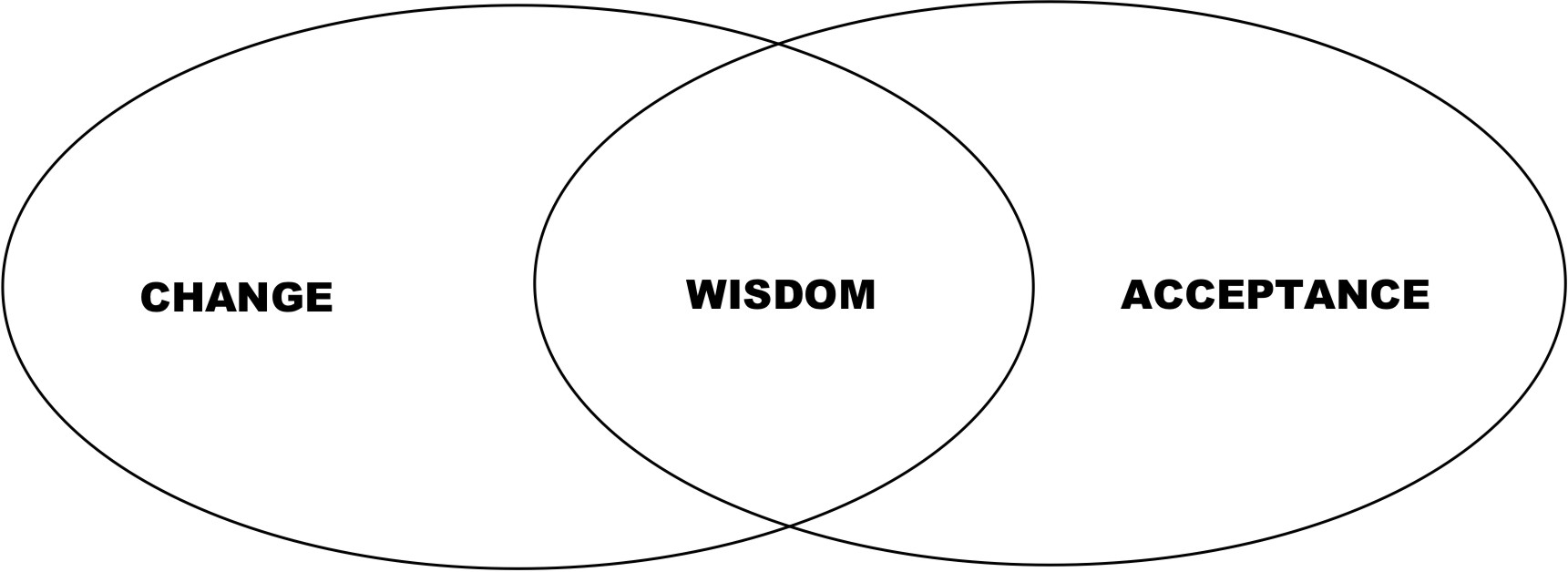
A hallmark of DBT is the balance between acceptance and change. Therapists validate clients’ experiences and emotions, acknowledging that their feelings are real and understandable. This validation reduces emotional resistance, fosters trust, and creates a safe therapeutic environment. Coupling this with nature-based experiences in ecotherapy allows clients to witness and accept the natural flow of life, enhancing the effectiveness of acceptance strategies in DBT.

Dialectical Behavior Therapy

4. Structured Approach Encourages Consistency

DBT follows a highly structured framework that includes individual therapy, skills training groups, phone coaching, and therapist consultation teams. This multi-layered approach provides consistent support and accountability, ensuring that clients have multiple avenues to practice and reinforce their skills. For those struggling with high-functioning anxiety or emotional dysregulation, the predictable structure of DBT can be profoundly stabilizing.

5. Focus on Building Emotional Resilience

DBT equips practitioners with tools to withstand life’s challenges. By learning to regulate emotions, tolerate distress, and navigate interpersonal dynamics, clients develop resilience that supports long-term well-being. Integrating ecotherapy amplifies this effect, as time in nature naturally reduces stress hormones, improves mood, and strengthens adaptive coping mechanisms. The combination of DBT and mindfulness-based ecotherapy creates a holistic pathway to emotional resilience.

6. Evidence-Based Success Across Diverse Populations

Research has repeatedly shown DBT’s effectiveness for people with borderline personality disorder, depression, anxiety, post-traumatic stress, and self-harming behaviors. Its adaptability makes it effective for a wide range of clients, including those who may not respond to traditional talk therapy. When combined with ecotherapy principles, DBT can be tailored to each person’s needs, providing individualized support that addresses both psychological and environmental factors.

Dialectical Behavior Therapy works because it blends mindfulness, practical skills, validation, structured support, emotional resilience, and evidence-based practices into a cohesive therapeutic model. At the Mindful Ecotherapy Center, we enhance DBT by integrating ecotherapy experiences, helping clients connect with both themselves and the natural world. This integration deepens mindfulness, strengthens coping skills, and supports long-term emotional well-being.

DBT is a roadmap for living with awareness, acceptance, and adaptability. By combining its proven techniques with the grounding benefits of nature, you too can find relief from emotional turbulence and discover a sense of calm, connection, and clarity.


Share Your Thoughts on Dialectical Behavior Therapy!

What do you think? Share your thoughts in the comments below! And don’t forget to subscribe to our newsletter!

Posted on

Guidelines for Gender-Affirming Care for Minors

gender-affirming care

The Importance of Gender-Affirming Care for Minors: Empowering Authenticity

Gender-affirming care for minors is about fostering a sense of safety and belonging for those navigating questions of identity in a world that can sometimes feel unwelcoming. While much attention has been placed on the medical aspects of gender-affirming care, its impact reaches far beyond physical health. It’s a pathway to empowerment, self-discovery, and the development of a solid foundation of self-worth during formative years.

This blog explores the less-discussed dimensions of gender-affirming care for minors: the psychosocial impact, the importance of family and community support, and how accessible, compassionate care can nurture resilience.

Building Confidence in Identity

For minors grappling with gender incongruence, having their identity affirmed is a crucial step in building confidence. Gender-affirming care creates an environment where young people feel seen, heard, and validated. Beyond the practical interventions, this care encourages young individuals to embrace their true selves without fear of judgment.

This confidence lays the groundwork for healthy self-expression and social interaction. A young person who feels secure in their identity is better equipped to form meaningful relationships, pursue their aspirations, and develop coping strategies for life’s challenges.

The Role of Family and Community

Gender-affirming care doesn’t happen in isolation; it involves the active participation of families and communities. A supportive family environment is one of the strongest predictors of positive outcomes for gender-diverse youth. Parents and guardians who educate themselves about gender identity and affirm their child’s journey create a stable and loving foundation.

Communities also play a vital role. Schools, peer groups, and local organizations can provide affirming spaces where minors feel safe to express themselves. Educational initiatives within these spaces can help dismantle stigma, fostering understanding and inclusion.

Psychosocial Growth and Emotional Well-Being

The teenage years are pivotal for identity formation, and for gender-diverse youth, this process is often more complex. Gender-affirming care addresses not only the physical aspects of transition but also the emotional and psychological growth of the individual.

Counseling and mental health support are integral parts of the journey, offering a safe space for minors to navigate their emotions, fears, and aspirations. These therapeutic engagements help young people build resilience, develop self-awareness, and learn strategies to handle societal challenges with confidence and grace.

Affirmation as Preventative Care

Studies consistently show that access to gender-affirming care reduces risks of anxiety, depression, and suicide among transgender and gender-diverse youth. What’s often less discussed is that gender-affirming care acts as a form of preventative healthcare. By affirming a minor’s gender identity early and providing the necessary resources and support, healthcare providers and families can prevent the development of long-term mental health challenges stemming from rejection or suppression.

When minors feel supported in their gender identity, they are far less likely to internalize societal stigma, leading to better outcomes in education, social settings, and overall well-being.

Education and Advocacy: Paving the Way for the Future

Ensuring access to gender-affirming care for minors is a societal responsibility. Beyond individual families and healthcare providers, there is a need for broad educational and advocacy efforts to create an environment where this care is normalized and accessible.

This includes training healthcare providers to approach gender diversity with sensitivity, implementing inclusive policies in schools, and advocating for the protection of transgender rights at the legislative level. These collective efforts ensure that no young person has to face their journey alone or unsupported.

Guidelines for gender-affirming care for minors are designed to provide age-appropriate, individualized, and supportive care. Here are some key points based on established practices:

  1. Social Affirmation:
    • For younger children, gender-affirming care often begins with social affirmation. This includes using the child’s chosen name, and pronouns, and allowing them to express their gender identity through clothing and hairstyles.
    • Social affirmation is reversible and does not involve medical interventions.
  2. Puberty Blockers:
    • Puberty blockers may be prescribed for adolescents experiencing gender dysphoria. These medications temporarily pause puberty, giving the individual time to explore their gender identity without the added stress of irreversible physical changes.
    • This intervention is considered reversible, as puberty resumes once the medication is stopped.
  3. Hormone Therapy:
    • For older adolescents, hormone therapy (e.g., estrogen or testosterone) may be considered to align physical characteristics with gender identity.
    • This step is typically undertaken after thorough assessments and with informed consent from both the minor and their guardians.
  4. Mental Health Support:
    • Mental health care is a critical component of gender-affirming care. It involves counseling to address gender dysphoria, build resilience, and navigate societal challenges.
    • Mental health professionals also play a role in assessing readiness for medical interventions.
  5. Surgical Interventions:
    • Gender-affirming surgeries are generally not recommended for minors. These procedures are typically reserved for adults or older adolescents in exceptional cases, following extensive evaluation and consent.
  6. Multidisciplinary Approach:
    • Care is provided by a team of professionals, including endocrinologists, mental health providers, and primary care physicians, to ensure comprehensive support.
  7. Informed Consent:
    • Informed consent is a cornerstone of gender-affirming care. Minors and their guardians are educated about the benefits, risks, and implications of each intervention before proceeding.

Standards of Medical Practice

These guidelines emphasize a patient-centered approach, ensuring that care is tailored to the individual’s needs and developmental stage. For more detailed information, you can explore resources like the Endocrine Society’s guidelines or the American Medical Association’s overview.

Conclusion: A Journey of Empowerment and Hope

Gender-affirming care for minors is not just about aligning external characteristics with internal identity—it’s about empowering young people to live authentically and with dignity. It’s about offering them the tools and support to navigate a complex world with confidence and self-assurance.

By fostering affirming spaces, involving families and communities, and prioritizing mental and emotional well-being, gender-affirming care has the power to transform lives. As advocates, caregivers, and allies, we have a shared responsibility to ensure that every young person has the chance to embrace their true self and thrive.


Share Your Thoughts!

Please feel free to share your thoughts in the comments below!

Don’t forget to check out our YouTube channel for more information and content!


Schedule a Teletherapy Appointment with Charlton Hall, MMFT, PhD, LMFT

For those seeking personalized guidance in incorporating Mindfulness-Based Ecotherapy into their lives, Charlton Hall, MMFT, PhD, LMFT, offers professional teletherapy sessions. With extensive expertise in MBE, Dr. Hall provides tailored strategies to help individuals overcome insomnia and achieve restorative sleep.

How to Schedule an Appointment

  1. Visit the Mindful Ecotherapy Center Website to find more information about Dr. Hall’s approach to sleep wellness and mindfulness-based therapies.
  2. Book a Consultation – Easily schedule a teletherapy session that fits your availability.
  3. Receive Expert Guidance – Work one-on-one with Dr. Hall to develop a personalized sleep-improvement plan using MBE techniques.

By integrating Mindfulness-Based Ecotherapy into your daily routine, you can naturally enhance your sleep quality, reduce stress, and achieve long-term wellness.


Schedule an Appointment Today!

Ready to take the next step? Schedule a session with Charlton Hall today and start your journey to better sleep through the healing power of nature.


Share Your Thoughts!

What do you think? Share your thoughts in the comments below! And don’t forget to subscribe to our newsletter!
Posted on

Ecotherapy Can Help Develop a Positive Self-Identity

ecotherapy Mindfulness-Based Ecotherapy Resources Worksheets Ecotherapy in the Pacific Northwest

In today’s fast-paced, technology-driven world, it’s easy to feel disconnected—not only from the natural world but also from ourselves. Many individuals struggle with forming or maintaining a positive self-identity due to stress, societal pressures, or the rapid pace of modern life. Enter eco-therapy: a transformative approach that uses nature as a partner in healing. By engaging with the environment in purposeful and mindful ways, eco-therapy offers a path to self-discovery, grounding, and cultivating a more positive sense of identity.

What is Ecotherapy?

Ecotherapy, also known as nature therapy or ecotherapy, is a broad term for therapeutic practices that involve interaction with nature. From forest bathing to gardening, hiking, or even simple mindful walks in green spaces, eco-therapy encourages individuals to connect with the environment. Rooted in the understanding that human health and the natural world are deeply intertwined, eco-therapy leverages this connection to improve mental well-being.

The Connection Between Nature and Self-Identity

Our self-identity—the way we perceive ourselves and our place in the world—is influenced by a myriad of factors, including the environment. Nature, with its soothing rhythms and cycles, offers a mirror through which individuals can better understand themselves. Here’s how eco-therapy helps develop a positive self-identity:

  1. Rediscovering Simplicity and Authenticity: Immersing oneself in nature strips away the distractions of modern life, allowing for a return to simplicity. In a forest or by the ocean, societal labels, career pressures, and material pursuits fade, leaving room for introspection. This space to reflect on one’s authentic self can be profoundly healing and grounding.
  2. Fostering Mindfulness and Presence: Ecotherapy encourages mindfulness—the practice of being fully present in the moment. Observing a bird’s song, feeling the texture of bark, or noticing the movement of clouds draws attention to the here and now. This heightened state of awareness often leads to greater self-awareness, helping individuals identify and embrace their strengths, values, and passions.
  3. Healing Through Symbolism and Metaphors: Nature is rich with symbolism that resonates with the human experience. The resilience of a tree weathering a storm or the renewal of flowers in spring can serve as metaphors for personal growth and transformation. Such reflections foster a sense of connectedness and help individuals reframe challenges as opportunities for growth.
  4. Building Resilience Through Nature’s Cycles: Just as ecosystems experience seasons of growth, decay, and renewal, individuals undergo life’s cycles of joy, loss, and recovery. Ecotherapy helps normalize these experiences, teaching that impermanence is a natural part of life. Embracing this perspective builds resilience and a more positive outlook on personal identity and life’s changes.
  5. Encouraging Purpose and Belonging: Spending time in nature instills a sense of belonging to something greater. Whether it’s planting a garden or participating in conservation efforts, ecotherapy provides opportunities for purposeful action. These acts strengthen an individual’s sense of connection to the world and foster a meaningful identity grounded in contribution and care.

Practical Approaches to Ecotherapy for Self-Identity

There are many ways to integrate eco-therapy into your life to nurture a positive self-identity:

  • Forest Bathing (Shinrin-Yoku): Spend time in a forested area, immersing yourself in its sights, sounds, and smells. This Japanese practice is proven to reduce stress and foster emotional clarity.
  • Mindful Walking: Take slow, purposeful walks in a natural setting. Pay attention to your surroundings, focusing on the sensory details of the environment.
  • Creative Practices in Nature: Journaling, sketching, or writing poetry inspired by the natural world can help express and explore your inner self.
  • Gardening: Cultivating plants offers a hands-on way to nurture growth, symbolic of the care we can give ourselves.
  • Meditation Outdoors: Practice meditation or yoga in a natural setting to deepen your connection with both the environment and your inner self.

The Transformative Power of Nature

Eco-therapy is more than just a therapeutic practice; it’s a reminder of the interconnectedness of life. In nature, individuals often find clarity, balance, and a renewed sense of self. By aligning with the rhythms of the earth, we can better understand our own unique identities, finding strength and purpose in the process.

Incorporating eco-therapy into daily life doesn’t require grand gestures—sometimes, a quiet moment in a park or tending to a houseplant is enough to spark self-reflection. Through these moments, we learn to embrace ourselves more fully, cultivate resilience, and foster a positive self-identity that’s as enduring as the mountains and as fluid as the rivers.


Share Your Thoughts!

Please feel free to share your thoughts in the comments below!

Don’t forget to check out our YouTube channel for more information and content!


Schedule a Teletherapy Appointment with Charlton Hall, MMFT, PhD, LMFT

For those seeking personalized guidance in incorporating Mindfulness-Based Ecotherapy into their lives, Charlton Hall, MMFT, PhD, LMFT, offers professional teletherapy sessions. With extensive expertise in MBE, Dr. Hall provides tailored strategies to help individuals overcome insomnia and achieve restorative sleep.

How to Schedule an Appointment:

  1. Visit the Mindful Ecotherapy Center Website to find more information about Dr. Hall’s approach to sleep wellness and mindfulness-based therapies.
  2. Book a Consultation – Easily schedule a teletherapy session that fits your availability.
  3. Receive Expert Guidance – Work one-on-one with Dr. Hall to develop a personalized sleep-improvement plan using MBE techniques.

By integrating Mindfulness-Based Ecotherapy into your daily routine, you can naturally enhance your sleep quality, reduce stress, and achieve long-term wellness.


Schedule an Appointment Today!

Ready to take the next step? Schedule a session with Charlton Hall today and start your journey to better sleep through the healing power of nature.


Share Your Thoughts!

What do you think? Share your thoughts in the comments below! And don’t forget to subscribe to our newsletter!

Posted on

The Adverse Childhood Experiences Study and Mental and Physical Health

ACEs Study

The Adverse Childhood Experiences (ACEs) Study is a groundbreaking research project that has transformed our understanding of how early-life trauma impacts long-term health. Conducted by the Centers for Disease Control and Prevention (CDC) and Kaiser Permanente, the study revealed a strong correlation between childhood adversity and a wide array of mental and physical health issues in adulthood. This blog explores the ACEs Study, its implications for health, and how Mindfulness-Based Ecotherapy (MBE) can offer a pathway to healing.

What is the ACEs Study?

The ACEs Study evaluates the impact of adverse experiences during childhood, such as abuse, neglect, and household dysfunction. Participants answer questions across ten categories:

  1. Physical abuse
  2. Emotional abuse
  3. Sexual abuse
  4. Physical neglect
  5. Emotional neglect
  6. Parental separation or divorce
  7. Household substance abuse
  8. Household mental illness
  9. Domestic violence
  10. Incarcerated household member

Each positive response counts as one ACE. Higher ACE scores correlate with increased risks of health challenges such as depression, anxiety, chronic diseases, and even early death.

ACEs Survey:

  1. Did a parent or other adult in your household often or very often… swear at you, insult you, put you down, or humiliate you? Or act in a way that made you afraid you might be physically hurt?
  2. Did a parent or other adult in your household often or very often… push, grab, slap, or throw something at you? Or ever hit you so hard that you had marks or were injured?
  3. Did an adult or person at least 5 years older than you ever… touch or fondle you in a sexual way? Or have you touch their body in a sexual way? Or attempt or actually have oral, anal, or vaginal intercourse with you?
  4. Did you often or very often feel that… no one in your family loved you or thought you were important or special? Or your family didn’t look out for each other, feel close to each other, or support each other?
  5. Did you often or very often feel that… you didn’t have enough to eat, had to wear dirty clothes, and had no one to protect you? Or your parents were too drunk or high to take care of you or take you to the doctor if you needed it?
  6. Were your parents ever separated or divorced?
  7. Was your mother or stepmother: Often or very often pushed, grabbed, slapped, or had something thrown at her? Or sometimes, often, or very often kicked, bitten, hit with a fist, or hit with something hard? Or ever repeatedly hit over at least a few minutes or threatened with a gun or knife?
  8. Did you live with anyone who was a problem drinker or alcoholic or who used street drugs?
  9. Was a household member depressed or mentally ill, or did a household member attempt suicide?
  10. Did a household member go to prison?
ACEs Study mindfulness

Impacts of ACEs on Health

The ACEs Study uncovered that individuals with higher ACE scores are at greater risk for the following:

  • Mental Health Issues: Depression, anxiety, PTSD, and suicidal ideation are common among those with high ACE scores.
  • Physical Health Problems: Chronic diseases such as heart disease, diabetes, and autoimmune disorders are more prevalent in those with childhood trauma.
  • Behavioral Challenges: Increased likelihood of substance abuse, risky behaviors, and difficulty forming healthy relationships.
  • Shortened Lifespan: Studies indicate a reduced life expectancy of up to 20 years for those with the highest ACE scores.

Healing Through Mindfulness-Based Ecotherapy

Mindfulness-Based Ecotherapy (MBE) is a therapeutic approach that combines mindfulness practices with nature-based activities. It is particularly effective for individuals recovering from childhood trauma and attachment disorders. Here’s how MBE can help:

1. Rebuilding Secure Attachments

ACEs often disrupt the ability to form secure relationships. MBE includes exercises like grounding and mindful observation in natural settings, fostering a sense of safety and connection. These practices encourage individuals to rebuild trust—both in themselves and in their environment.

2. Managing Stress and Anxiety

MBE techniques such as mindful breathing, walking meditations, and sensory awareness exercises help regulate the nervous system. These activities mitigate the hyperarousal and emotional dysregulation common in individuals with high ACE scores.

3. Fostering Resilience

By engaging in eco-art activities like sandtray therapy or nature journaling, participants can explore their trauma narratives in a non-threatening way. These creative outlets enable them to reframe their experiences, cultivating resilience and empowerment.

4. Improving Physical Health

Spending time in nature has been shown to lower blood pressure, reduce inflammation, and improve overall physical health. The incorporation of mindfulness enhances these benefits by reducing chronic stress, a key factor linking ACEs to poor health outcomes.

5. Encouraging Emotional Regulation

Nature-based mindfulness exercises encourage individuals to stay present and process emotions as they arise. Over time, these practices strengthen emotional regulation skills, reducing symptoms of PTSD and anxiety.

Conclusion

The ACEs Study has provided invaluable insights into how childhood adversity impacts health across the lifespan. While the effects of high ACE scores can be profound, healing is possible. Mindfulness-Based Ecotherapy offers a holistic approach to addressing trauma, fostering resilience, and improving both mental and physical health. By integrating mindfulness practices with the healing power of nature, MBE provides a pathway for individuals to reclaim their well-being and build a brighter future.

If you or someone you know has experienced childhood trauma, consider exploring Mindfulness-Based Ecotherapy as a powerful tool for healing and growth.


Share Your Thoughts on the Adverse Childhood Experiences Study!

Do you find the ACE Study useful? Share your thoughts in the comments below!

Don’t forget to check out our YouTube Channel!