
Posted on

Radical Acceptance: A Positive Path Out of Emotional Struggle

radical acceptance

Radical acceptance is one of the most powerful and misunderstood skills in Mindfulness-Based Ecotherapy. You are often taught, implicitly or explicitly, that uncomfortable emotions must be fixed, suppressed, or eliminated. Radical acceptance offers a different and far more effective approach. It teaches you that you can experience emotions and thoughts fully without engaging in behavioral cycles that lead to negative consequences. You learn that pain is part of being human, but suffering is often optional.

The Mindfulness-Based Ecotherapy skill of radical acceptance teaches you that you are not your thoughts and you are not your emotions. Thoughts and feelings are not commands, identities, or truths. They are temporary processes of the brain, shaped by learning, memory, trauma, biology, and context. When you fuse with them, believing they define who you are or dictate what you must do, you lose flexibility. When you relate to them with awareness and acceptance, you regain choice.

Radical Acceptance and the Shift From Reaction to Response

Radical acceptance does not mean liking what is happening, approving of harm, or giving up on change. It means clearly acknowledging reality as it is in this moment, without adding layers of resistance. When you fight reality internally, your nervous system remains activated, keeping you locked in cycles of anxiety, anger, shame, or avoidance. Research consistently shows that experiential avoidance, the attempt to escape unwanted internal experiences, is strongly linked to psychological distress and maladaptive behavior (Hayes et al., 2020).

When you practice radical acceptance, you stop arguing with what already exists. You allow thoughts to arise and pass. You allow emotions to move through the body. This creates space between what you feel and what you do. Instead of reacting automatically, you respond intentionally. This skill is foundational in mindfulness-based and acceptance-based therapies, including Acceptance and Commitment Therapy and Dialectical Behavior Therapy, both of which emphasize acceptance as a pathway to psychological flexibility (Linehan, 2020; Hayes et al., 2020).

You Are Not Your Thoughts or Emotions

One of the most liberating aspects of radical acceptance is learning to defuse from internal experiences. A thought like “I am failing” is no longer treated as a fact. An emotion like fear is no longer treated as a threat that must be eliminated. Instead, thoughts are seen as mental events and emotions as physiological and psychological processes. Neuroscience research supports this perspective, showing that emotional experiences are dynamic brain-body states that change when they are observed with nonjudgmental awareness rather than suppressed or amplified (Dahl et al., 2020).

This shift matters because behavior follows relationship, not content. When you believe your thoughts unquestioningly, you act as if they are instructions. When you accept their presence without attachment, you gain the freedom to choose actions aligned with your values rather than your impulses.

Radical Acceptance in Mindfulness-Based Ecotherapy

In Mindfulness-Based Ecotherapy, radical acceptance is practiced not only internally but also in relationship with the natural world. Nature offers constant demonstrations of acceptance without resignation. A river does not resist obstacles; it moves around them. A forest does not judge decay; it integrates it into renewal. When you practice radical acceptance outdoors, your body often understands the lesson before your mind catches up.

Ecotherapy supports radical acceptance by engaging your senses and grounding you in the present moment. Sitting with discomfort while noticing birdsong or the rhythm of waves can regulate the nervous system, making acceptance more accessible. Research since 2020 shows that nature-based mindfulness practices reduce rumination and emotional reactivity while increasing psychological flexibility and self-regulation (Schutte & Malouff, 2021; Passmore & Howell, 2020).

Acceptance Is the Doorway to Change

Paradoxically, radical acceptance is what allows meaningful change to occur. When you stop wasting energy fighting internal experiences, that energy becomes available for skillful action. You can feel anger without acting aggressively. You can feel anxiety without avoiding life. You can feel sadness without collapsing into hopelessness. Acceptance creates stability. Stability creates choice.

At the Mindful Ecotherapy Center, radical acceptance is taught as a lived practice,. You learn to notice when resistance shows up in your body, your thoughts, and your behaviors. You learn to soften your grip. Over time, you experience a quiet but profound shift. Life becomes less about controlling what you feel and more about living fully, even when feelings are difficult.

To explore how radical acceptance and other Mindfulness-Based Ecotherapy skills can support your well-being, visit www.mindfulecotherapycenter.com


References

Dahl, C. J., Wilson-Mendenhall, C. D., & Davidson, R. J. (2020). The plasticity of well-being: A training-based framework for the cultivation of human flourishing. Proceedings of the National Academy of Sciences, 117(51), 32197–32206. https://doi.org/10.1073/pnas.2014859117

Hayes, S. C., Strosahl, K. D., & Wilson, K. G. (2020). Acceptance and commitment therapy: The process and practice of mindful change (2nd ed.). Guilford Press.

Linehan, M. M. (2020). DBT skills training manual (2nd ed.). Guilford Press.

Passmore, H. A., & Howell, A. J. (2020). Nature involvement increases hedonic and eudaimonic well-being: A two-week experimental study. Ecopsychology, 12(1), 1–11. https://doi.org/10.1089/eco.2019.0025

Schutte, N. S., & Malouff, J. M. (2021). Mindfulness and connectedness to nature: A meta-analytic investigation. Personality and Individual Differences, 179, 110984. https://doi.org/10.1016/j.paid.2021.110984


Share Your Thoughts About Radical Acceptance!

What do you think? Share your thoughts in the comments below!


  And don’t forget to subscribe to our newsletter!

Posted on

Dialectical Behavior Therapy: 6 Essential Reasons It Works

Dialectical Behavior Therapy

Dialectical Behavior Therapy (DBT) has earned a reputation as one of the most effective forms of therapy for managing intense emotions, self-destructive behaviors, and interpersonal challenges. Developed by Dr. Marsha Linehan in the late 1980s, DBT is a structured, evidence-based approach that combines cognitive-behavioral strategies with mindfulness practices. At the Mindful Ecotherapy Center, we integrate mindfulness-based ecotherapy techniques into DBT to enhance emotional regulation and promote deeper self-awareness. Here are six essential reasons why Dialectical Behavior Therapy works so effectively.

1. Mindfulness Is at the Core of Dialectical Behavior Therapy

Dialectical Behavior Therapy (DBT) emphasizes mindfulness, the practice of paying deliberate attention to the present moment without judgment. By learning to observe thoughts and emotions without being overwhelmed by them, people can break cycles of reactivity that often lead to self-harm, anxiety, or relationship conflicts. In mindfulness-based ecotherapy, this practice is extended outdoors, connecting people with natural environments to enhance focus, reduce stress, and strengthen grounding. Nature becomes an ally in cultivating awareness, making DBT skills more accessible and tangible.

2. Skills Are Practical and Action-Oriented

Unlike traditional therapy that may focus primarily on insight, DBT equips you with practical skills for real-world situations. These skills are organized into four main modules: mindfulness, distress tolerance, emotional regulation, and interpersonal effectiveness. Patients learn to tolerate distress without resorting to harmful behaviors, manage intense emotions effectively, and communicate their needs assertively. Integrating these skills into daily life ensures that therapy is not just theoretical but transformative.

3. Validation and Acceptance Reduce Emotional Resistance

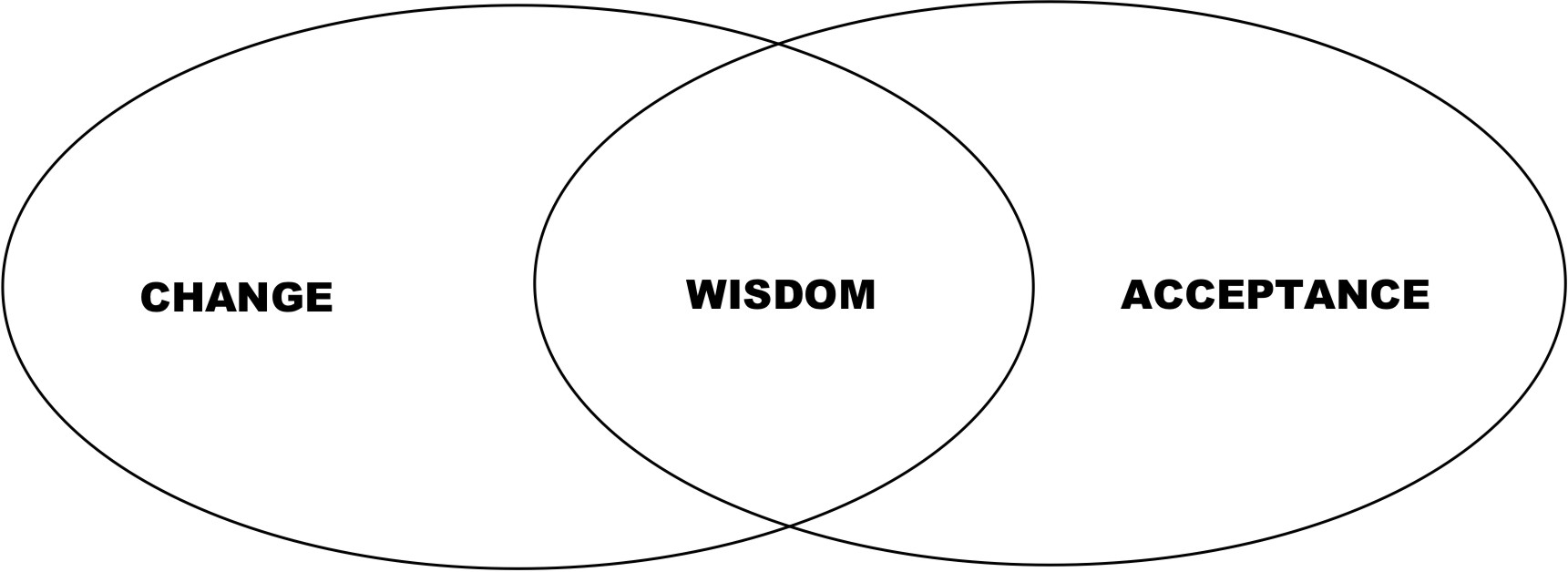
A hallmark of DBT is the balance between acceptance and change. Therapists validate clients’ experiences and emotions, acknowledging that their feelings are real and understandable. This validation reduces emotional resistance, fosters trust, and creates a safe therapeutic environment. Coupling this with nature-based experiences in ecotherapy allows clients to witness and accept the natural flow of life, enhancing the effectiveness of acceptance strategies in DBT.

Dialectical Behavior Therapy

4. Structured Approach Encourages Consistency

DBT follows a highly structured framework that includes individual therapy, skills training groups, phone coaching, and therapist consultation teams. This multi-layered approach provides consistent support and accountability, ensuring that clients have multiple avenues to practice and reinforce their skills. For those struggling with high-functioning anxiety or emotional dysregulation, the predictable structure of DBT can be profoundly stabilizing.

5. Focus on Building Emotional Resilience

DBT equips practitioners with tools to withstand life’s challenges. By learning to regulate emotions, tolerate distress, and navigate interpersonal dynamics, clients develop resilience that supports long-term well-being. Integrating ecotherapy amplifies this effect, as time in nature naturally reduces stress hormones, improves mood, and strengthens adaptive coping mechanisms. The combination of DBT and mindfulness-based ecotherapy creates a holistic pathway to emotional resilience.

6. Evidence-Based Success Across Diverse Populations

Research has repeatedly shown DBT’s effectiveness for people with borderline personality disorder, depression, anxiety, post-traumatic stress, and self-harming behaviors. Its adaptability makes it effective for a wide range of clients, including those who may not respond to traditional talk therapy. When combined with ecotherapy principles, DBT can be tailored to each person’s needs, providing individualized support that addresses both psychological and environmental factors.

Dialectical Behavior Therapy works because it blends mindfulness, practical skills, validation, structured support, emotional resilience, and evidence-based practices into a cohesive therapeutic model. At the Mindful Ecotherapy Center, we enhance DBT by integrating ecotherapy experiences, helping clients connect with both themselves and the natural world. This integration deepens mindfulness, strengthens coping skills, and supports long-term emotional well-being.

DBT is a roadmap for living with awareness, acceptance, and adaptability. By combining its proven techniques with the grounding benefits of nature, you too can find relief from emotional turbulence and discover a sense of calm, connection, and clarity.


Share Your Thoughts on Dialectical Behavior Therapy!

What do you think? Share your thoughts in the comments below! And don’t forget to subscribe to our newsletter!
Posted on

The “What” and “How” Skills of Mindful Awareness

skills of mindful awareness

There are six skills of mindful awareness in Dialectical Behavior Therapy (DBT). They are divided up into “what” skills and “how” skills. The “what” skills are what you do to be mindful, and the “how” skills are how you do what you do to be mindful. The worksheet linked below lists and briefly describes each of these skills.

The “What” Skills of Mindful Awareness

Observing

When we are preoccupied with thoughts of the past or the future, we are in thinking mode. Thinking mode takes us away from experiencing the world directly with our senses. In thinking mode, we are living in our heads instead of living in the moment.

The first of the skills of Mindful Awareness teaches us to focus on the world experienced directly by our senses: touch, taste, smell, hearing, and sight. Experiencing life in sensing mode introduces us to a richer world. It’s impossible to be bored or apathetic if you treat each experience as if it is happening to you for the first time, through your senses.

The skill of observing involves shifting out of thinking mode and into sensing mode by observing what you are experiencing in the present moment through all of your senses.

Describing

diagnosis skills of mindful awareness

The next of the skills of Mindful Awareness involves observing the smallest details of an object, event, or activity, then describing the experience in a non-judgmental fashion. Describing means approaching each daily activity as if you are experiencing it for the first time. Explore as many dimensions of it as you can. When we gain experience with this technique, we can apply it to other areas of our lives as well.

For example, by looking at your negative thought processes and identifying and labeling them as such, you are better able to recognize them simply as processes, and not as part of who you are as a person. DBT teaches you to describe experiences without judging them or labeling them as “good” or “bad.” Instead, you can label them as merely thoughts or feelings, while remembering that thoughts and feelings are not facts.

Participating

Mindful Awareness allows you to experience every aspect of an activity. We have a tendency, when in thinking mode, to see things and activities as either “all bad” or “all good.” This is not necessarily an accurate depiction of reality. Most activities aren’t inherently good or bad. We’ve taught ourselves to think of them in such terms, but we can also teach ourselves to think differently.

Think about an unpleasant activity that you have to engage in regularly, such as washing the dishes or taking out the trash. Can you think of any pleasant aspects of these activities? There are enjoyable aspects to every experience if we train ourselves to look for them. Even if we find ourselves caught in an activity in which we can find no pleasure at all, at least we have the pleasure of thinking about how good we’ll feel when the activity is over!

Life occurs in the present moment. Mastering the art of participation allows us to get the most out of life in the present.


The “How” Skills of Mindful Awareness

Non-judgmental

The first of the “how” skills of Mindful Awareness teaches us the art of acceptance. Emotional reactions to our circumstances are natural, but that doesn’t mean that we have to respond to these emotions. There’s no such thing as a “wrong” feeling. What may be “wrong,” or less effective, is how we choose to respond to the feeling.

The mindful skill of being non-judgmental teaches us that we can experience emotions without engaging in cycles of behavior that lead us to negative consequences. We can choose which thoughts and emotions we wish to respond to, and which just to sit quietly with, in “being mode.”

Being non-judgmental means seeing the world as it is, without judgments or assumptions. When we can do so, we have achieved Beginner’s Mind or Child’s Mind, which is the art of experiencing everything as if seeing it for the first time, without judgment.

One-mindful

Being “one mindful” simply means focusing on one thing at a time. Being one-mindful allows us to live in the present moment.

Emotional dysregulation often occurs because we tend to focus on all the emotionally overwhelming aspects of a situation while thinking we have to do something to fix it. Wanting to fix it is “Doing Mind.” Being one-mindful allows us to shift to “Being Mind” and just be with the emotion without having to do anything about it.

A journey of a thousand miles begins with a single step. If you focus on the thousand-mile journey, you’ll become so emotionally overwhelmed you’ll never take the first step; but if you instead just focus on the step that’s in front of you, and then the next step, and then the next, you will eventually complete the entire journey.

The most effective way to do this is to first ask yourself, “What is the smallest thing I can do in this situation that will make a difference? Do that, and then if you have any energy left over, you can focus on the next step, and so on, until the journey is completed.

When you learn to do this, you will have learned to be one-mindful.

Effective

This is probably the most important of the skills of mindful awareness because it teaches us to focus on solutions, not problems. We can talk about problems all day, but until we start talking about solutions, nothing will ever get solved. The way to solve a problem is to take positive, intentional steps towards finding a solution.

A mindful life is a life lived deliberately and effectively. It is a purposeful life. Being effective means solving problems in a purposeful, intentional manner. The way to be effective is to begin by asking two questions:

  1. What is my intention in this situation?
  2. Are my thoughts, feelings, and behaviors going to help me to achieve this intention?

When we live using the skills of mindful awareness, our thoughts, behaviors, and actions always support our intention. When we learn to do this, we have learned how to be effective.


Mindful Ecotherapy Center on YouTube

Subscribe to the Mindful Ecotherapy Center’s YouTube channel to bring peace, presence, and healing into your daily life. Our videos guide you through mindfulness-based ecotherapy practices, including forest bathing, tree planting rituals, nature meditations, and reflective exercises for grief, stress, and emotional well-being.

Whether you’re seeking to reconnect with the natural world, cultivate inner calm, or find restorative tools for personal growth, our content offers practical guidance, inspiration, and community support. Join us to explore the transformative power of nature and the skills of mindfulness, and start your journey toward balance, resilience, and deeper connection today!


Share Your Thoughts!

What do you think? Share your thoughts in the comments below! And don’t forget to subscribe to our newsletter!