We create our reality based on our assumptions and our perceptions about the world and our place in it. By making assumptions about the world, and using our perceptions, based on those assumptions, to look for evidence to support our beliefs, we eventually create a reality that reflects those assumptions and perceptions. In this episode of Mindful Moments will talk about how our assumptions and our perceptions influence our reality.
Dr. Charlton Hall started his Family Therapy business career in 2008 by creating and running the Family Therapy Teaching Clinic at the Upstate Family Resources Center in Spartanburg, South Carolina while still in graduate school. He served as the Clinical Services Director, then went on to start several successful Family Therapy private practices. His last job before becoming the Director of the Mindful Ecotherapy Center was Chair of Behavioral Health for a major medical clinic in South Carolina.
Starting a Therapy Business Course Content
In this course due to be released in January of 2023 Dr. Hall shares his expertise and experience in starting a private practice therapy business. In this course we will cover: • Is private practice right for you? • Types of business entity • Taxes and licenses needed for each type of business entity • Learn the basics of getting on insurance panels and the process of billing • How to get on EAPs and HMOs • Professional Organizations: Should you join them? • Advertising and Branding • Marketing your therapy business This course will be announced in the newsletter when available!
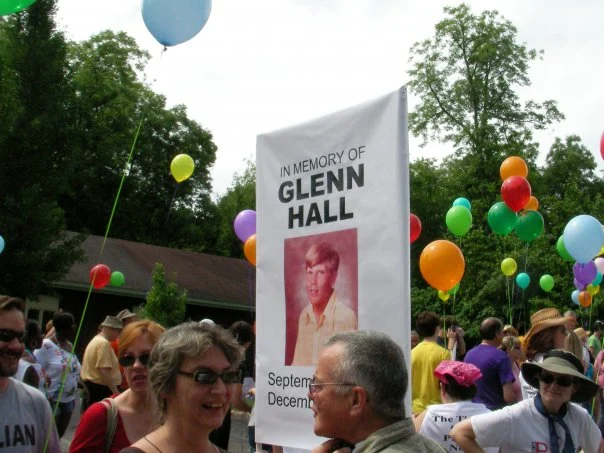
Transgender Remembrance Day is November 20, 2022. On this day we honor the memory of those who have lost their lives to anti-transgender violence.
Imagine your life was in danger on a daily basis simply for being who you are. Imagine suffering discrimination not only in the workplace, but also in your school, in your church, or in your own family or even when you visit your health care provider.
If you can imagine this then you have a good understanding of what most transgender people endure on a daily basis.
Did you know that in 2019 twenty-six Americans lost their lives due to transgender violence?
These victims were killed by acquaintances, partners and strangers, some of whom have been arrested and charged, while others have yet to be identified.
Some of these cases involve clear anti-transgender bias. In others, the victim’s transgender status may have put them at risk in other ways, such as forcing them into unemployment, poverty, homelessness and/or survival sex work and sex trafficking.
Of the victims murdered, 80% were people of color, 55% were transgender women, and 50% were transgender women of color.
Transgender women survivors of hate violence were also more likely to experience police violence, physical violence, discrimination, harassment, sexual violence, threats, and intimidation compared to those who were not transgender women.
Violence and harassment were experienced by the more than 6,000 transgender people across a variety of contexts, including educational settings, at work, in interactions with police and with family members, at homeless shelters, accessing public accommodations, and in jails and prisons.
Additionally, murders of transgender people often go unreported, and the identity of transgender murder victims is often misreported, so the actual numbers are probably far higher.
So what can you do? Start by calling attention to local victims of anti-transgender violence.
Highlight positive stories of transgender individuals, and the dehumanizing discrimination they have faced in their every day lives.
Familiarize yourself with statistics on transgender violence and make your community aware.
Statistics from the Gay, Lesbian and Straight Education Network (GLSEN) show that in schools, 16.2% of transgender students report being physically assaulted as a result of gender expression, while 32.5% experience physical harassment including bullying and physical assault. You can talk with transgender youth about their experiences growing up and create educational networks to fight such discrimination.
Contact local transgender and LGBTQ organizations to find out how they plan to observe Transgender Day of Remembrance.
Many universities and high schools, through their Gay-Straight Alliances and other organizations, hold candlelight vigils or other events to recognize the day.
You can also get involved in a local event or start one of your own. Here are types some events to Look For:
Candlelight vigils are the most common way that local communities recognize Transgender Day of Remembrance, Such events may also include:
Marches
Forums and panel discussions with local advocates
Poetry or spoken word readings
Art exhibits
Movie screenings of feature films or documentaries that center on transgender characters or subjects
Representations of the number of transgender people murdered, such as tombstone cutouts, memorials with photographs, or chalk outlines.
To learn more about what you can do, visit some of the resources listed below.
If you are a transgender person who has experienced discrimination, contact one of the organizations listed here for a list of resources and support in your area.
And remember…having a transgender child doesn’t mean you’ve failed as a parent. Rejecting your transgender child means you’ve failed as a parent.
If you are currently feeling suicidal or know someone who is, contact the National Suicide Prevention Hotline at 800-273-TALK (8255) or dial 988 on your smart phone.
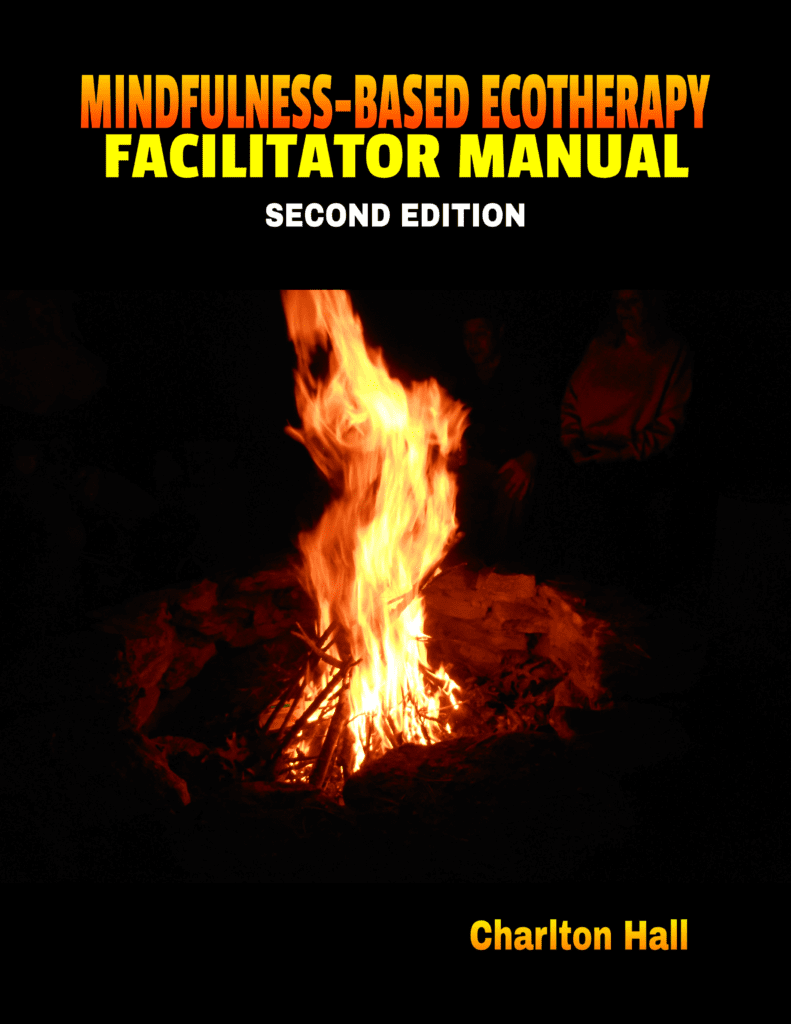
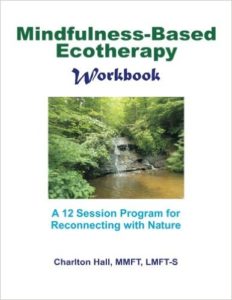
This Second Edition of the Facilitator Manual for the Mindfulness-Based Ecotherapy Program contains the complete text of the Mindfulness-Based Ecotherapy Workbook plus additional material on how to facilitate each session of the program. The Facilitator Manual also includes information on running a successful group, and the stages of group change and group dynamics. This manual is designed to help facilitators of the Mindfulness-Based Ecotherapy program successfully implement a workshop series. The Mindfulness-Based Ecotherapy workshop series teaches you the 12 skills of Mindfulness-Based Ecotherapy (MBE) by introducing one of these skills at each of the 12 sessions in the program. The experiential nature of the work allows anyone with access to outdoor spaces the opportunity to complete the series on their own. The Mindfulness-Based Ecotherapy Workbook allows you to embrace the healing power of nature in an experiential way.
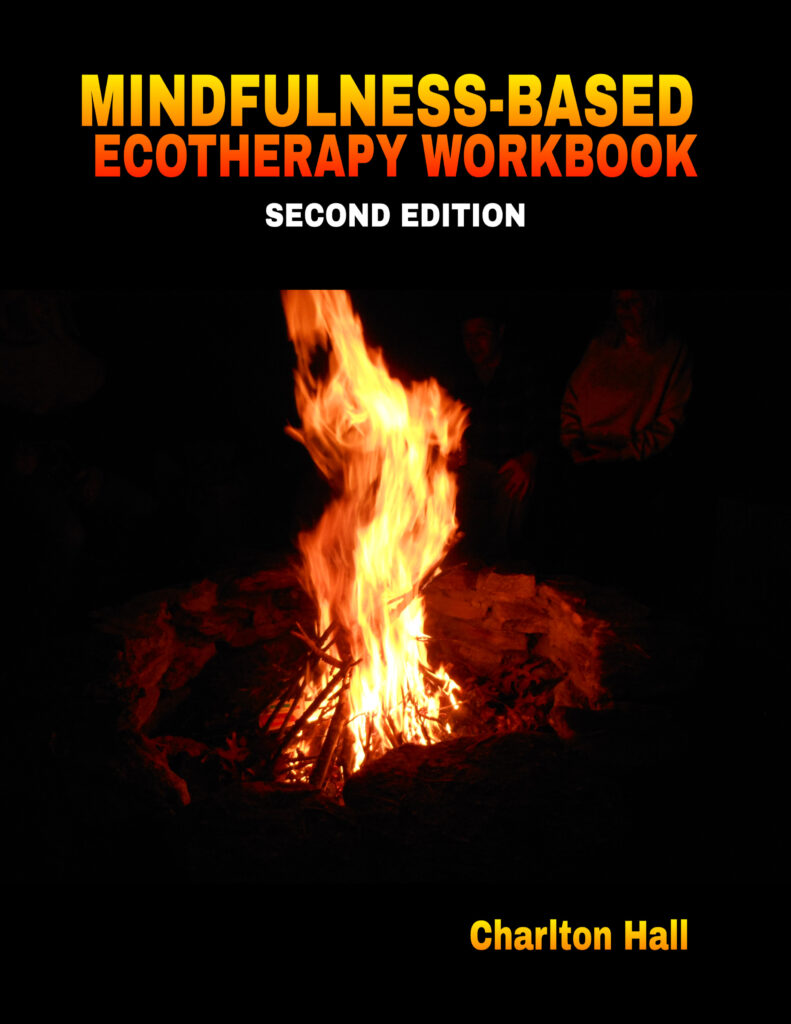
This is the second edition of the Mindfulness-Based Ecotherapy Workbook. The original workbook was published in 2015, and the sciences of mindfulness and ecotherapy have advanced a great deal since that time. This second edition was updated to reflect this new research. This edition, like its predecessor, was written to accompany the 12-week Mindfulness-Based Ecotherapy workshop series. Some of the exercises in this new edition have changed based on participant feedback regarding what is more helpful in facilitating nature experiences.
This new version of the handbook introduces the 12 skills of Mindfulness-Based Ecotherapy (MBE) and introduces one of these skills at each of the 12 sessions in the program. Although this book is designed to accompany the 12-week Mindfulness-Based Ecotherapy workshop series, it may also be completed on your own at home. The experiential nature of the work allows anyone with access to outdoor spaces the opportunity to complete the series. If you are interested in participating in a workshop series near you, you can visit the Mindful Ecotherapy Center’s website at www.mindfulecotherapy.org. The website contains a directory of Mindfulness-Based Ecotherapists worldwide
The second edition of the Mindfulness-Based Ecotherapy Workbook represents a significant evolution in the integration of mindfulness, nature-based practices, and therapeutic skill development. The original workbook, first published in 2015, emerged at a time when mindfulness-based interventions and ecotherapy were gaining momentum but had not yet fully matured as research-informed practices. In the years since, the sciences of mindfulness, trauma treatment, somatic awareness, and nature-based mental health interventions have advanced substantially. This revised workbook reflects those developments while staying grounded in experiential, accessible practice.
The Mindfulness-Based Ecotherapy Workbook is designed to accompany the 12-week Mindfulness-Based Ecotherapy (MBE) workshop series. However, one of its strengths is its flexibility. While it functions seamlessly within a structured group setting, it can also be completed independently by individuals who wish to engage in the practices on their own. The experiential nature of the workbook allows participants to move beyond theory and into direct engagement with the natural world, using outdoor spaces as co-facilitators in the therapeutic process.
What’s New in the Second Edition
One of the most important updates in this second edition is the explicit introduction of the 12 core skills of Mindfulness-Based Ecotherapy. Each skill is presented in sequence, with one skill explored in depth during each of the 12 sessions of the program. This structure provides clarity, coherence, and a clear developmental arc, allowing participants to gradually build capacity rather than feeling overwhelmed.
Several exercises have been revised or replaced based on participant feedback from previous workshop cohorts. This feedback-driven approach ensures that the workbook prioritizes practices that genuinely support embodied awareness, emotional regulation, and meaningful connection with nature. Rather than offering abstract reflection prompts, the workbook emphasizes lived experience, sensory engagement, and mindful presence in outdoor environments.
The updated content also reflects newer research in areas such as:
Trauma-informed mindfulness
Nervous system regulation
Embodied and somatic awareness
The psychological benefits of green and blue spaces
Nature-based interventions for anxiety, depression, and stress
An Experiential Approach to Learning
Unlike many traditional self-help books, this workbook is intentionally experiential rather than purely instructional. The practices are designed to be done, not just read about. Participants are encouraged to spend time outdoors, observe natural processes, notice bodily sensations, and reflect on how these experiences intersect with thoughts, emotions, and values.
This approach aligns with the foundational philosophy of Mindfulness-Based Ecotherapy, which views nature not as a backdrop, but as an active participant in healing. Anyone with access to outdoor spaces—whether a forest, park, backyard, or urban green area—can meaningfully engage with the workbook. The practices are adaptable, making the material accessible across diverse environments and life circumstances.
For Groups and Individuals Alike
While the workbook was created to support the 12-week MBE workshop series, it is equally valuable for individual use. Therapists may integrate the workbook into their clinical work, while individuals may use it as a structured self-guided program. The pacing encourages reflection without pressure, reinforcing the principle that growth unfolds over time and through repeated, mindful engagement.
For those interested in participating in a facilitated workshop, the Mindful Ecotherapy Center maintains a global directory of Mindfulness-Based Ecotherapy programs. This directory, available at www.mindfulecotherapy.org, connects individuals with trained providers offering workshops and groups worldwide.
A Living Resource for Ongoing Practice
The second edition of the Mindfulness-Based Ecotherapy Workbook is not meant to be completed once and shelved. Instead, it serves as a living resource that participants can return to as their relationship with mindfulness, nature, and self-awareness deepens. By grounding therapeutic skills in direct experience with the natural world, the workbook offers a sustainable and compassionate pathway toward psychological resilience and ecological connection.
Share Your Thoughts!
What do you think? Share your thoughts in the comments below! And don’t forget to subscribe to our newsletter!
The word “spiritual” comes from the Latin spiritus, which means, “breath.” So originally, that which was spiritual was simply that which was breathtaking. From this perspective a spiritual experience is an awe-inspiring experience. People of all religions…or none…can experience such awe-inspiring events in nature. Ecospirituality can be spiritual without being religious. Those breathtaking moments for me most often occur when I have made some sort of connection to nature. Ecospirituality is the process of seeking wonder and awe in those moments in natural environments. The Ecospirituality Program is available for use at any organization that teaches principles of ecology and/or mental and spiritual health. If you are interested in presenting the program at your organization, training is available for facilitators at www.mindfulecotherapy.org.If your organization would like to implement the Ecospirituality Program, Charlton Hall, MMFT, LMFT/S, RPT-S, CHt also offers facilitated live instruction and consultation on the program, as well as volume discounts on copies of the Ecospirituality Workbook.Learn more at the Mindful Ecotherapy Center’s website at www.mindfulecotherapy.org.
Are you a licensed mental health professional? You could earn extra income by developing courses for the Mindful Ecotherapy Center!
Instructors are paid 60% of the net revenue generated for every course sold. If your course is accepted, then very time your course is sold, 60% of the net revenue is automatically mailed to your Paypal account.
GUIDELINES FOR COURSE DEVELOPMENT
Use the contact form below to submit a course proposal to the Mindful Ecotherapy Center. We look for courses directly related to mindfulness and ecotherapy, but will consider other topics. Use the guidelines below when submitting a course proposal.
You must own the rights to any course materials submitted. If you have submitted the course to other agencies or organizations in the past, you must demonstrate that you own the rights to any materials submitted to the Mindful Ecotherapy Center.
The course must have a set of clearly defined learning objectives. A good rule of thumb is one to three learning objectives for every hour of course material.
You may submit course materials in written, audio or video format.
If written format, you must submit 15 pages of material for every hour of continuing education credit. A ‘page’ is considered to be about 500 words. So for a two-hour continuing education course you would need to submit about 1000 words. For a three-hour course you’d need to submit about 1500 words, etc. You must own the rights to any written materials submitted, and references must be properly cited in APA format.
If submitting audio or video materials, there should be one hour of video or audio for every hour of continuing education. So a one-hour course should have one hour of audio or video.
If submitting video with patients or other participants besides the instructor, a written release must be obtained from other participants saying you have their permission to video them. If you wish to use this method in your course materials, a video release form will be emailed to you upon request.
There must be some method of evaluation; i.e., a post-test or quiz. The quiz is used to demonstrate that the student has achieved the learning objectives defined for the course, so the questions on the quiz should be linked to the learning objectives defined for the course.
There should be a minimum of three citations for each course. This means that the course must be evidence-based, relying on studies that have appeared in peer-reviewed journals.
If your course proposal is accepted by the Mindful Ecotherapy Center, you will be asked to sign a contract guaranteeing a 60/40 fee split. This means that you receive 60% of net revenue generated from the sale of your course after taxes, transaction fees (e.g., Paypal fees), and any other deductions.
Course fees are determined by the Mindful Ecotherapy Center. You will be informed of the fee established for your course if your proposal is accepted.
In partnership with the Fernwood Center for Wellbeing, the Mindful Ecotherapy Center will be offering a Mindfulness-Based Ecotherapy Group starting on March 21, 2019. Details and registration are below.
WHO
This group is open to all who are interested in learning how to use mindfulness to tap into the healing power of nature.
WHAT
Mindfulness-Based Ecotherapy (MBE) is a 12-week program that uses mindfulness to connect you to nature’s healing power. Each weekly session lasts 60-90 minutes and deals with one of the 12 skills of MBE.
Click here for a detailed overview of the Mindfulness-Based Ecotherapy program.
Click here to purchase a copy of the Mindfulness-Based Ecotherapy Workbook (needed for the workshops)
WHEN
The program will start on Thursday evening, March 21, and will run from 6:30 to 7:30 each week with an optional 30 minute question and answer period after each session. The program runs 12 weeks, on Thursday evenings, from March 21, 2019 to June 6, 2019.
WHERE
Groups meet at:
Fernview Center for Wellbeing
1115 Dunlap Road
Anderson SC 29621
HOW
There are two options for attending. The first is pay-as-you-go for $20 per session, due upon the beginning of each session. The second is to use the registration form below. When you register below for the entire 12-session program, you receive a discount on the total number of sessions (12 sessions x $20 = regular cost of $240), and a copy of the Mindfulness-Based Ecotherapy Workbook is included in your registration fee.
If you choose the pay-as-you-go method, you will need to order the workbook yourself prior to the first session.
WHY
Mindfulness-Based Ecotherapy helps to relieve symptoms of anxiety and depression while teaching you skills that will help you to live a more grounded, centered, and balanced life.
If you’re interested in mindfulness, ecotherapy, or the healing power of nature, you may be excited to learn what we’ve been up to at the Mindful Ecotherapy Center!
As of January of this year, we’ve upgraded the Mindful Ecotherapy Center’s Learning Management System. Our courses now include videos, downloadable course documents, audio files, and automatic quizzes. We also now have an automatic Certificate of Completion process so that when you complete a course your certificate is automatically generated and is available on the main course page of the website. Students now also have the ability to create a profile on the site and to participate on our discussion forums. This means that you will now be able to interact with other students and the instructor online.
All of our current courses have been updated to include these changes. But don’t worry…if you’re currently taking a class with the Mindful Ecotherapy Center, your course materials will still be available until June of 2019. Just be sure to retain the download links you received when you signed up for your course(s). If you experience any difficulties with your downloads, please contact us on the website.
We’ve also streamlined the process of enrolling for courses. Now, from the main course page, you just select the course(s) you’re interested in, and click on the PURCHASE button. After you complete your transaction, you are automatically enrolled in the course and the materials are immediately available to you.
To assist students with learning the new system, there’s a free orientation program that you may take by visiting https://www.mindfulecotherapycenter.com/courses/orientation-to-the-mindful-ecotherapy-center/
And of course, if you ever have any questions or technical difficulties, support is always available through our contact form on the website.
Become an Instructor
With our expanded offerings at the Mindful Ecotherapy Center, we are also looking for instructors. To be an instructor, you must be a licensed mental health professional in good standing with your local licensure board. If you have a topic you would like to create a course for, submit a proposal at the Mindful Ecotherapy Center’s website at www.mindfulecotherapy.org. If your proposal is accepted, you will be paid a commission on your course every time your course is sold! To be emailed a list of course guidelines to assist you in developing your proposal, contact Charlton Hall at the Mindful Ecotherapy Center.
What’s Coming in 2019
If you are a mental health professional, in February we will be adding a FREE 2-hour online course in suicide prevention. This evidence-based course contains information on assessing suicide risk, creating a suicide prevention action plan, and a review of some of the latest research on suicide and suicide prevention. It also addresses some common myths about suicide and the actual facts about suicide. Nationwide suicide has increased by about 37% since 2000, so this information is critical for anyone who deals with the public on a regular basis in any health care capacity.
In 2019 we’ll also be adding Ecoplay, a course and program developed by Charlton Hall, MMFT, LMFT/S, RPT-S, CHt for parents and children. This course will be available online for both mental health professionals and for parents. Richard Louv’s groundbreaking book Last Child in the Woods coined the term Nature Deficit Disorder. According to Louv, our children are spending less time outside in the natural world and more time inside watching television and playing video games. Louv says that this lack of contact with nature has created a wide range of behavioral problems.
“It’s a problem because kids who don’t get nature-time seem more prone to anxiety, depression and attention-deficit problems,” says Louv, who suggests that going outside and being in the quiet and calm can help greatly.
Ecoplay is one way to help children to reconnect with nature and to discover that quiet and calm within themselves. Ecoplay is an 8-week filial play program that trains parents to be ecoplay ‘therapists’ for their own children. It is also a theoretical framework and approach to therapy that allows children to express themselves in play, their natural language. Ecoplay allows this expressive play to happen in healthy natural environments. Ecoplay is founded on four core principles: Mindfulness, ecotherapy, family resilience and play therapy. You may learn more about the Ecoplay program by visiting https://www.mindfulecotherapycenter.com/ecoplay/
Also, now that we have our new Learning Management System in place, we will be adding a series of online and experiential continuing education courses in the future. These courses will be from 1 to 3 hours in length and will cover a wide range of topics. Our goal is to add at least one course per month, so be sure to keep checking back! If you have any interest in a particular topic, please feel free to suggest it by contacting us.
What’s Coming in 2020
Those of you who have taken the Mindfulness-Based Ecotherapy course or who have become certified Mindfulness-Based Ecotherapy Facilitators are aware of the fact that the facilitator training is geared towards mental health professionals and offers 60 hours of online and experiential continuing education. In the past I’ve been contacted by many life coaches and graduate students who have expressed an interest in a coaching program that does not require a professional license. This training is now being developed and will be available in 2020. The training package will be called “Ecospirituality” and will require 50 hours of online and experiential training. It will include a workbook and many video and audio files in the course materials.
Some of the topics covered in Ecospirituality:
The difference between coaching and therapy: Avoiding legal liability
Introduction to Mindfulness
Introduction to Ecotherapy
Running a Successful Group
Mindful Awareness
Radical Acceptance
Wise Mind and Wise Body
Letting Go
Living in the Now
Centering
Connecting
Nature as Metaphor
Nature as Teacher
Nature as Nurture
Nature as Healer
Living in True Self
Also coming in 2020 – Many graduates of the Mindfulness-Based Facilitator program have expressed an interest in becoming a certified supervisor in Mindfulness-Based Ecotherapy. In other words, becoming certified to train certified facilitators. While this has not been available in the past, we are currently developing a program that will train you to train facilitators. This program will include 100 hours of continuing education in Mindfulness-Based Ecotherapy plus 25 hours of live supervision through online video or audio chat. If you have already taken the Mindfulness-Based Ecotherapy Facilitator Certification, then the 60 hours of continuing education you earned through that course will be applied to the 100 hour continuing education requirement. If you’re interested in this program, please contact us at the Mindful Ecotherapy Center to be added to the mailing list.
Get Involved
We’re always looking for suggestions for improvement for the Mindful Ecotherapy Center. Please send us your suggestions, comments and feedback on the website at https://www.mindfulecotherapycenter.com/contact/
These terms and conditions govern the way in which we supply products to you, including any courses created by the Mindful Ecotherapy Center, its partners, or its representatives. Please read these terms carefully before you submit your order to us. These terms tell you who we are, how we will provide products to you, how you and we may change or end the contract, what to do if there is a problem, and other important information. All rights not expressly granted in these terms are hereby reserved. You agree to review this agreement periodically to ensure that you are aware of any amendments to this agreement, which may be made at any time.
INFORMATION ABOUT US AND HOW TO CONTACT US
We are the Mindful Ecotherapy Center, PLLC, a company registered in Tacoma, Washington. You may contact us at chuck@mindfulecotherapy.com or by writing to us at: Mindful Ecotherapy Center, PLLC 9524 E E St. Tacoma WA 98445
1. GRANT OF LICENSE
In consideration of your payment, we hereby grant you a license to use the purchased eLearning courses (“the Products”). This license is limited, revocable, non-exclusive, non-sublicensable and non-transferable, and is subject to the rights and obligations granted under these Terms. This license is personal to you and cannot be shared or exchanged with others.
2.GENERAL
We develop, distribute, and maintain the Products, and will also provide you with login details. We will also manage your access to the Products and provide support to you, where necessary. You shall not copy, modify, transmit, distribute, or in any way exploit the Products or any other copyrighted materials provided, other than for your individual training.
Any other purpose is expressly prohibited under these terms. You shall also not permit anyone else to copy, use, modify, transmit, distribute, or in any way exploit the Products or any other copyrighted materials. We provide the materials ‘as is’ and without any warranties, whether express or implied, except those that cannot be excluded under statute. We also do not warrant that the materials will be error-free, including technical inaccuracies.
3. ACCESS TO MATERIALS
The starting date of your access to the Products is deemed to be the date that you first have access. We will attempt to contact you when your access period has ended. Where this is the case, we cannot guarantee that certification or completion (as appropriate) will be possible. As such, it is your responsibility to ensure that you complete the content within the allocated time period. If you do not think this will be possible, then extensions of time are available for purchase at an additional cost. We will take all commercially reasonable steps to provide you with uninterrupted access to the Products.
However, your access may be restricted from time to time for reasons beyond our control. Such reasons include force majeure events, power outages, and actions from computer hackers and others acting outside the law. Your access may also be interrupted due to software issues, server downtime, increased Internet traffic, programming errors, regular maintenance, and other related reasons. Where this is the case, we will take commercially reasonable steps to restore your full access within a reasonable period of time. ‘Commercially reasonable’ in these terms shall mean reasonable efforts taken in good faith, without an unduly burdensome use or expenditure of time, resources, personnel, or money.
Our joint aim is to provide courses and materials of the highest quality. As such, improvements or changes to the Products or any other materials may occur at any time without prior notification to ensure that they are up to date and accurate. Where your access to the Products is restricted for any of the above reasons, we may provide you with a free extension of time at our sole discretion.
4.PRICING AND PAYMENT
We use third-party payment providers, depending on the way in which you make payments – Stripe and PayPal. Payment for the Products must be made at the point of purchase. You agree to provide payment for the Products in the stipulated currency, and you will be liable to pay any relevant conversion charges, as well as applicable sales tax in your region.
Please note that we must receive your payment in full before providing you with access to the Products. Your payment includes the licensing of the Products for a limited period of time that is appropriate for the eLearning content. We are unable to provide a refund if you fail to complete the content within the allocated time, except at our absolute and sole discretion. We reserve our right to review and change the pricing of any of our products. This will not affect products that have already been purchased.
5. CANCELLATION AND RESTRICTION POLICY
Where Products are delivered to you immediately, you will not have the right to change your mind. In other cases, you may change your mind within fourteen (14) days of purchase, so long as materials have not been provided to you, downloaded, streamed, or otherwise accessed. If you do wish to cancel, please contact us via email. It is your responsibility to ensure that you meet the system requirements, including compatible hardware, software, telecommunications equipment, and Internet service, prior to purchasing any content. We are unable to provide refunds where your access to the Products is inhibited due to insufficient system requirements. We may restrict your access to the Products if you breach these terms, including, without limitation:
a) A failure to make any payment due to us; or b) Failure to provide accurate information that is necessary for us to provide the Products to you.
In these circumstances, we will inform you in writing with seven (7) days’ notice that your access to the Products will be restricted.
6. YOUR RIGHTS
This is a summary of your key legal rights. If you are based outside the United States, we recommend you review your local statutory rights. Under the laws of the United States, the Products must be as described, fit for purpose, and of a satisfactory quality.
If the Products are faulty, then you are entitled to ask for a repair or a replacement, and if the fault cannot be fixed, or it has not been fixed within a reasonable time and without significant inconvenience, then you can get some or all of your money refunded. If you can show that the fault has damaged your device and that we have not used reasonable care and skill, then you may be entitled to compensation.
7. EXAM VOUCHERS
Where you have purchased exam vouchers in addition to the Products, these vouchers will be subject to the terms and conditions of the relevant exam provider. Exam vouchers are non-refundable once they have been used for booking an exam.
8.INTELLECTUAL PROPERTY
All rights, title and interest in intellectual property rights relating to the Products including copyright, patents, trademarks, trade secrets, improvements, developments, proprietary information, know-how, processes, methods, business plans or models (including computer software and preparatory and design materials thereof) and all other intellectual property (whether registered or not) developed or created from time to time shall exclusively be owned by the Mindful Ecotherapy Center.
While you may utilize the intellectual property, you understand that there shall be no transfer of ownership of the same. Nothing that you see or read in the Products may be copied, reproduced, modified, distributed, transmitted, republished, displayed, or performed for commercial use. All other trademarks, service marks, and trade names in this material are the marks of the respective owners, and any unauthorized use is prohibited.
9. OUR RESPONSIBILITY FOR LOSS OR DAMAGE SUFFERED BY YOU
We are responsible to you for foreseeable loss and damage caused by us. If we fail to comply with these terms, we are responsible for loss or damage you suffer that is a foreseeable result of our breaking this contract or our failing to use reasonable care and skill. Loss or damage is foreseeable if it is either obvious that it will happen or if we are both aware it might happen, such as where you have discussed the possibility with us during the sales process. We are not liable to you in any way for any indirect, special, incidental, punitive, or consequential damages of any character, including without limitation damages for loss of goodwill, work stoppage, computer failure or malfunction, loss of data, loss of productivity or contract, or any other commercial damages or losses.
We do not exclude or limit our liability to you in any case where it would be unlawful to do so. This includes liability for death or personal injury caused by our negligence or the negligence of our employees, agents, or subcontractors; for fraud or fraudulent misrepresentation; for breach of your legal rights in relation to the products (summarized above at 6). If the Products damage your device or digital content belonging to you, and this is caused by our failure to use reasonable care and skill, we will either repair the damage or pay you compensation. However, we will not be liable for damage which you could have avoided by following our advice, following installation/download instructions, or having in place the minimum system requirements as advised by us. Our liability to you for any damage to your computer system or loss of data resulting from the downloading of content is limited to the amount you have paid for the Products. In no event shall we be liable for damages in excess of this sum.
10. OTHER IMPORTANT TERMS
You need our consent to transfer your rights under these terms to someone else. We may not agree to this, as these terms grant a license for your benefit only. Nobody else has any rights under these terms – they are between you and us. No other person shall have any rights to enforce any of its terms.
If a court finds part of these terms illegal, then the rest will continue in force. Even if we delay in enforcing this contract, we can still enforce it later. If we do not insist immediately that you do anything you are required to do under these terms, or if we delay in taking steps against you in respect of your breaking this contract, that will not mean that you do not have to do those things, and it will not prevent us from taking steps against you at a later date.
11. GOVERNING LAW
These terms are governed by and construed in accordance with the laws of Tacoma, Washington, and the United States, and you can bring legal proceedings in the United States courts in Pierce County, Washington.
UPDATES
June 26, 2023
Clarified refund and return policy.
December 22, 2025
In 2025, we moved from an LLC to a PLLC under Washington state law when we started providing teletherapy services. Page was upgraded to reflect this change. Language around this change was also clarified and updated.
We use cookies on our website to give you the most relevant experience by remembering your preferences and repeat visits. By clicking “Accept”, you consent to the use of ALL the cookies. If you do not accept ALL cookies some site functions may be disabled, including login functions.
This website uses cookies to improve your experience while you navigate through the website. Out of these, the cookies that are categorized as necessary are stored on your browser as they are essential for the working of basic functionalities of the website. We also use third-party cookies that help us analyze and understand how you use this website. These cookies will be stored in your browser only with your consent. You also have the option to opt-out of these cookies. But opting out of some of these cookies may affect your browsing experience.
Necessary cookies are absolutely essential for the website to function properly. These cookies ensure basic functionalities and security features of the website, anonymously.
Cookie
Duration
Description
cookielawinfo-checkbox-analytics
11 months
This cookie is set by GDPR Cookie Consent plugin. The cookie is used to store the user consent for the cookies in the category "Analytics".
cookielawinfo-checkbox-functional
11 months
The cookie is set by GDPR cookie consent to record the user consent for the cookies in the category "Functional".
cookielawinfo-checkbox-necessary
11 months
This cookie is set by GDPR Cookie Consent plugin. The cookies is used to store the user consent for the cookies in the category "Necessary".
cookielawinfo-checkbox-others
11 months
This cookie is set by GDPR Cookie Consent plugin. The cookie is used to store the user consent for the cookies in the category "Other.
cookielawinfo-checkbox-performance
11 months
This cookie is set by GDPR Cookie Consent plugin. The cookie is used to store the user consent for the cookies in the category "Performance".
viewed_cookie_policy
11 months
The cookie is set by the GDPR Cookie Consent plugin and is used to store whether or not user has consented to the use of cookies. It does not store any personal data.
Functional cookies help to perform certain functionalities like sharing the content of the website on social media platforms, collect feedbacks, and other third-party features.
Performance cookies are used to understand and analyze the key performance indexes of the website which helps in delivering a better user experience for the visitors.
Analytical cookies are used to understand how visitors interact with the website. These cookies help provide information on metrics the number of visitors, bounce rate, traffic source, etc.
Advertisement cookies are used to provide visitors with relevant ads and marketing campaigns. These cookies track visitors across websites and collect information to provide customized ads.