Table of Contents
Few psychological terms have entered mainstream conversation as rapidly as the word trauma. Once primarily used within clinical and research settings, trauma is now discussed on social media, in podcasts, in self-help literature, and in everyday conversations. Greater awareness of psychological suffering has undoubtedly helped many people recognize the effects of genuinely traumatic experiences and seek appropriate support. However, a growing number of mental health professionals are asking an important question: Are we overusing trauma in modern culture?
This question is not meant to minimize emotional pain or dismiss people’s experiences. Rather, it reflects a concern that the language of trauma is increasingly being applied to a broad range of ordinary human experiences, potentially blurring important distinctions between severe psychological injury and the normal challenges of life. Understanding the difference is essential for promoting both emotional well-being and psychological resilience.
What Does Trauma Mean Clinically, and Are We Overusing Trauma?
In clinical psychology, trauma has a specific meaning. The Diagnostic and Statistical Manual of Mental Disorders (DSM-5-TR) defines trauma as exposure to actual or threatened death, serious injury, sexual violence, or other events that overwhelm a person’s capacity to cope (American Psychiatric Association, 2022). Trauma can profoundly alter how people perceive safety, relationships, and the world around them.
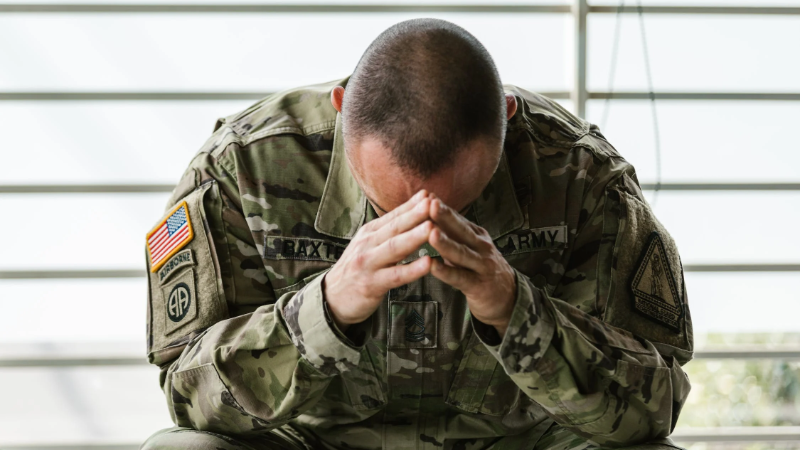
Traumatic experiences often result in symptoms such as intrusive memories, hypervigilance, emotional numbing, avoidance behaviors, sleep disturbances, and other symptoms associated with post-traumatic stress disorder (PTSD). These reactions are not simply expressions of sadness or stress; they represent significant disruptions in emotional and physiological functioning.
The concern about overusing trauma arises when experiences such as uncomfortable conversations, workplace conflicts, breakups, criticism, disappointments, or everyday stressors are routinely described as traumatic. While these experiences can certainly be painful, they do not necessarily meet clinical definitions of trauma.
Why Experts Are Concerned About Overusing Trauma
Many clinicians support trauma-informed care while simultaneously expressing concern about overusing trauma as a catch-all label for emotional discomfort. Language shapes how people understand themselves and their experiences. When all forms of distress are categorized as trauma, important distinctions between different types of suffering can become blurred.
Psychologist Richard McNally (2022) argues that expanding the definition of trauma too broadly may unintentionally encourage people to interpret normal adversity through a pathological lens. Human beings naturally experience rejection, grief, failure, embarrassment, conflict, uncertainty, and disappointment. These experiences can be intensely painful without constituting psychological trauma.
If every difficult experience is viewed as traumatic, people may become less likely to recognize their own capacity for adaptation and resilience. In some cases, this may contribute to greater vulnerability rather than greater psychological strength.
The Social Media Effect on Overusing Trauma

Social media has played a major role in the popularization of mental health terminology. Platforms such as TikTok, Instagram, YouTube, and Facebook have made psychological concepts more accessible than ever before. While this has increased public awareness, it has also encouraged the rapid spread of simplified interpretations of complex clinical concepts.
Terms such as trauma, triggering, gaslighting, narcissism, emotional abuse, and toxic relationships are often used loosely online. Short-form content rarely allows for nuanced discussion of diagnostic criteria or contextual factors. As a result, many people encounter psychological concepts through influencers and viral posts rather than through evidence-based education.
This environment can contribute to overusing trauma because emotionally compelling narratives tend to attract more attention than nuanced discussions of psychological distinctions.
Overusing Trauma and the Medicalization of Normal Emotions
One consequence of overusing trauma may be the medicalization of ordinary emotional experiences. Throughout history, people have faced challenges such as heartbreak, grief, disappointment, social rejection, uncertainty, and loss. These experiences are often painful, but they are also part of the human condition.
Not every unpleasant emotion requires a clinical explanation. Sadness after a breakup is not necessarily depression. Nervousness before a presentation is not necessarily an anxiety disorder. Discomfort during a difficult conversation is not necessarily trauma.
When ordinary emotional reactions are routinely interpreted as symptoms of psychological injury, people may become less comfortable tolerating normal emotional discomfort. Yet emotional growth often occurs through learning how to navigate difficult feelings rather than avoiding them.
How Overusing Trauma May Affect Resilience
Resilience refers to the ability to adapt to challenges, recover from setbacks, and continue functioning despite adversity. Contrary to popular belief, resilience is not the absence of distress. Rather, it is the capacity to move through distress while maintaining psychological flexibility.
Some researchers worry that overusing trauma may inadvertently undermine resilience by encouraging people to view themselves primarily through the lens of vulnerability. If every setback is interpreted as traumatic, opportunities to develop coping skills and adaptive responses may be overlooked.
This does not mean that people should suppress their emotions or ignore their suffering. Instead, it suggests that accurately labeling experiences can support healthier responses. Recognizing the difference between trauma and discomfort allows people to respond appropriately to each type of challenge.
What Mindfulness-Based Ecotherapy Can Teach Us About Emotional Pain
Mindfulness-Based Ecotherapy offers a valuable perspective on the debate surrounding overusing trauma. Rather than focusing exclusively on diagnostic labels, this approach encourages people to develop awareness of their thoughts, emotions, bodily sensations, and relationship with the natural world.
From a mindfulness perspective, emotional pain is not automatically viewed as pathology. Feelings such as sadness, anxiety, grief, frustration, loneliness, and disappointment often contain valuable information about unmet needs, changing circumstances, or life transitions.
Nature-based mindfulness practices help people learn to observe emotional experiences without immediately categorizing them as disorders or injuries. Sitting quietly beside a stream, walking mindfully through a forest, or simply observing natural cycles can foster a broader perspective on suffering and healing.
Mindfulness-Based Ecotherapy recognizes that genuine trauma exists and deserves appropriate treatment. At the same time, it encourages people to differentiate between trauma, stress, grief, discomfort, and ordinary human struggle. Such distinctions can support both self-compassion and resilience.
Moving Beyond Overusing Trauma Toward a More Balanced Understanding
The goal is not to stop talking about trauma. Increased awareness has helped countless people understand their experiences and seek effective treatment. Trauma-informed care remains an important advancement in mental health practice.
However, a balanced approach requires recognizing that not all suffering is trauma. Human beings experience a wide spectrum of emotional challenges, ranging from everyday disappointments to life-altering traumatic events. Understanding these differences allows us to respond with greater precision, compassion, and wisdom.
Rather than asking whether emotional pain is real, the more useful question may be whether our language accurately reflects the nature of that pain. By avoiding the overuse of trauma while still validating genuine suffering, we can create a culture that supports both healing and resilience.

References
American Psychiatric Association. (2022). Diagnostic and statistical manual of mental disorders (5th ed., text rev.). American Psychiatric Publishing.
McNally, R. J. (2022). The return of trauma. Harvard University Press.
Summerfield, D. (2001). The invention of post-traumatic stress disorder and the social usefulness of a psychiatric category. BMJ, 322(7278), 95–98. https://doi.org/10.1136/bmj.322.7278.95
The Mindful Ecotherapy Center on YouTube
Subscribe to the Mindful Ecotherapy Center’s YouTube channel to bring peace, presence, and healing into your daily life. Our videos guide you through mindfulness-based ecotherapy practices, including forest bathing, tree planting rituals, nature meditations, and reflective exercises for grief, stress, and emotional well-being.
Whether you’re seeking to reconnect with the natural world, cultivate inner calm, or find restorative tools for personal growth, our content offers practical guidance, inspiration, and community support. Join us to explore the transformative power of nature and mindfulness, and start your journey toward balance, resilience, and deeper connection today!
Share Your Thoughts!
What do you think? Share your thoughts in the comments below! And don’t forget to subscribe to our newsletter!