In this post…
The top ten mental disorders are health challenges that are a growing concern worldwide, with millions of individuals affected by them. While traditional therapies are highly effective, incorporating mindfulness-based ecotherapy (MBE) offers a unique, nature-centered approach to enhancing mental health. This post explores the top ten mental disorders and how MBE can play a transformative role in treatment.
1. Anxiety Disorders
By far the number one type of mental disorder, anxiety disorders, including generalized anxiety disorder (GAD), social anxiety, and panic disorders, affect over 40 million adults in the United States annually. These conditions manifest as excessive worry, fear, and physical symptoms like a racing heart.
How MBE Helps:
Mindfulness-based ecotherapy encourages grounding techniques and exposure to nature, which reduces anxiety. Activities like forest bathing and mindful walking help regulate breathing and calm the mind.
2. Depression
Depression, the number two most common mental disorder, is characterized by persistent sadness, fatigue, and loss of interest in activities. Depression is a leading cause of disability worldwide.
How MBE Helps:
Being in natural settings stimulates the production of serotonin and dopamine, hormones responsible for mood regulation. Mental disorders like depression are caused by a deficit of these hormones. Nature-based mindfulness exercises promote a sense of connection and purpose, alleviating depressive symptoms.
3. Bipolar Disorder
Bipolar disorder involves dramatic shifts in mood, energy, and activity levels, alternating between manic and depressive episodes. In many cases, bipolar disorder is a debilitating mental disorder unless properly treated.
How MBE Helps:
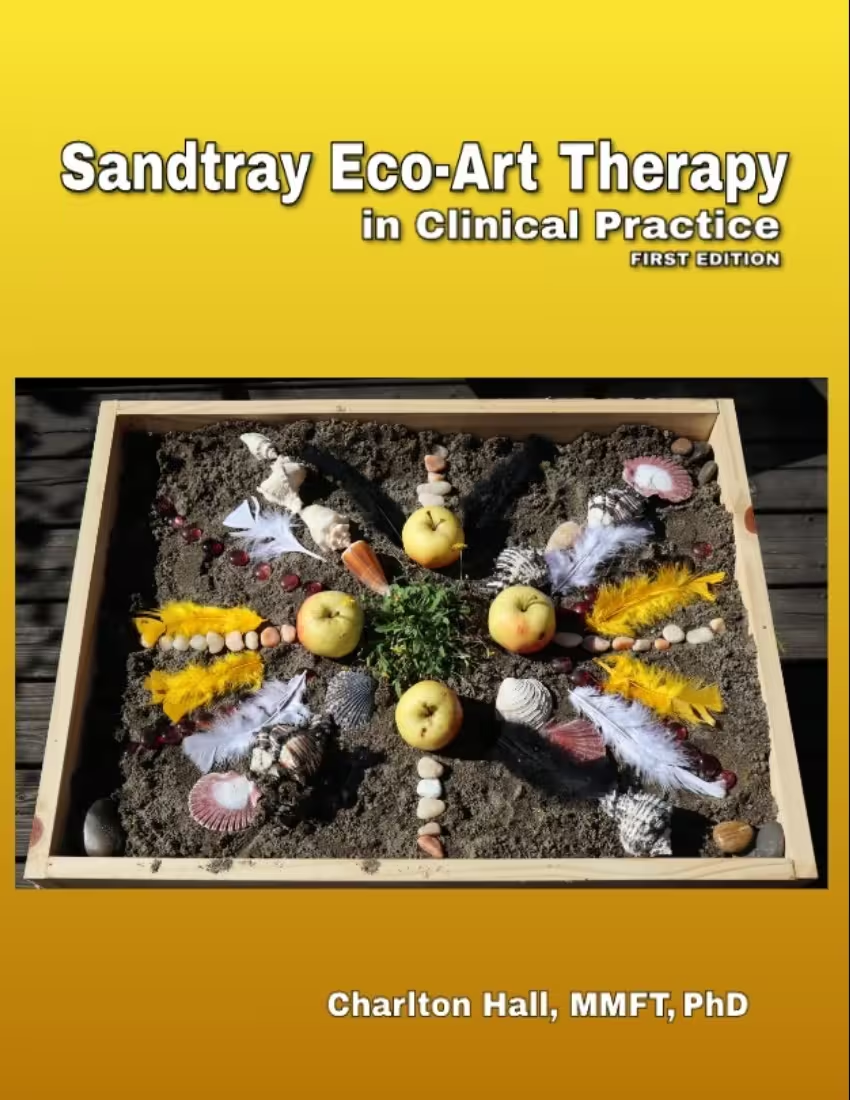
Mindfulness techniques in natural settings help individuals recognize early signs of mood shifts. Practicing eco-art therapy, such as creating mandalas from natural materials, fosters emotional stability and self-expression.
4. Obsessive-Compulsive Disorder (OCD)
OCD is marked by intrusive thoughts and repetitive behaviors. People with OCD often struggle with stress and perfectionism.
How MBE Helps:
Mindfulness practices encourage acceptance of intrusive thoughts without judgment. Ecotherapy activities like gardening promote a healthy focus and reduce compulsive tendencies.
5. Post-Traumatic Stress Disorder (PTSD)
PTSD develops after exposure to traumatic events, leading to flashbacks, nightmares, and heightened anxiety.
How MBE Helps:
Nature therapy provides a safe space to process trauma. Techniques, like guided mindfulness meditations in calming natural environments, reduce hyperarousal and promote a sense of safety.
6. Eating Disorders
Conditions such as anorexia, bulimia, and binge eating disorder stem from unhealthy relationships with food and body image.
How MBE Helps:
Practicing mindfulness outdoors encourages body positivity and self-compassion. Mindful eating exercises, such as savoring natural foods during picnics, reconnect individuals with the joy of nourishment.
7. Attention Deficit Hyperactivity Disorder (ADHD)
ADHD affects attention, impulsivity, and hyperactivity, making it difficult for individuals to focus or stay organized.
How MBE Helps:
Nature-based activities help improve focus and reduce overstimulation. Structured outdoor games that require attention and teamwork can enhance cognitive skills in children and adults with ADHD.
8. Substance Use Disorders
Substance use disorders involve dependence on drugs or alcohol, often as a coping mechanism for underlying mental health issues.
How MBE Helps:
Ecotherapy provides alternative coping strategies by fostering resilience and emotional regulation. Activities like hiking and journaling in nature aid in recovery by building self-worth and creating healthier routines.
9. Schizophrenia
Schizophrenia is a severe mental disorder involving hallucinations, delusions, and disorganized thinking.
How MBE Helps:
While not a replacement for medical treatment, mindfulness in nature can help reduce stress and improve social interactions. Ecotherapy sessions in group settings encourage connection and reduce isolation.
10. Borderline Personality Disorder (BPD)
BPD is characterized by emotional instability, fear of abandonment, and difficulty maintaining relationships.
How MBE Helps:
Mindfulness-based ecotherapy helps individuals with BPD develop emotional regulation skills. Mindful observation of nature, such as watching flowing water, mirrors the process of letting emotions pass without acting on them.
Why Mindfulness-Based Ecotherapy Works
MBE integrates mindfulness with ecotherapy principles, promoting healing through nature’s therapeutic power. Key benefits include:
- Stress Reduction: Time in nature lowers cortisol levels.
- Enhanced Mood: Natural environments boost serotonin production.
- Improved Focus: Mindfulness practices foster attention and clarity.
- Community Connection: Group ecotherapy fosters support and reduces loneliness.
Incorporating MBE into Mental Health Treatment
Mindfulness-based ecotherapy complements traditional therapies and can be tailored to individual needs. Simple practices include:
- Mindful Breathing in Nature: Focus on your breath while surrounded by trees.
- Eco-Art Therapy: Use natural materials to create expressive art.
- Nature Journaling: Reflect on feelings while observing your environment.
- Forest Bathing: Immerse yourself in the sights and sounds of a forest.
Conclusion
The challenges posed by mental disorders require innovative and holistic approaches to treatment. Mindfulness-based ecotherapy offers a bridge between modern therapy and nature’s timeless wisdom, providing tools for healing, connection, and personal growth.
By integrating MBE into mental health care, individuals can rediscover balance, resilience, and a renewed sense of purpose. Explore this transformative approach to see how it can improve mental health and well-being.
Share Your Thoughts!
What do you think? Share your thoughts in the comments below!
And don’t forget to subscribe to our newsletter!