Posted on Leave a comment

Join the SUD Group: 1x per Week Transformative Online Support for WA and SC Residents

SUD Group

Since 2005, Charlton Hall, MMFT, PhD, has been at the forefront of evidence-based treatment for Substance Use Disorder (SUD). With over two decades of experience, Dr. Hall has combined traditional therapeutic methods with innovative approaches, creating a supportive and effective pathway for people seeking recovery. The Mindful Ecotherapy Center is excited to announce a new SUD Group for residents of Washington State and South Carolina, launching in May 2026.

Evidence-Based SUD Group Treatment

This upcoming online group provides a safe, structured space for participants to explore their recovery journey while connecting with others facing similar challenges. Dr. Hall integrates a variety of proven therapeutic approaches, including Acceptance and Commitment Therapy (ACT), Cognitive Behavioral Therapy (CBT), Dialectical Behavior Therapy (DBT), and Mindfulness-Based Ecotherapy. This combination allows participants not only to address the psychological and behavioral aspects of SUD but also to cultivate awareness, self-compassion, and resilience through nature-inspired mindfulness practices.

As a trained SMART Recovery facilitator, Dr. Hall brings a strengths-based, self-empowering approach to the SUD Group. His background includes serving as a Volunteer Advisor for South Carolina from 2011 to 2020, supporting local recovery communities and fostering peer-based engagement. This experience informs his online group facilitation, emphasizing accountability, peer support, and practical tools that participants can integrate into daily life.

Weekly SUD Group

The SUD Group will meet virtually, allowing residents of Washington State and South Carolina to participate without the constraints of geography. Sessions will provide structured discussions, guided mindfulness exercises, and actionable strategies for managing cravings, coping with triggers, and maintaining long-term recovery. Participants will have the opportunity to ask questions, share experiences, and learn from Dr. Hall’s expertise, all within a confidential and supportive environment.

Pre-Registration for the SUD Group Now Open!

Pre-registration for the group is now open. Limited to the first 20 participants, so register to save your spot today! Using the form below, interested participants can reserve a spot and receive updates about session schedules and materials. Early registration ensures access to all preparatory resources and allows participants to begin their recovery journey with confidence.

Mindfulness-Based Ecotherapy forms a cornerstone of the SUD Group experience. By integrating movement, nature observation, and reflective exercises, participants cultivate present-moment awareness and emotional regulation skills that support sustainable recovery. This holistic approach complements traditional therapies like ACT, CBT, and DBT, creating a comprehensive model that addresses both mind and body.

Additional Resources on the Website and Our YouTube Channel

Dr. Hall’s commitment to the recovery community is further demonstrated through his work on digital platforms. For additional resources, educational videos, and guided exercises, the Mindful Ecotherapy Center’s YouTube channel offers a rich library of content designed to complement the SUD Group experience. Visit Mindful Ecotherapy Center YouTube to explore these resources, and check out the Mindful Ecotherapy Center website for more information on courses, workshops, and upcoming programs.

Whether you are in the early stages of recovery, seeking support for maintaining sobriety, or interested in learning tools to prevent relapse, the SUD Group provides a compassionate, evidence-based environment tailored to your needs. By participating, you are joining a community dedicated to personal growth, emotional resilience, and meaningful connections.

Don’t wait to take this important step. Pre-register today and begin your journey with the guidance and expertise of Charlton Hall, MMFT, PhD, and the Mindful Ecotherapy Center. Recovery is not a solitary path. You don’t have to do it alone! Our SUD Group ensures you are supported every step of the way.

Insurance Plans Accepted

We accept the following insurance plans. A listing here is not a guarantee of payment by your insurance carrier. Check with your particular policy requirements prior to enrolling.

Charlton Hall, MMFT, PhD, currently accepts the following insurances:

Private-pay options are also available on a sliding fee scale.
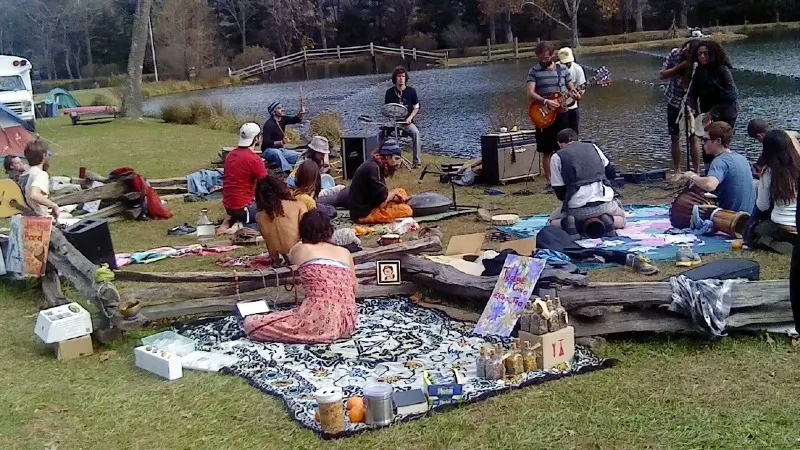
Pre-register for the SUD Group below and reserve your spot for May 2026.


Posted on

Substance Abuse Recovery with Mindfulness-Based Ecotherapy: A Holistic Approach

substance abuse Recovery

Substance abuse is a complex condition that affects the mind, body, and spirit. While traditional treatment approaches like therapy, medication, and 12-step programs have proven effective, many individuals seeking recovery also benefit from holistic methods that address the deeper roots of substance abuse. Mindfulness-Based Ecotherapy (MBE) is an innovative approach that integrates mindfulness practices with nature-based healing to support individuals on their journey to recovery. By fostering a deep connection with the natural world, MBE helps individuals develop self-awareness, emotional regulation, and resilience—key factors in overcoming addiction.

Understanding Substance Abuse and the Need for Holistic Healing

Substance abuse is not just a physical dependency; it is also a psychological and emotional struggle. Many people turn to substances or behaviors as a way to cope with stress, trauma, or unresolved emotions. Traditional treatments often focus on managing withdrawal symptoms and modifying behavior, but they may not fully address the emotional wounds that fuel addictive patterns.

Holistic approaches to substance abuse recovery, such as MBE, aim to heal the whole person rather than just treating the symptoms. Research has shown that spending time in nature and practicing mindfulness can significantly reduce stress, anxiety, and depression—common triggers for relapse (Berman et al., 2012).

How Mindfulness-Based Ecotherapy Supports Substance Abuse Recovery

MBE combines the principles of mindfulness with the therapeutic benefits of nature. Here’s how it can aid in substance abuse recovery:

1. Stress Reduction and Emotional Regulation

Stress is one of the leading causes of substance abuse and relapse. MBE helps individuals develop mindfulness techniques such as deep breathing, grounding exercises, and meditation in natural settings. Exposure to green spaces has been found to lower cortisol levels, the body’s primary stress hormone, reducing overall anxiety and promoting relaxation (Bratman et al., 2015).

2. Increased Self-Awareness and Mindful Living

One of the biggest challenges in substance abuse recovery is learning to respond to cravings in a healthy way. Through mindfulness practices like forest bathing (Shinrin-Yoku) and nature meditation, individuals become more aware of their thoughts and triggers without reacting impulsively. This self-awareness empowers them to make healthier choices and develop a sense of control over their actions (Pritchard et al., 2020).

3. Healing Trauma and Emotional Wounds

Many individuals struggling with substance abuse have experienced past trauma. MBE encourages deep reflection and emotional processing in a safe, nurturing environment. Nature-based therapy has been shown to decrease symptoms of post-traumatic stress disorder (PTSD) and increase overall emotional well-being (Sahlin et al., 2014).

4. Rebuilding a Sense of Connection

Substance abuse often leads to isolation, damaging relationships and cutting individuals off from their support systems. MBE fosters a sense of connection—not only with nature but also with oneself and the larger community. Group therapy sessions conducted outdoors can promote a sense of belonging and shared healing.

5. Encouraging Healthy Lifestyle Changes

Recovery is not just about abstaining from substances but also about adopting a healthier lifestyle. Activities like hiking, gardening, and wilderness therapy provide a natural way to stay active, improve mood, and reduce cravings. Studies have shown that people who engage in regular outdoor activities are more likely to maintain long-term sobriety (Pretty et al., 2017).

Implementing Mindfulness-Based Ecotherapy in Substance Abuse Recovery

If you or a loved one is in recovery and looking to incorporate MBE, here are some practical ways to get started:

  • Daily Nature Walks – Spend at least 30 minutes outdoors, practicing mindful breathing and observing your surroundings.
  • Forest Bathing (Shinrin-Yoku) – Immerse yourself in a natural setting, focusing on the sights, sounds, and sensations around you.
  • Journaling in Nature – Reflect on your emotions, triggers, and progress while sitting in a peaceful outdoor space.
  • Grounding Exercises – Engage in barefoot walking, tree-hugging, or sitting on the earth to reconnect with nature’s healing energy.
  • Outdoor Group Therapy or Support Meetings – Join a mindfulness-based recovery group that meets in natural settings.

Conclusion

Mindfulness-Based Ecotherapy offers a powerful, holistic approach to substance abuse recovery by addressing the emotional, psychological, and physical aspects of healing. Through mindfulness, self-awareness, and a deep connection with nature, individuals in recovery can find peace, resilience, and long-term sobriety. While MBE is not a replacement for traditional substance abuse treatment, it serves as a valuable complement, helping individuals build a strong foundation for lasting recovery.

If you’re looking for a natural and effective way to support your healing journey, consider incorporating MBE into your recovery plan. The path to sobriety is not just about breaking free from substance abuse—it’s about rediscovering yourself and finding solace in the world around you.

References

  • Berman, M. G., Jonides, J., & Kaplan, S. (2012). The cognitive benefits of interacting with nature. Psychological Science, 19(12), 1207–1212.
  • Bratman, G. N., Hamilton, J. P., Hahn, K. S., Daily, G. C., & Gross, J. J. (2015). Nature experience reduces rumination and subgenual prefrontal cortex activation. Proceedings of the National Academy of Sciences, 112(28), 8567-8572.
  • Pretty, J., Rogerson, M., & Barton, J. (2017). Green mind theory: How brain-body-behaviour links into natural and social environments for healthy habits. International Journal of Environmental Research and Public Health, 14(7), 706.
  • Pritchard, A., Richardson, M., Sheffield, D., & McEwan, K. (2020). The relationship between nature connectedness and eudaimonic well-being: A meta-analysis. Journal of Happiness Studies, 21(3), 1145-1167.
  • Sahlin, E., Ahlborg, G., Matuszczyk, J. V., & Grahn, P. (2014). Nature-based stress management for psychiatric disorders and stress-related long-term sick leave: A pilot study. International Journal of Environmental Research and Public Health, 11(6), 6457-6475.

Share Your Thoughts!

Have you ever used Mindfulness-Based Ecotherapy for substance abuse recovery? What’s your experience with it? Share your thoughts in the comments below!

Don’t forget to check out our YouTube channel!


Schedule a Teletherapy Appointment with Charlton Hall, MMFT, PhD, LMFT

For those seeking personalized guidance in incorporating Mindfulness-Based Ecotherapy into their lives, Charlton Hall, MMFT, PhD, LMFT, offers professional teletherapy sessions. With extensive expertise in MBE, Dr. Hall provides tailored strategies to help individuals overcome insomnia and achieve restorative sleep.

How to Schedule an Appointment:

  1. Visit the Mindful Ecotherapy Center Website to find more information about Dr. Hall’s approach to sleep wellness and mindfulness-based therapies.
  2. Book a Consultation – Easily schedule a teletherapy session that fits your availability.
  3. Receive Expert Guidance – Work one-on-one with Dr. Hall to develop a personalized sleep-improvement plan using MBE techniques.

By integrating Mindfulness-Based Ecotherapy into your daily routine, you can naturally enhance your sleep quality, reduce stress, and achieve long-term wellness.


Schedule an Appointment Today!

Ready to take the next step? Schedule a session with Charlton Hall today and start your journey to better sleep through the healing power of nature.