Posted on

Build Emotional Resilience and Inner Strength with MBE

emotional resilience

Life is full of challenges, and developing emotional resilience is key to navigating stress, adversity, and change. Emotional resilience is the ability to adapt and recover from difficulties, maintaining a sense of inner strength and stability despite life’s ups and downs. While some people naturally possess higher resilience, it is a skill that can be cultivated through intentional practices.

Mindfulness-Based Ecotherapy (MBE) offers a powerful, nature-centered approach to strengthening emotional resilience. By combining mindfulness techniques with the therapeutic effects of nature, MBE helps individuals develop coping mechanisms, reduce stress, and foster inner strength. This post explores the role of emotional resilience, the impact of nature on mental health, and how MBE can be a transformative tool for personal growth.

Understanding Emotional Resilience

Emotional resilience is not about avoiding stress or hardship—it’s about developing the capacity to face challenges with a sense of balance and strength. Resilient individuals tend to:

  • Recover more quickly from setbacks.
  • Maintain emotional stability in difficult situations.
  • Adapt to change with greater ease.
  • Develop problem-solving skills rather than feeling overwhelmed.
  • Cultivate self-compassion and a positive mindset.

However, many factors can weaken resilience, including chronic stress, trauma, lack of social support, and negative thought patterns. This is where Mindfulness-Based Ecotherapy can help.

How Nature Supports Emotional Resilience

Nature has long been recognized for its healing properties, offering a refuge from the pressures of modern life. Studies have shown that spending time in natural environments can:

  • Lower cortisol levels, reducing stress and anxiety.
  • Improve mood and emotional regulation.
  • Enhance cognitive function and creativity.
  • Promote a sense of connection and purpose.
  • Encourage mindfulness by engaging the senses.

By integrating mindfulness practices with nature, MBE amplifies these benefits, helping individuals cultivate emotional resilience in a holistic and sustainable way.

How Mindfulness-Based Ecotherapy Builds Inner Strength

Mindfulness-Based Ecotherapy incorporates structured exercises that blend mindfulness techniques with direct engagement with nature. Here’s how MBE fosters emotional resilience and inner strength:

1. Encourages Present-Moment Awareness

Resilience begins with awareness—understanding emotions without being consumed by them. MBE encourages individuals to be fully present in their experiences, reducing rumination on past hardships or anxiety about the future. Activities such as mindful walking, observing nature, or grounding exercises help train the mind to stay present and focused.

2. Develops Stress Management Skills

MBE provides effective strategies for managing stress and emotional overwhelm. Breathing techniques, sensory awareness exercises, and meditation in natural settings help regulate the nervous system, reducing reactivity to stressors. Over time, these practices build an inner sense of calm, making it easier to respond to challenges with clarity.

3. Strengthens Self-Compassion and Acceptance

Resilient individuals practice self-compassion rather than self-criticism. MBE fosters self-acceptance by encouraging individuals to observe their thoughts and emotions without judgment. Just as nature accepts change—seasons shifting, storms passing—MBE teaches that emotions, too, are temporary and manageable.

4. Enhances Problem-Solving and Adaptability

Nature itself is a model of resilience. Plants grow through obstacles, rivers carve their paths, and ecosystems adapt to change. MBE encourages individuals to learn from nature’s adaptability, helping them shift perspectives and approach challenges with creative problem-solving skills.

5. Promotes Emotional Regulation Through Nature Connection

Spending time in nature has been shown to enhance emotional balance. The simple act of observing a flowing stream, feeling the breeze, or listening to birds can have a profound calming effect. MBE harnesses this by incorporating nature immersion techniques, allowing individuals to reset their emotional state and build resilience to daily stressors.

6. Fosters a Sense of Community and Support

Resilience is strengthened by social connections. MBE often involves group activities such as mindful hiking, outdoor meditation circles, or nature retreats, fostering a sense of belonging and support. Shared experiences in nature help build trust, empathy, and emotional strength within a community setting.

7. Encourages a Growth Mindset

A growth mindset—the belief that challenges lead to personal development—is essential for resilience. MBE helps cultivate this mindset by promoting reflection on how difficulties can lead to personal growth. Journaling exercises, guided nature meditations, and gratitude practices reinforce a positive outlook on life’s challenges.

Practical Mindfulness-Based Ecotherapy Practices for Resilience

If you want to use MBE to enhance your emotional resilience, try these simple but effective practices:

  1. Grounding Exercise in Nature – Stand barefoot on the grass, sand, or soil. Close your eyes, take deep breaths, and feel the connection between your body and the earth. This stabilizes emotions and promotes a sense of security.
  2. Mindful Walking in a Natural Setting – Walk slowly through a park, forest, or beach, paying attention to your senses. Notice the colors, textures, and sounds around you. This trains the mind to stay present and reduces anxiety.
  3. Tree Meditation for Strength – Sit under a tree, feeling its stability and rooted presence. Visualize yourself growing strong like the tree, adapting to challenges while remaining grounded.
  4. Nature Journaling – Write about your experiences in nature, focusing on resilience metaphors. How does a river persist despite obstacles? How do trees withstand storms? Relating these natural processes to your own life fosters inner strength.
  5. Breathing with Nature – Find a quiet outdoor space and practice deep breathing. Inhale as you visualize absorbing the energy of nature, and exhale stress and negativity. This simple practice resets the nervous system and promotes emotional balance.
  6. Group Ecotherapy Activities – Join a nature meditation group, volunteer for environmental causes, or participate in mindful gardening. Engaging with a like-minded community reinforces emotional resilience through shared experiences.

Final Thoughts

Emotional resilience is not about avoiding difficulties but about developing the strength to navigate them with confidence and stability. Mindfulness-Based Ecotherapy provides a powerful framework for cultivating this resilience by integrating mindfulness, self-awareness, and the healing power of nature.

By regularly practicing MBE techniques, individuals can strengthen their ability to cope with stress, regulate emotions, and maintain inner strength in the face of adversity. Whether through mindful walking, grounding exercises, or nature-based meditation, the path to emotional resilience starts with connecting to the present moment—and to the world around us.

Are you interested in exploring MBE for resilience? Share your thoughts in the comments!

Share Your Thoughts!

Please feel free to share your thoughts in the comments below!

Don’t forget to check out our YouTube channel for more information and content!


Schedule a Teletherapy Appointment with Charlton Hall, MMFT, PhD, LMFT

For those seeking personalized guidance in incorporating Mindfulness-Based Ecotherapy into their lives, Charlton Hall, MMFT, PhD, LMFT, offers professional teletherapy sessions. With extensive expertise in MBE, Dr. Hall provides tailored strategies to help individuals overcome insomnia and achieve restorative sleep.

How to Schedule an Appointment

  1. Visit the Mindful Ecotherapy Center Website to find more information about Dr. Hall’s approach to sleep wellness and mindfulness-based therapies.
  2. Book a Consultation – Easily schedule a teletherapy session that fits your availability.
  3. Receive Expert Guidance – Work one-on-one with Dr. Hall to develop a personalized sleep-improvement plan using MBE techniques.

By integrating Mindfulness-Based Ecotherapy into your daily routine, you can naturally enhance your sleep quality, reduce stress, and achieve long-term wellness.


Schedule an Appointment Today!

Ready to take the next step? Schedule a session with Charlton Hall today and start your journey to better sleep through the healing power of nature.


Posted on

Mindful Acceptance: Letting Go with Mindfulness-Based Ecotherapy

mindful acceptance

“Never underestimate your power to change yourself; never overestimate your power to change others.”

— H. Jackson Brown, Jr.

One of the most powerful skills in mindfulness-based ecotherapy is mindful acceptance. Mindful acceptance is the art of letting go of unnecessary suffering while remaining fully present with life as it is. Unlike some approaches that focus only on changing thoughts or managing symptoms internally, mindfulness-based ecotherapy (MBE) emphasizes reconnecting with the natural world, the body, the senses, and the present-moment experience as pathways toward healing and resilience.

Mindfulness-based ecotherapy differs from many traditional mindfulness practices because it does not view mindfulness as something that occurs only inside the mind. Instead, MBE recognizes that humans are part of an interconnected ecological system. Healing happens not only through awareness of thoughts and emotions, but also through restoring a relationship with the earth, the body, community, and the rhythms of nature itself.

The skill of mindful acceptance teaches you to recognize the difference between what you can change and what you cannot. Once you have done everything realistically within your power to address a problem, continued anxiety and rumination no longer serve a useful purpose. At that point, mindful acceptance asks you to loosen your grip on the stress attached to the situation.

Mindful Acceptance Doesn’t Mean Giving Up

Importantly, letting go of anxiety does not necessarily mean giving up on solving the problem.

Suppose you have a car payment due and you do not currently have the money to pay it. Naturally, this situation may trigger fear, worry, and stress. You may brainstorm solutions, ask for help, reduce expenses, or search for additional income. However, once you have taken every practical step available in the present moment, the constant cycle of worry becomes emotionally exhausting and often counterproductive.

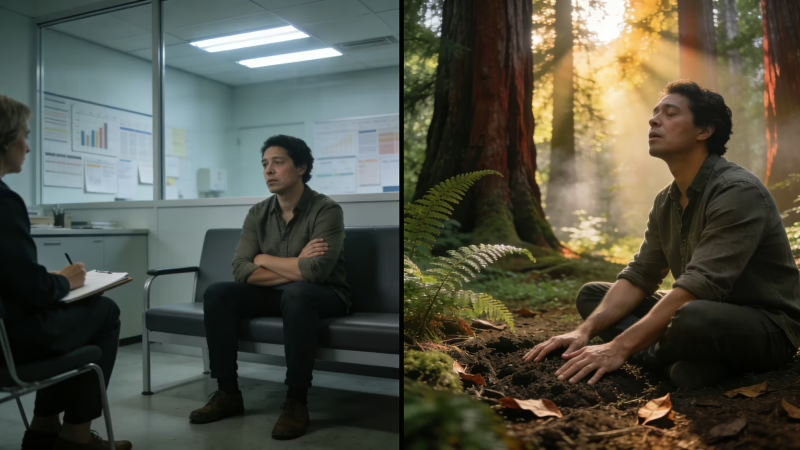
In mindfulness-based ecotherapy, one of the twelve core skills involves learning to observe your thoughts and feelings nonjudgmentally while grounding yourself in sensory awareness. You might sit outdoors beneath a tree, feel your feet on the earth, notice the movement of the wind, or listen to birdsong while observing the anxious thoughts moving through your awareness. Nature becomes an anchor that reminds you that life continues unfolding even during uncertainty.

Unlike purely cognitive approaches that may focus primarily on changing thought patterns, MBE integrates embodied awareness and ecological connection. The natural world helps regulate the nervous system by drawing your attention away from repetitive mental loops and back into the present moment.

Mindful Acceptance, Observing, and Describing

Another essential MBE skill is mindful observing. Instead of immediately reacting to anxiety, you learn to notice it with curiosity. What does the anxiety feel like in your body? Is your chest tight? Is your breathing shallow? Are your thoughts racing toward worst-case scenarios? By observing rather than fighting the experience, you create space between yourself and the anxiety.

This space allows you to make conscious decisions rather than reacting automatically.

The same principle applies in relationships. Imagine you feel disconnected from your partner because they rarely spend time with you. You suggest activities, initiate conversations, and communicate your feelings honestly, yet nothing changes. Many people respond to this situation by escalating their efforts to control the outcome. They may criticize, plead, withdraw emotionally, or become consumed with resentment.

Mindfulness-based ecotherapy approaches this differently.

Self-Compassion and Mindful Acceptance

One of the MBE skills involves recognizing the limits of personal control while strengthening self-awareness and self-compassion. You cannot force another person to change. However, you can change how you respond internally and externally. Practicing mindful acceptance means acknowledging your sadness, frustration, or disappointment without allowing those emotions to dominate your life.

In ecotherapy, the natural world often serves as a mirror for this process. Seasons change without resistance. Trees release leaves when it is time to let go. Rivers flow around obstacles instead of endlessly struggling against them. Nature teaches flexibility, adaptation, and resilience.

This ecological perspective is one of the major ways MBE differs from other mindfulness approaches. While many mindfulness practices emphasize internal awareness alone, mindfulness-based ecotherapy intentionally uses nature as both teacher and therapeutic partner.

Another of the twelve skills of MBE involves reducing rumination through present-moment sensory grounding. Rumination occurs when the mind repeatedly replays fears, regrets, or imagined future disasters. The more mental energy you feed into these cycles, the stronger they become.

Mindful acceptance interrupts this process.

You may notice the anxious thought arise, acknowledge it compassionately, and then redirect your awareness toward immediate sensory experience: the smell of rain, the warmth of sunlight, the sound of leaves moving in the wind, or the sensation of breathing deeply in fresh air. These practices help regulate emotional overwhelm by reconnecting you with the physical world instead of remaining trapped inside mental narratives.

Anxiety Has a Purpose

Mindfulness-based ecotherapy also recognizes that anxiety itself has a purpose. Anxiety evolved as a protective system designed to alert us to danger. In mindful acceptance, you are not trying to destroy anxiety or suppress difficult emotions. Instead, you learn to relate to them differently.

You might silently say:

“Thank you, anxiety, for trying to protect me. I am listening carefully, but I will also trust my own wisdom.”

This compassionate inner dialogue reflects another MBE principle: developing a collaborative relationship with your emotions instead of waging war against them.

Finally, mindful acceptance teaches that mistakes are not evidence of failure, but growth opportunities. In nature, growth rarely occurs without struggle. Forests regenerate after fires. Rivers carve canyons through persistence over time. Ecosystems adapt continuously to changing conditions.

Human beings are no different.

Every mistake contains information that can deepen wisdom, resilience, and self-understanding. Through mindful acceptance, you learn that healing does not require perfection. It requires awareness, compassion, flexibility, and the willingness to remain present even during uncertainty.

Mindfulness-based ecotherapy reminds you that while you cannot always control life’s circumstances, you can learn to live more peacefully within them. By reconnecting with nature, practicing mindful awareness, and letting go of unnecessary struggle, you create space for healing, growth, and inner balance.


Share Your Thoughts About Mindful Acceptance!

What do you think? Share your thoughts in the comments below!


  And don’t forget to subscribe to our newsletter!