
Table of Contents
You may download the worksheet using the button below.
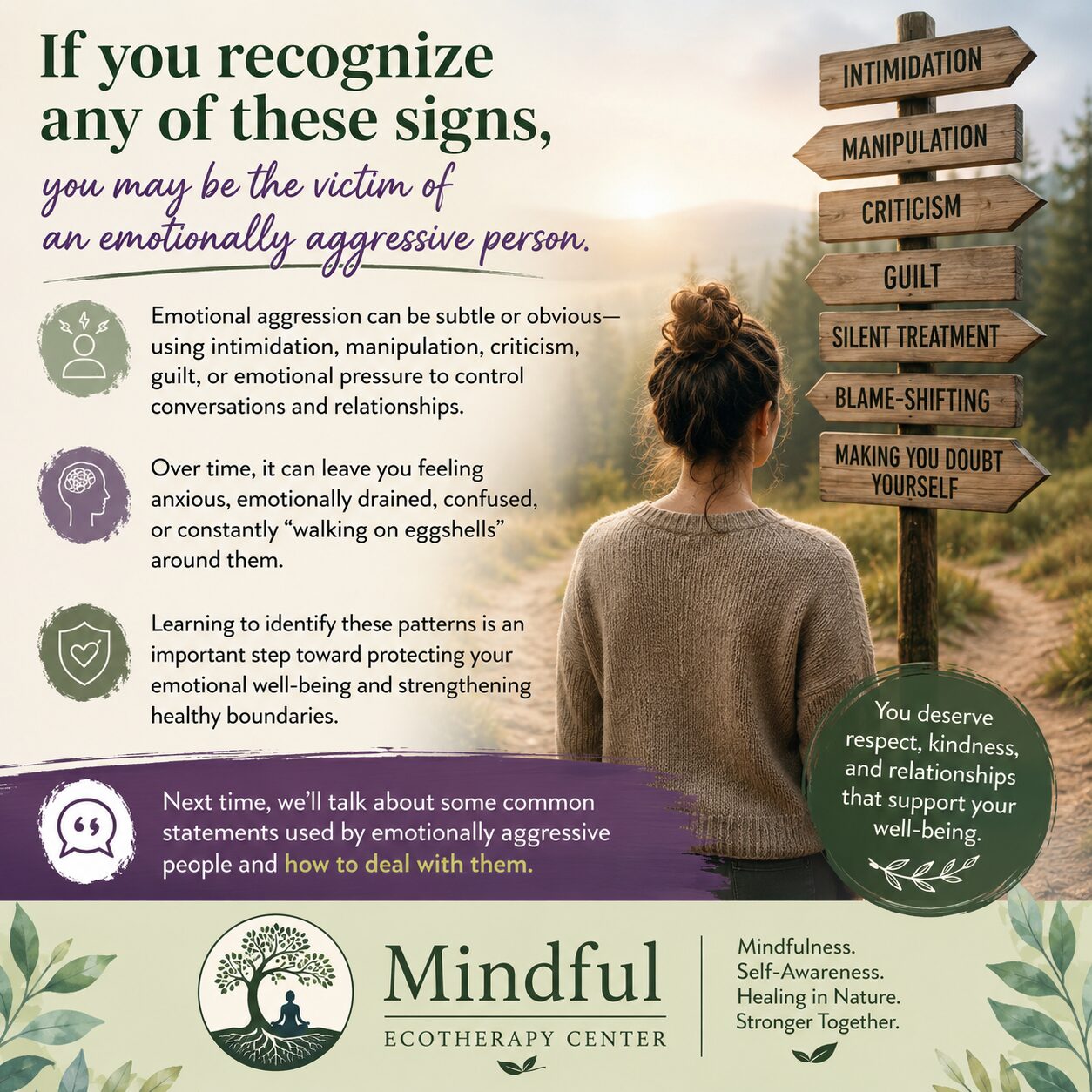
The way to deal with conflict in positive ways is to realize that you are not responsible for anyone’s feelings but your own. If you avoid conflict out of a fear of upsetting others, first ask yourself why you think they would be upset.

Worrying about the emotional reactions others might have in a given situation is usually a sign of poor boundaries with the other person. Either they routinely cross your boundaries, or you routinely cross theirs, and when this happens, the result is usually conflict. Conflict is the root of most emotional aggression. The way to solve this problem is to establish good boundaries in all of your relationships. A sign of poor boundaries is the belief that another can be responsible for your emotional well-being, or that you can be responsible for another’s emotional well-being.
Do You Have Poor Boundaries?
A good rule of thumb when establishing boundaries is to ask yourself, “Am I being asked to do something that I wouldn’t ask (the other person) to do?” If the answer is ‘yes,’ then there’s probably an issue of poor boundaries in the relationship. Here are some signs that you may have poor boundaries with others:
- Conversations on emotional topics result in anxiety and discomfort
- You avoid conflict until things build up, then you explode
- You feel responsible for other people’s feelings
- You’re afraid to say ‘no’
- You feel guilty when you do say ‘no’
- You rarely speak up for yourself because you fear it may lead to conflict
- You sometimes feel disrespected if you do stand up for yourself
- You feel that you’re constantly giving and never getting back
- Others ask you to do things for them that you would never ask them to do for you
If you answered “yes” to more than half of the items above, then you probably have poor boundaries.
Why It’s Important
Why is it important to set boundaries? If we have poor boundaries, we begin to feel responsible for the emotional well-being of others. We may also expect others to be responsible for our emotional well-being. By learning to set healthy boundaries, we minimize frustration, guilt, and anxiety for both ourselves and others. Healthy boundaries keep others from manipulating us, and help us to avoid the temptation to manipulate others.
7 Key Boundary-Setting Phrases
Here are some statements that you may use in your relationship with others to help you practice setting good and healthy boundaries. Use these statements when you feel that one of your boundaries has been crossed, or is about to be crossed:
- “I care about you, but I cannot be responsible for your problems.”
- “I care about you, but right now I need time to be alone.”
- “I will not be the object of your hostility.”
- “Just because I disagree with you, that doesn’t mean I don’t still care about you.”
- “I enjoy spending time with you, but today I have other plans.”
- “I don’t allow others to make me feel guilty about myself.”
- “Even though I disagree with you, I still respect your right to feel the way you feel.”
Core Issues and Compromise Issues
In any relationship, there are core issues, and there are issues that can be compromised upon. A core issue is one in which there can be no compromise. Refusing to accept physical or verbal abuse would be an example of a core issue. It would be ridiculous for an abuser to offer a compromise of, “I’ll only physically abuse you on Tuesdays.” Physical abuse is an issue that is not open to compromise. It is therefore a core issue. Other examples of core issues might include drug abuse, marital infidelity, and verbal or emotional abuse.
A compromise issue, on the other hand, is an issue that you are willing to compromise on. An example of a compromise issue might be the question of where to have lunch with a friend or family member. You might have a lunch preference, but the choice is something that you would be willing to compromise on to some extent.
The way to distinguish a core issue from a compromise issue is that in order to compromise on a core issue, you would have to give up who you are. In other words, you would have to change your core identity. You can set a healthy boundary by refusing to compromise on your core values and your core identity. In mindfulness, we call this core identity your True Self.
Healthy Boundaries
People who lack clear limits often feel used, disrespected, and walked on. It’s easier to establish firm limits at the start of a relationship and then relax them over time than it is to strengthen weak ones. If you catch yourself saying, “I’ll do this just this one time…,” it’s a sign you need to reinforce your personal limits.
You cannot force anyone else to take responsibility for your happiness, and you cannot take responsibility for someone else’s emotional well-being. By setting and maintaining healthy limits, you make life easier for both yourself and those around you.
Share Your Thoughts!
What do you think about setting healthy boundaries? Share your thoughts in the comments below! And don’t forget to subscribe to our newsletter!