
Posted on

Mindfulness-Based Ecotherapy for Grief and Loss

Grief and Loss

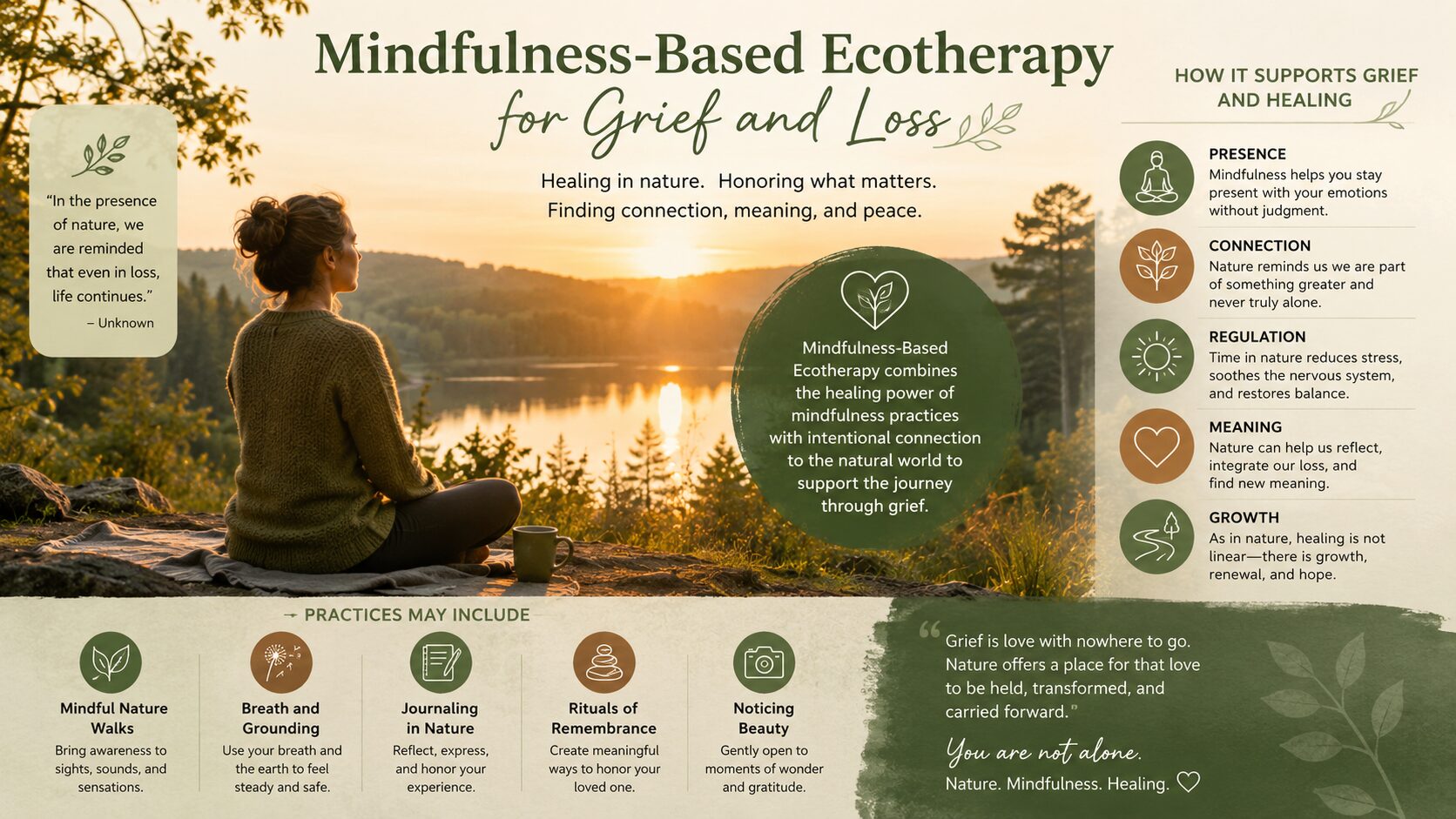
Grief is one of the most profound human experiences. It is a natural response to loss, yet it can feel overwhelming, isolating, and sometimes impossible to navigate. Whether grieving the death of a loved one, the end of a significant relationship, or a major life transition, the emotional and physical toll can be immense. Traditional therapy offers valuable tools, but incorporating nature into the healing process through mindfulness-based ecotherapy can provide a unique, restorative pathway. At the Mindful Ecotherapy Center, we recognize the profound ways that combining mindfulness with connection to the natural world can help people process grief, find emotional balance, and discover meaning in loss.

Understanding Mindfulness-Based Ecotherapy

Mindfulness-based ecotherapy (MBE) is a therapeutic approach that integrates the principles of mindfulness with direct engagement in natural environments. Mindfulness encourages nonjudgmental awareness of the present moment, helping people acknowledge and process emotions without becoming overwhelmed. Ecotherapy emphasizes the restorative benefits of interacting with nature like the calming presence of trees, the sound of flowing water, and the tactile experience of soil, leaves, and plants. When combined, MBE creates a holistic approach that nurtures both mind and body, supporting people as they work through grief and loss.

How Nature Supports the Grieving Process

Nature has an innate capacity to soothe and restore. Scientific studies consistently show that spending time in green spaces can reduce stress, lower blood pressure, and improve mood. For those experiencing grief, natural environments offer a safe and nurturing backdrop for emotional processing. The cycles of nature — growth, decay, and renewal — mirror the human experience of grief, providing symbolic reinforcement that life continues even after loss. Observing a sapling emerge from the soil, watching leaves change with the seasons, or simply listening to birdsong can remind us that healing is a gradual process, and that it is natural to experience both sorrow and hope simultaneously.

Mindfulness Techniques for Grief

Mindfulness provides practical tools for navigating the intensity of grief. Through mindful practices, people can learn to observe their emotions without being consumed by them. For example:

  1. Breath Awareness – Focusing on the breath can help anchor the mind during moments of intense sadness or anxiety. A simple exercise involves inhaling deeply for four counts, holding for four, exhaling for four, and pausing for four, repeating several cycles while observing any accompanying emotions.
  2. Body Scan – A body scan brings attention to physical sensations, which can be heightened during grief. By gently noting tension, pain, or heaviness in different body areas, people develop awareness of how grief manifests physically and can practice releasing stress.
  3. Nature Observation – Engaging the senses in nature encourages mindful attention. Notice the colors of leaves, the texture of bark, the movement of water, or the sounds of birds. This sensory focus can provide relief from ruminative thoughts and allow grief to surface in a manageable way.
  4. Mindful Journaling – Reflecting on emotions while immersed in nature supports self-expression and insight. Writing about memories, feelings, and observations can foster understanding, acceptance, and emotional release.

Integrating Ecotherapy Practices

Mindfulness-based ecotherapy extends beyond sitting in a park or forest. It can include structured activities that connect grief work with environmental engagement:

  • Tree Planting Rituals – Planting a tree in memory of a loved one embodies the principles of both mindfulness and ecotherapy. The act of nurturing a living being serves as a metaphor for honoring life and cultivating growth amidst loss.
  • Forest Bathing (Shinrin-Yoku) – Walking slowly through a forest with mindful attention to the environment encourages deep relaxation, reflection, and emotional regulation. Forest bathing allows people to feel enveloped by the rhythm of the natural world, promoting a sense of peace and connection.
  • Gardening and Soil Work – Tending to plants and working with soil engages the senses and fosters a sense of accomplishment. This hands-on practice reinforces the idea that life persists and can be nurtured even after profound loss.
  • Water-Based Meditation – Sitting by a stream, river, or lake while practicing mindful breathing can provide soothing auditory and visual stimuli that help release emotional tension and invite introspection.

Creating a Mindful Grief Practice

For those seeking to integrate mindfulness-based ecotherapy into their grieving process, consistency is key. Establishing a regular schedule for nature walks, meditation sessions, or ecotherapy activities helps reinforce the mind-body connection and provides predictable opportunities for emotional processing. It can also be helpful to create intentional rituals, such as visiting a meaningful natural site on anniversaries, practicing mindful reflection at sunrise or sunset, or combining journaling with outdoor experiences.

Equally important is self-compassion. Grief is not linear, and some days will be harder than others. Mindfulness encourages acknowledgment of all feelings without judgment, fostering resilience and patience during the healing process.

The Benefits of Mindfulness-Based Ecotherapy for Grief

Research and clinical experience suggest that MBE offers numerous benefits for those experiencing grief:

  • Reduces symptoms of depression, anxiety, and stress.
  • Enhances emotional regulation and resilience.
  • Provides a sense of grounding, calm, and safety.
  • Fosters connection to the larger natural world, promoting meaning and perspective.
  • Encourages reflective and symbolic engagement with loss.
  • Offers opportunities for ritual, remembrance, and legacy-building.

By merging mindfulness with ecotherapy, people are not only addressing grief cognitively or emotionally but also physically, spiritually, and environmentally. This holistic approach acknowledges the interconnectedness of mind, body, and ecosystem, providing a richer, more restorative pathway through loss.

Conclusion

Grief is an inevitable part of the human experience, yet it need not be endured alone or without support. Mindfulness-based ecotherapy provides a compassionate, evidence-informed approach that nurtures healing while connecting people to the grounding, restorative qualities of nature. Whether through tree planting, forest walks, sensory observation, or mindful journaling, these practices invite reflection, presence, and renewal. In honoring our grief through mindful engagement with the natural world, we allow space for both sorrow and hope, embracing the ongoing cycle of life and finding solace in the continuity of existence.

By cultivating awareness, embracing nature, and practicing self-compassion, mindfulness-based ecotherapy transforms grief from a purely painful experience into an opportunity for healing, connection, and remembrance. Through these practices, the loss of a loved one can become a catalyst for deeper awareness, emotional resilience, and profound ecological and spiritual connection.


The Mindful Ecotherapy Center on YouTube

Subscribe to the Mindful Ecotherapy Center’s YouTube channel to bring peace, presence, and healing into your daily life. Our videos guide you through mindfulness-based ecotherapy practices, including forest bathing, tree planting rituals, nature meditations, and reflective exercises for grief, stress, and emotional well-being. Whether you’re seeking to reconnect with the natural world, cultivate inner calm, or find restorative tools for personal growth, our content offers practical guidance, inspiration, and community support. Join us to explore the transformative power of nature and mindfulness, and start your journey toward balance, resilience, and deeper connection today!


Posted on

Dialectical Behavioral Therapy (DBT)

Dialectical Behavioral Therapy (DBT)

Dialectical Behavioral Therapy (DBT) is a transformative therapeutic approach that has been changing lives since its development in the 1970s by Dr. Marsha Linehan. Originally designed to treat individuals with borderline personality disorder (BPD), DBT has since expanded its reach to address a wide range of mental health challenges, including depression, anxiety, post-traumatic stress disorder (PTSD), and substance use disorders. At its core, Dialectical Behavioral Therapy (DBT) is about finding balance—between acceptance and change, between emotional intensity and calm, and between the complexities of life’s challenges and the skills to navigate them.

Charlton Hall, MMFT, PhD, LMFT, has been a dedicated practitioner of DBT since 2008, bringing over a decade of expertise to his work. As a Licensed Marriage and Family Therapist, Dr. Hall has helped countless individuals harness the power of DBT to transform their lives, fostering emotional resilience and healthier relationships.

What is Dialectical Behavioral Therapy?

DBT is a structured form of psychotherapy that combines elements of cognitive-behavioral therapy (CBT) with mindfulness practices. The term “dialectical” refers to the synthesis of opposites, a concept that is central to Dialectical Behavioral Therapy (DBT). This approach acknowledges that life is full of contradictions and that true growth often comes from finding a balance between opposing forces.

DBT is built on four key modules:

  1. Mindfulness: This foundational skill teaches individuals to be present in the moment, fostering awareness and acceptance of their thoughts and emotions without judgment.
  2. Distress Tolerance: This module equips individuals with tools to cope with difficult situations and emotions without resorting to harmful behaviors.
  3. Emotion Regulation: DBT helps individuals understand and manage their emotions, reducing the intensity of negative feelings and increasing emotional stability.
  4. Interpersonal Effectiveness: This module focuses on improving communication and relationship skills, enabling individuals to assert their needs while maintaining respect for others.

The Impact of DBT

One of the reasons Dialectical Behavioral Therapy (DBT) is so effective is its emphasis on both acceptance and change. It validates individuals’ experiences and emotions while also encouraging them to adopt healthier behaviors and thought patterns. This dual focus makes DBT particularly effective for individuals who struggle with intense emotions and impulsive behaviors.

Dr. Charlton Hall has witnessed firsthand the transformative power of DBT. Through his practice, he has helped clients develop the skills to navigate life’s challenges with greater confidence and resilience. His approach is compassionate and client-centered, ensuring that each individual receives the support they need to thrive.

Why Choose DBT?

Dialectical Behavioral Therapy (DBT) is not just a therapy; it’s a life-changing toolkit. Whether you’re dealing with overwhelming emotions, struggling to maintain healthy relationships, or seeking a greater sense of balance in your life, DBT offers practical skills that can make a profound difference.

Dr. Hall’s extensive experience in DBT, combined with his expertise in mindfulness and family systems therapy, makes him a trusted guide for those seeking emotional healing and growth. Since 2008, he has been at the forefront of helping individuals harness the power of DBT to create meaningful and lasting change.

Conclusion

Dialectical Behavioral Therapy is a beacon of hope for those navigating the complexities of mental health challenges. With its emphasis on balance, mindfulness, and practical skills, DBT empowers individuals to lead more fulfilling lives. Under the guidance of experienced practitioners like Charlton Hall, MMFT, PhD, LMFT, the journey toward emotional well-being becomes not just possible but transformative.

If you’re ready to take the first step toward a more balanced and resilient life, consider exploring Dialectical Behavioral Therapy (DBT) with a qualified therapist. The skills you learn could be the key to unlocking a brighter future.


Share Your Thoughts!

Please feel free to share your thoughts in the comments below!

Don’t forget to check out our YouTube channel for more information and content!


Schedule a Teletherapy Appointment with Charlton Hall, MMFT, PhD, LMFT

For those seeking personalized guidance in incorporating Mindfulness-Based Ecotherapy into their lives, Charlton Hall, MMFT, PhD, LMFT, offers professional teletherapy sessions. With extensive expertise in MBE, Dr. Hall provides tailored strategies to help individuals overcome insomnia and achieve restorative sleep.

How to Schedule an Appointment:

  1. Visit the Mindful Ecotherapy Center Website to find more information about Dr. Hall’s approach to sleep wellness and mindfulness-based therapies.
  2. Book a Consultation – Easily schedule a teletherapy session that fits your availability.
  3. Receive Expert Guidance – Work one-on-one with Dr. Hall to develop a personalized sleep-improvement plan using MBE techniques.

By integrating Mindfulness-Based Ecotherapy into your daily routine, you can naturally enhance your sleep quality, reduce stress, and achieve long-term wellness.


Schedule an Appointment Today!

Ready to take the next step? Schedule a session with Charlton Hall today and start your journey to better sleep through the healing power of nature.


Posted on

Build Emotional Resilience and Inner Strength with MBE

emotional resilience

Life is full of challenges, and developing emotional resilience is key to navigating stress, adversity, and change. Emotional resilience is the ability to adapt and recover from difficulties, maintaining a sense of inner strength and stability despite life’s ups and downs. While some people naturally possess higher resilience, it is a skill that can be cultivated through intentional practices.

Mindfulness-Based Ecotherapy (MBE) offers a powerful, nature-centered approach to strengthening emotional resilience. By combining mindfulness techniques with the therapeutic effects of nature, MBE helps individuals develop coping mechanisms, reduce stress, and foster inner strength. This post explores the role of emotional resilience, the impact of nature on mental health, and how MBE can be a transformative tool for personal growth.

Understanding Emotional Resilience

Emotional resilience is not about avoiding stress or hardship—it’s about developing the capacity to face challenges with a sense of balance and strength. Resilient individuals tend to:

  • Recover more quickly from setbacks.
  • Maintain emotional stability in difficult situations.
  • Adapt to change with greater ease.
  • Develop problem-solving skills rather than feeling overwhelmed.
  • Cultivate self-compassion and a positive mindset.

However, many factors can weaken resilience, including chronic stress, trauma, lack of social support, and negative thought patterns. This is where Mindfulness-Based Ecotherapy can help.

How Nature Supports Emotional Resilience

Nature has long been recognized for its healing properties, offering a refuge from the pressures of modern life. Studies have shown that spending time in natural environments can:

  • Lower cortisol levels, reducing stress and anxiety.
  • Improve mood and emotional regulation.
  • Enhance cognitive function and creativity.
  • Promote a sense of connection and purpose.
  • Encourage mindfulness by engaging the senses.

By integrating mindfulness practices with nature, MBE amplifies these benefits, helping individuals cultivate emotional resilience in a holistic and sustainable way.

How Mindfulness-Based Ecotherapy Builds Inner Strength

Mindfulness-Based Ecotherapy incorporates structured exercises that blend mindfulness techniques with direct engagement with nature. Here’s how MBE fosters emotional resilience and inner strength:

1. Encourages Present-Moment Awareness

Resilience begins with awareness—understanding emotions without being consumed by them. MBE encourages individuals to be fully present in their experiences, reducing rumination on past hardships or anxiety about the future. Activities such as mindful walking, observing nature, or grounding exercises help train the mind to stay present and focused.

2. Develops Stress Management Skills

MBE provides effective strategies for managing stress and emotional overwhelm. Breathing techniques, sensory awareness exercises, and meditation in natural settings help regulate the nervous system, reducing reactivity to stressors. Over time, these practices build an inner sense of calm, making it easier to respond to challenges with clarity.

3. Strengthens Self-Compassion and Acceptance

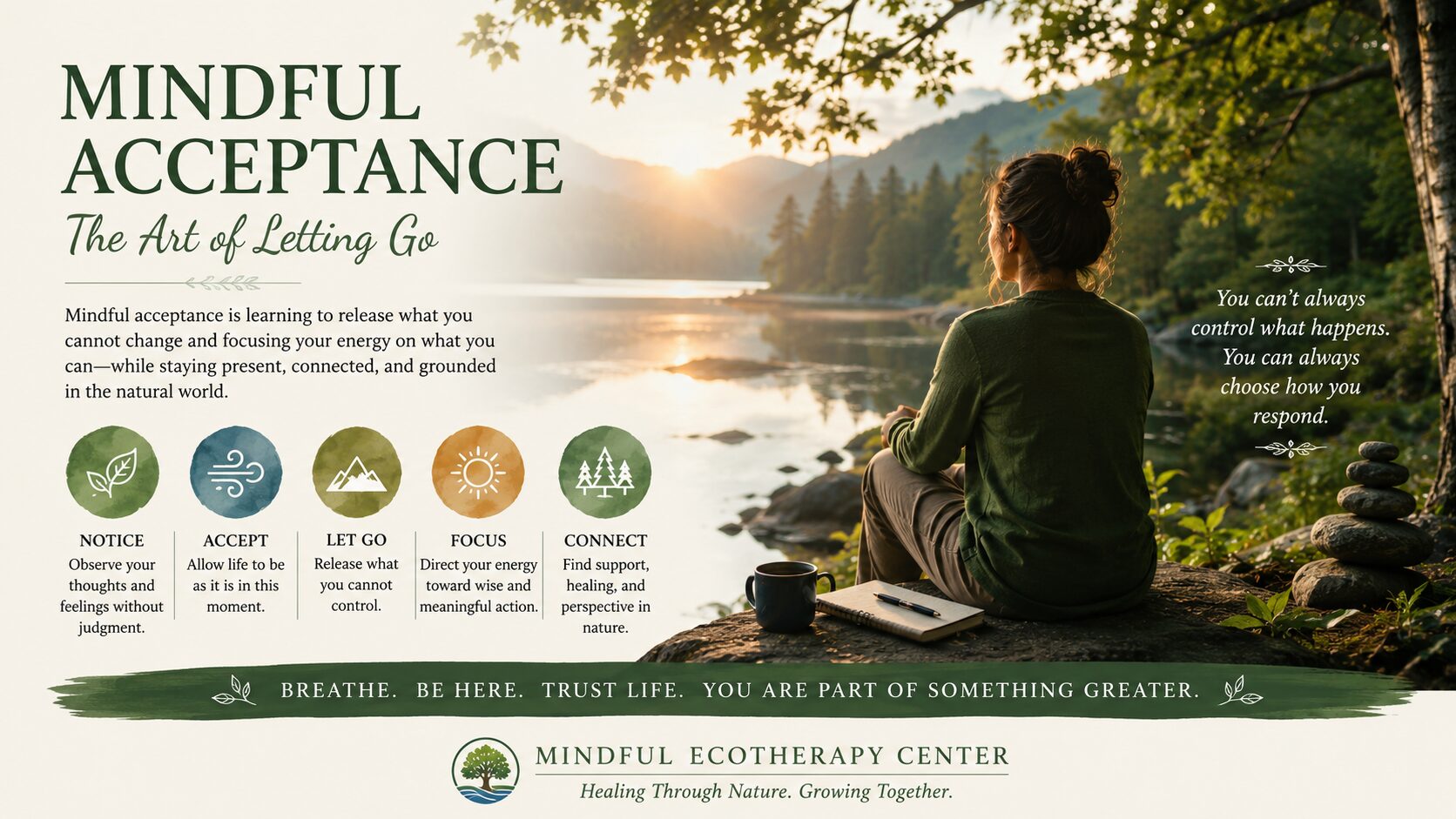
Resilient individuals practice self-compassion rather than self-criticism. MBE fosters self-acceptance by encouraging individuals to observe their thoughts and emotions without judgment. Just as nature accepts change—seasons shifting, storms passing—MBE teaches that emotions, too, are temporary and manageable.

4. Enhances Problem-Solving and Adaptability

Nature itself is a model of resilience. Plants grow through obstacles, rivers carve their paths, and ecosystems adapt to change. MBE encourages individuals to learn from nature’s adaptability, helping them shift perspectives and approach challenges with creative problem-solving skills.

5. Promotes Emotional Regulation Through Nature Connection

Spending time in nature has been shown to enhance emotional balance. The simple act of observing a flowing stream, feeling the breeze, or listening to birds can have a profound calming effect. MBE harnesses this by incorporating nature immersion techniques, allowing individuals to reset their emotional state and build resilience to daily stressors.

6. Fosters a Sense of Community and Support

Resilience is strengthened by social connections. MBE often involves group activities such as mindful hiking, outdoor meditation circles, or nature retreats, fostering a sense of belonging and support. Shared experiences in nature help build trust, empathy, and emotional strength within a community setting.

7. Encourages a Growth Mindset

A growth mindset—the belief that challenges lead to personal development—is essential for resilience. MBE helps cultivate this mindset by promoting reflection on how difficulties can lead to personal growth. Journaling exercises, guided nature meditations, and gratitude practices reinforce a positive outlook on life’s challenges.

Practical Mindfulness-Based Ecotherapy Practices for Resilience

If you want to use MBE to enhance your emotional resilience, try these simple but effective practices:

  1. Grounding Exercise in Nature – Stand barefoot on the grass, sand, or soil. Close your eyes, take deep breaths, and feel the connection between your body and the earth. This stabilizes emotions and promotes a sense of security.
  2. Mindful Walking in a Natural Setting – Walk slowly through a park, forest, or beach, paying attention to your senses. Notice the colors, textures, and sounds around you. This trains the mind to stay present and reduces anxiety.
  3. Tree Meditation for Strength – Sit under a tree, feeling its stability and rooted presence. Visualize yourself growing strong like the tree, adapting to challenges while remaining grounded.
  4. Nature Journaling – Write about your experiences in nature, focusing on resilience metaphors. How does a river persist despite obstacles? How do trees withstand storms? Relating these natural processes to your own life fosters inner strength.
  5. Breathing with Nature – Find a quiet outdoor space and practice deep breathing. Inhale as you visualize absorbing the energy of nature, and exhale stress and negativity. This simple practice resets the nervous system and promotes emotional balance.
  6. Group Ecotherapy Activities – Join a nature meditation group, volunteer for environmental causes, or participate in mindful gardening. Engaging with a like-minded community reinforces emotional resilience through shared experiences.

Final Thoughts

Emotional resilience is not about avoiding difficulties but about developing the strength to navigate them with confidence and stability. Mindfulness-Based Ecotherapy provides a powerful framework for cultivating this resilience by integrating mindfulness, self-awareness, and the healing power of nature.

By regularly practicing MBE techniques, individuals can strengthen their ability to cope with stress, regulate emotions, and maintain inner strength in the face of adversity. Whether through mindful walking, grounding exercises, or nature-based meditation, the path to emotional resilience starts with connecting to the present moment—and to the world around us.

Are you interested in exploring MBE for resilience? Share your thoughts in the comments!

Share Your Thoughts!

Please feel free to share your thoughts in the comments below!

Don’t forget to check out our YouTube channel for more information and content!


Schedule a Teletherapy Appointment with Charlton Hall, MMFT, PhD, LMFT

For those seeking personalized guidance in incorporating Mindfulness-Based Ecotherapy into their lives, Charlton Hall, MMFT, PhD, LMFT, offers professional teletherapy sessions. With extensive expertise in MBE, Dr. Hall provides tailored strategies to help individuals overcome insomnia and achieve restorative sleep.

How to Schedule an Appointment

  1. Visit the Mindful Ecotherapy Center Website to find more information about Dr. Hall’s approach to sleep wellness and mindfulness-based therapies.
  2. Book a Consultation – Easily schedule a teletherapy session that fits your availability.
  3. Receive Expert Guidance – Work one-on-one with Dr. Hall to develop a personalized sleep-improvement plan using MBE techniques.

By integrating Mindfulness-Based Ecotherapy into your daily routine, you can naturally enhance your sleep quality, reduce stress, and achieve long-term wellness.


Schedule an Appointment Today!

Ready to take the next step? Schedule a session with Charlton Hall today and start your journey to better sleep through the healing power of nature.