Posted on Leave a comment

Dialectical Behavior Therapy: 6 Essential Reasons It Works

Dialectical Behavior Therapy

Dialectical Behavior Therapy (DBT) has earned a reputation as one of the most effective forms of therapy for managing intense emotions, self-destructive behaviors, and interpersonal challenges. Developed by Dr. Marsha Linehan in the late 1980s, DBT is a structured, evidence-based approach that combines cognitive-behavioral strategies with mindfulness practices. At the Mindful Ecotherapy Center, we integrate mindfulness-based ecotherapy techniques into DBT to enhance emotional regulation and promote deeper self-awareness. Here are six essential reasons why Dialectical Behavior Therapy works so effectively.

1. Mindfulness Is at the Core of Dialectical Behavior Therapy

Dialectical Behavior Therapy (DBT) emphasizes mindfulness, the practice of paying deliberate attention to the present moment without judgment. By learning to observe thoughts and emotions without being overwhelmed by them, people can break cycles of reactivity that often lead to self-harm, anxiety, or relationship conflicts. In mindfulness-based ecotherapy, this practice is extended outdoors, connecting people with natural environments to enhance focus, reduce stress, and strengthen grounding. Nature becomes an ally in cultivating awareness, making DBT skills more accessible and tangible.

2. Skills Are Practical and Action-Oriented

Unlike traditional therapy that may focus primarily on insight, DBT equips you with practical skills for real-world situations. These skills are organized into four main modules: mindfulness, distress tolerance, emotional regulation, and interpersonal effectiveness. Patients learn to tolerate distress without resorting to harmful behaviors, manage intense emotions effectively, and communicate their needs assertively. Integrating these skills into daily life ensures that therapy is not just theoretical but transformative.

3. Validation and Acceptance Reduce Emotional Resistance

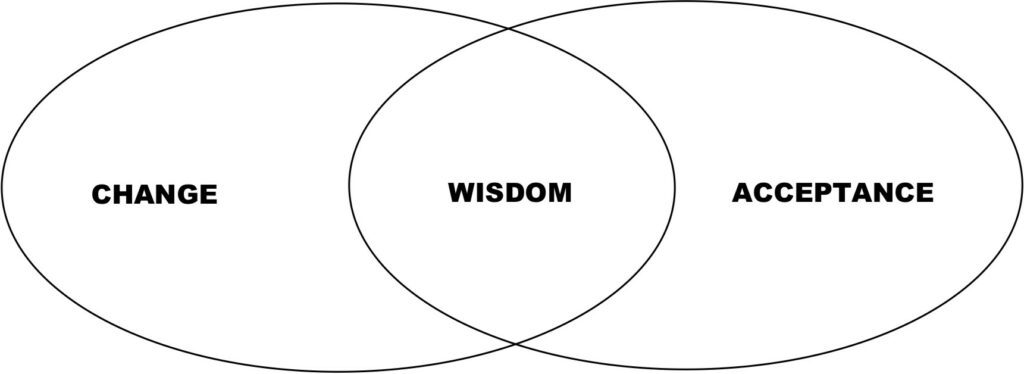
A hallmark of DBT is the balance between acceptance and change. Therapists validate clients’ experiences and emotions, acknowledging that their feelings are real and understandable. This validation reduces emotional resistance, fosters trust, and creates a safe therapeutic environment. Coupling this with nature-based experiences in ecotherapy allows clients to witness and accept the natural flow of life, enhancing the effectiveness of acceptance strategies in DBT.
Dialectical Behavior Therapy

4. Structured Approach Encourages Consistency

DBT follows a highly structured framework that includes individual therapy, skills training groups, phone coaching, and therapist consultation teams. This multi-layered approach provides consistent support and accountability, ensuring that clients have multiple avenues to practice and reinforce their skills. For those struggling with high-functioning anxiety or emotional dysregulation, the predictable structure of DBT can be profoundly stabilizing.

5. Focus on Building Emotional Resilience

DBT equips practitioners with tools to withstand life’s challenges. By learning to regulate emotions, tolerate distress, and navigate interpersonal dynamics, clients develop resilience that supports long-term well-being. Integrating ecotherapy amplifies this effect, as time in nature naturally reduces stress hormones, improves mood, and strengthens adaptive coping mechanisms. The combination of DBT and mindfulness-based ecotherapy creates a holistic pathway to emotional resilience.

6. Evidence-Based Success Across Diverse Populations

Research has repeatedly shown DBT’s effectiveness for people with borderline personality disorder, depression, anxiety, post-traumatic stress, and self-harming behaviors. Its adaptability makes it effective for a wide range of clients, including those who may not respond to traditional talk therapy. When combined with ecotherapy principles, DBT can be tailored to each person’s needs, providing individualized support that addresses both psychological and environmental factors.

Dialectical Behavior Therapy works because it blends mindfulness, practical skills, validation, structured support, emotional resilience, and evidence-based practices into a cohesive therapeutic model. At the Mindful Ecotherapy Center, we enhance DBT by integrating ecotherapy experiences, helping clients connect with both themselves and the natural world. This integration deepens mindfulness, strengthens coping skills, and supports long-term emotional well-being.

DBT is a roadmap for living with awareness, acceptance, and adaptability. By combining its proven techniques with the grounding benefits of nature, you too can find relief from emotional turbulence and discover a sense of calm, connection, and clarity.


Share Your Thoughts on Dialectical Behavior Therapy!

What do you think? Share your thoughts in the comments below! And don’t forget to subscribe to our newsletter!

Posted on Leave a comment

3 Important Updates to Our Terms and Conditions at the Mindful Ecotherapy Center

terms and conditions

At the Mindful Ecotherapy Center, PLLC, clarity matters. That is why, in December of 2025, we updated our terms and conditions to reflect both a structural change in our organization and a thoughtful refinement of the language used throughout the document.

This post explains what changed, why it changed, and why it ultimately benefits you.

Why We Updated Our Terms and Conditions

In 2025, the Mindful Ecotherapy Center formally transitioned from an LLC to a PLLC (Professional Limited Liability Company) in the State of Washington. This change reflects the professional and clinical nature of the services we provide and aligns our legal structure with Washington State requirements for licensed healthcare and mental health professionals.

In 2025, we started offering teletherapy services to patients in Washington, and our terms and conditions were updated to accurately reflect this shift, clarify responsibilities, and remove ambiguity that could lead to misunderstanding.

Change One: Transition from LLC to PLLC

The most concrete update to our terms and conditions is the change in legal designation. As of 2025, the Mindful Ecotherapy Center operates as a PLLC in Washington State.

Why does this matter?

A PLLC is specifically designed for licensed professionals such as therapists and counselors. This structure emphasizes professional accountability, ethical obligations, and regulatory compliance. Updating our terms and conditions to reflect our PLLC status ensures that:

  • The legal entity named in the agreement is accurate
  • Professional standards are clearly implied and upheld
  • Clients understand they are working with a licensed professional practice

This change does not alter the heart of our work, but it does strengthen the framework supporting it. Mindfulness teaches that form matters. Containers matter. A PLLC is a more appropriate container for the type of clinical and educational services we provide.

Change Two: Language Updated to Reflect Current Conditions

The second major update involved revising the language in our terms and conditions to reflect our current operational and legal reality.

Some of the previous language was written when the organization was smaller and structured differently. While technically functional, it no longer accurately represented how services are delivered, governed, or protected.

The updated terms and conditions now:

  • Reflect our current professional status and scope of practice
  • Use clearer, more direct language
  • Reduce outdated references and assumptions

Change Three: Clarification for Better Understanding

The third update is the quiet but important one. We clarified portions of the terms and conditions that were previously open to interpretation.

Legal documents often suffer from one of two problems. They are either so dense that no one reads them, or so vague that they fail to protect anyone. We aimed for a middle path.

Clarifications were made to help clients better understand:

  • The nature and limits of services provided
  • Responsibilities of both the Center and the client
  • How policies are applied in real-world situations

This aligns with both ethical best practices and mindfulness principles. In mindfulness-based ecotherapy, we slow down, name what is happening, and bring things into conscious awareness. Clear terms and conditions do exactly that at an organizational level.

How This Change Reflects Our Values

At the Mindful Ecotherapy Center, mindfulness extends to how we structure agreements, communicate expectations, and take responsibility for our role as professionals.

Updating our terms and conditions is an act of institutional mindfulness. It acknowledges change, responds intentionally, and reduces unnecessary suffering caused by confusion or misalignment.

Ecotherapy reminds us that healthy systems, whether ecosystems or organizations, depend on clear boundaries and mutual respect. These updates reinforce those boundaries in a way that supports trust and safety.

What Clients Need to Do

There is no call to action here. We simply encourage all clients and participants to review the updated terms and conditions so you are informed and confident about the framework within which services are offered.

Transparency at the Mindful Ecotherapy Center is an ongoing practice. These updates reflect our commitment to that practice.

In Closing

The 2025 update to our terms and conditions reflects three things: a transition to a PLLC in Washington State, updated language to match current conditions, and clearer communication overall.

If you have any questions or concerns about these changes, you may contact us here.

Posted on

Guest Vlog: 12 Skills of Mindfulness-Based Ecotherapy

Guest vlog

Guest Vlog for Impact Continuing Education
Featuring Charlton Hall, MMFT, PhD — The 12 Skills of Mindfulness-Based Ecotherapy

In this special guest vlog for Impact Continuing Education, Charlton Hall, MMFT, PhD, presents a clear, practical, and experience-based introduction to the 12 Skills of Mindfulness-Based Ecotherapy. Drawing from his decades of clinical teaching and his work with the Mindful Ecotherapy Center, Hall offers a grounded walkthrough of how these twelve skills form a structured pathway for helping clients cultivate resilience, emotional regulation, and ecological awareness.

The video opens with an orientation to Mindfulness-Based Ecotherapy (MBE): a nature-centered, experiential approach combining traditional mindfulness practices with ecopsychology. Hall explains how each of the 12 skills builds on the one before it, gradually moving clients from internal awareness to a deeper connection with the natural world.

Guest Vlog: The 12 Skills

Viewers learn in this guest vlog how the skills are organized into four core modules:

1. Mindfulness
Breathwork, present-moment attention, and learning to observe thoughts and emotions without judgment. Hall outlines how these practices are used to help clients ground themselves before progressing to more complex ecological skills.

2. Ecotherapy
Skills focused on reconnecting with the natural environment. Hall demonstrates how exercises like sensory awareness, grounding, and nature-based inquiry can reduce stress and help clients feel more anchored in their environment.

3. Reciprocity
This section explores the relationship between the self and the ecosystem. The skills encourage clients to recognize interdependence, develop a sense of stewardship, and begin integrating ecological mindfulness into daily life.

4. Radical Acceptance
Hall includes the acceptance-based skills that help clients work through suffering, change, and uncertainty. These practices teach participants how to respond rather than react, building emotional flexibility and long-term resilience.

Throughout the guest vlog, Hall shows how Mindfulness-Based Ecotherapy supports a wide range of personality types, learning styles, and clinical needs. He also highlights how the approach blends cognitive insight with experiential learning, making it especially effective for educators, clinicians, and students seeking embodied therapeutic tools.

Mindfulness-Based Ecotherapy in Your Own Office

Dr. Hall concludes the guest vlog with how you don’t have to have access to an outdoor space to incorporate mindfulness-based ecotherapy into your own office or practice.

For more information on Mindfulness-Based Ecotherapy, training opportunities, or additional resources by Charlton Hall, visit the Mindful Ecotherapy Center at https://www.mindfulecotherapy.org


About Impact CE

This guest vlog by Charlton Hall, MMFT, PhD, was done in cooperation with Impact CE. Learn more about them at this link.

Our Values

We seek a mutually caring and respectful relationship with those who purchase courses, help develop courses, and partner with us. Although profit is necessary in order to continue to provide services, we value people and relationships ahead of today’s profits. We are keenly aware that we must earn a relationship of trust through integrity and a commitment to provide exceptional value that helps those we work with to help others.

Our Mission

Helping professionals is the cornerstone of our mission. We help by providing a great selection of quality, relevant, and affordable continuing education experiences along with exceptional service for practitioners. We seek to inspire the best…so that as professionals grow more in their knowledge and skills, they can do more for others.


Share Your Thoughts!

What do you think? Share your thoughts in the comments below!

Would you like Charlton Hall, MMFT, PhD, to do a guest video or post on your organization’s website? Would you like to schedule an interview with Dr. Hall? You may contact him here.

And don’t forget to subscribe to our newsletter!

Posted on

We’re Moving YouTube Content to Substack

Youtube

Dear friends of the Mindful Ecotherapy Center,

Our YouTube content is moving to Substack! We are announcing that, effective November 1, 2025, we will transition our primary online platform from YouTube to Substack. This decision is about integrity, equity, and ensuring our content is shared in a space aligned with our values of inclusion, ecological healing, and relational community.

What prompted this move

While YouTube has been immensely useful for building our community and sharing guided ecotherapy content, there is growing evidence that the platform systematically treats LGBTQ+ voices and related content in ways that conflict with our mission. Below are some of the key issues we find incompatible with our commitment to inclusive healing.

Demonetization and algorithmic suppression of LGBTQ+ content

no youtube

A significant investigation found that videos with LGBTQ‑related vocabulary in titles such as “gay”, “lesbian”, or “transgender” were disproportionately flagged for advertiser‑unfriendly status even when they contained non‑sexual, educational material. For instance, one study noted that 33% of a small sample of queer‑titled videos were demonetized by YouTube’s automated system. The Independent | The Verge
Such suppression means that LGBTQ+ – friendly creators and educational voices can lose revenue or reach not because of content quality, but because of identity or subject matter.

Restricted discoverability and youth access limitations

YouTube’s “Restricted Mode” has been shown to hide even benign LGBTQ+ videos from younger audiences precisely when access to affirming representation matters most. One analysis noted that educational LGBTQ‐themed videos were being flagged or hidden under age or content restrictions even when they lacked explicit sexual content. Gnovis Journal | mastersofmedia.hum.uva.nl
For the work of the Mindful Ecotherapy Center, which often reaches people seeking connection, healing, and authenticity, such limitations create a barrier to access and undermine our inclusive community goals.

Unequal enforcement of harassment and viewpoint bias

Though YouTube’s public hate‑speech policy lists “sexual orientation” and “gender identity or expression” as protected classes, in practice, creators and commentators have raised concerns that harassment directed at LGBTQ+ people is not consistently or effectively challenged, while automated systems penalize non‑harassing queer content. A class‑action style lawsuit alleged that YouTube “systemically” discriminated against LGBTQ+ creators by suppressing their content while allowing hostile materials to persist. Google Help | classaction.org
For an organization like ours, committed to relational community and mindful ecological healing, this dynamic is simply unacceptable.

Lack of transparency and accountability

Because many decisions around monetization, filtering, and recommendations on YouTube are driven by opaque algorithms, creators often cannot even understand why their videos are restricted or suppressed. Research warns that such algorithmic discrimination is real and structural. PubMed
We believe the platforms that host our work should be transparent and aligned with the ethics of inclusivity, not opaque gatekeepers.

What Substack offers us

Moving to Substack allows us to reclaim more control over distribution, monetization, and community access. Specifically, we will:

  • Ensure that content related to queer ecology, inclusive healing, and relational practice is treated equitably, without hidden restrictions tied to identity or keywords.
  • Provide direct access to our community without relying on hidden algorithms that decide who sees what.
  • Offer a platform where creators and members can engage safely, with fewer intermediary commercial constraints and clearer transparency.
  • Build a relational, intentional space rather than relying on broad‑reach broadcast models that may de-prioritize marginalized voices.

What this means for you

  • Starting Nov 1, 2025, all new guided sessions, interviews, reflections, and video content that were formerly posted on YouTube will be hosted on our Substack channel.
  • Existing YouTube content will remain accessible for the transition period; however, we encourage you to subscribe to our new Substack channel to ensure you don’t miss anything.
  • You’ll receive email notifications and be able to access posts, videos, and community dialogue in one place on our Substack feed. This means you won’t have to log in to a separate YouTube account to view our video content.

We invite you to join us!

Thank you for being part of this community grounded in mindful ecotherapy, relational healing, and inclusive belonging. This platform shift is a commitment to you, to our creators, and to the Mindful Ecotherapy Center’s values of equity and access.

Please subscribe here:

With gratitude,
The Mindful Ecotherapy Center Team


Share Your Thoughts!

What do you think? Share your thoughts in the comments below! And don’t forget to subscribe to our newsletter!

Posted on

SCOTUS vs. Human Rights

Supreme Court SCOTUS

On June 18th, 2025, the U.S. Supreme Court ruled 6-3 to uphold state bans on access to gender-affirming care for transgender and gender expansive (TGE) youth. This devastating decision by our Supreme Court allows 27 states to restrict or eliminate healthcare options that are not only evidence-based, but also life-saving. By doing so, the highest court in the country has endorsed a dangerous narrative—one that undermines medical consensus, restricts provider autonomy, and endangers the mental and physical health of TGE children and adolescents across the United States.

Organizations like SAIGE (Society for Sexual, Affectional, Intersex, and Gender Expansive Identities) have openly condemned the decision, calling it a “profound miscarriage of justice.” Yet in the wake of this political regression by our Supreme Court, many mental health professionals and organizations are doubling down on their commitment to ethical, inclusive, and affirming care. Among them is the Mindful Ecotherapy Center, PLLC, an organization steadfast in its mission to uphold dignity, agency, and compassion for all clients, especially TGE youth and their families.

Supreme Court

Understanding Gender-Affirming Care

Gender-affirming care encompasses a range of services designed to support individuals in aligning their gender identity with their lived experience. For TGE youth, this may include counseling, social support, and in some cases, medical interventions such as puberty blockers or hormone therapy. These services are backed by extensive research from the American Psychological Association, American Medical Association, and World Professional Association for Transgender Health (WPATH).

The Supreme Court’s decision to allow states to ban such care ignores decades of psychological and medical evidence, disrupts the ethical delivery of mental health services, and legitimizes discrimination under the false guise of protecting children.


The Mindful Ecotherapy Center’s Commitment to TGE Youth

At the Mindful Ecotherapy Center, PLLC, we believe that affirming care is ethical care. While the legal landscape may shift, in spite of this disastrous Supreme Court decision, our values remain rooted in compassion, inclusivity, and evidence-based practice. Here’s how we continue to support TGE youth and their families in a climate of increasing hostility:

1. Providing Gender-Affirming Therapy

All therapists at the Mindful Ecotherapy Center are trained in gender-affirming best practices, including the use of correct pronouns, respecting name changes, and navigating the complex intersections of identity, family dynamics, and trauma. We create safe, nonjudgmental spaces where clients can explore their gender identity without fear of coercion, ridicule, or invalidation.

2. Offering Support to Families and Caregivers

Affirming care doesn’t end with the individual. The Center also offers family systems therapy, parent education, and caregiver support to help families better understand and support their TGE loved ones. We equip families with the tools to become strong allies, especially in states where legal protections are eroding.

3. Advocacy and Education

The Mindful Ecotherapy Center believes in the power of education to dismantle prejudice. We regularly offer continuing education courseswebinars, and community outreach programs to raise awareness about gender diversity, the mental health needs of trans youth, and the importance of affirming care in clinical practice.

4. Telehealth Services Across State Lines

While some states have banned access to medical gender-affirming care, and while our United States Supreme Court has chosen to interfere in medical decisions made by individuals and their families, mental health services remain legally accessible in many regions. The Mindful Ecotherapy Center offers secure telehealth sessions that allow TGE youth in hostile states to access affirming therapy. We are currently working to expand access wherever possible.


Why This Matters

In spite of what the Supreme Court might think, numerous studies have shown that access to gender-affirming care reduces rates of depression, anxiety, self-harm, and suicide among TGE youth. When that access is denied, the consequences can be fatal. The Supreme Court’s decision effectively criminalizes compassion and threatens the very lives of those already at high risk of marginalization and violence.

The Mindful Ecotherapy Center refuses to stand by silently. We are actively seeking partnerships with schools, clinics, and advocacy organizations to continue this essential work. As part of the broader mental health community, we reaffirm that our duty is to heal, not to harm.


Standing Firm in the Face of Injustice

The recent Supreme Court ruling does not define the future of TGE youth; we do. Through therapeutic presence, inclusive policy, and relentless advocacy, the Mindful Ecotherapy Center stands firm in our mission: to provide a healing space for all people, regardless of gender identity or expression.

Now more than ever, we invite you to join us in supporting dignity, equity, and resilience for TGE youth and the professionals who serve them. Together, we can continue to build a world where gender diversity is celebrated, not criminalized.


Share Your Thoughts!

What do you think? Share your thoughts in the comments below! And don’t forget to subscribe to our newsletter!

Posted on

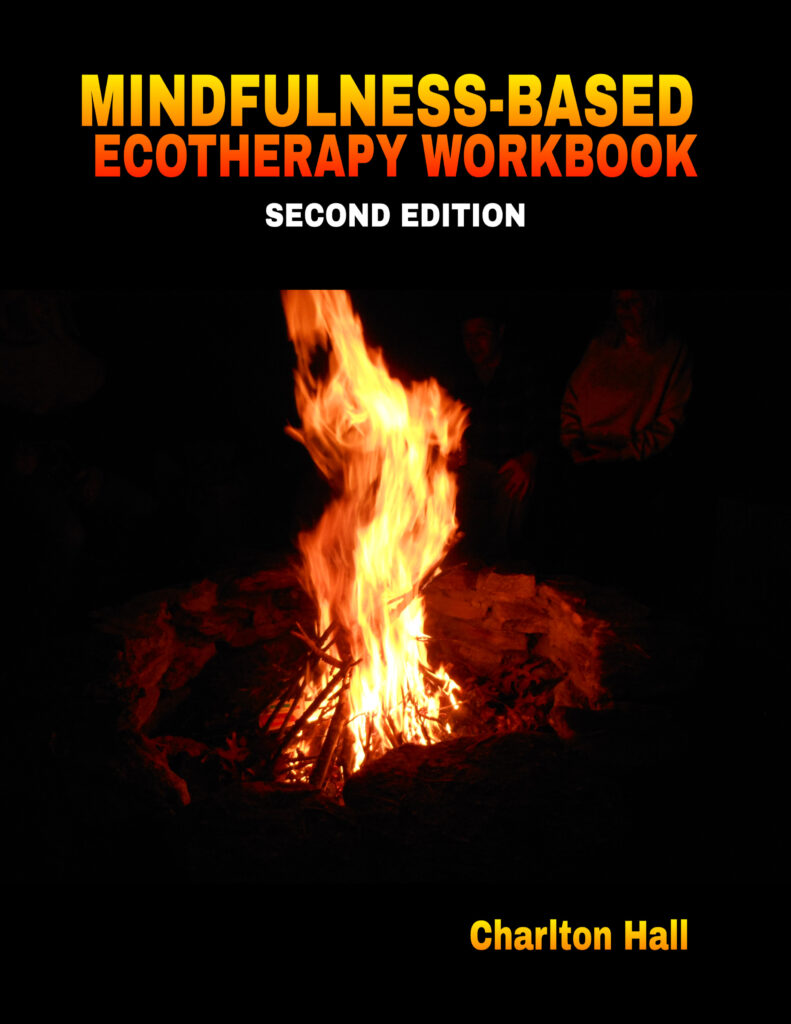
Mindfulness-Based Ecotherapy Workbook 2nd Edition

workbook
Click on the image to purchase

This is the second edition of the Mindfulness-Based Ecotherapy WorkbookThe original workbook was published in 2015, and the sciences of mindfulness and ecotherapy have advanced a great deal since that time. This second edition was updated to reflect this new research. This edition, like its predecessor, was written to accompany the 12-week Mindfulness-Based Ecotherapy workshop series. Some of the exercises in this new edition have changed based on participant feedback regarding what is more helpful in facilitating nature experiences.

This new version of the handbook introduces the 12 skills of Mindfulness-Based Ecotherapy (MBE) and introduces one of these skills at each of the 12 sessions in the program. Although this book is designed to accompany the 12-week Mindfulness-Based Ecotherapy workshop series, it may also be completed on your own at home. The experiential nature of the work allows anyone with access to outdoor spaces the opportunity to complete the series. If you are interested in participating in a workshop series near you, you can visit the Mindful Ecotherapy Center’s website at www.mindfulecotherapy.org. The website contains a directory of Mindfulness-Based Ecotherapists worldwide

The second edition of the Mindfulness-Based Ecotherapy Workbook represents a significant evolution in the integration of mindfulness, nature-based practices, and therapeutic skill development. The original workbook, first published in 2015, emerged at a time when mindfulness-based interventions and ecotherapy were gaining momentum but had not yet fully matured as research-informed practices. In the years since, the sciences of mindfulness, trauma treatment, somatic awareness, and nature-based mental health interventions have advanced substantially. This revised workbook reflects those developments while staying grounded in experiential, accessible practice.

The Mindfulness-Based Ecotherapy Workbook is designed to accompany the 12-week Mindfulness-Based Ecotherapy (MBE) workshop series. However, one of its strengths is its flexibility. While it functions seamlessly within a structured group setting, it can also be completed independently by individuals who wish to engage in the practices on their own. The experiential nature of the workbook allows participants to move beyond theory and into direct engagement with the natural world, using outdoor spaces as co-facilitators in the therapeutic process.

What’s New in the Second Edition

One of the most important updates in this second edition is the explicit introduction of the 12 core skills of Mindfulness-Based Ecotherapy. Each skill is presented in sequence, with one skill explored in depth during each of the 12 sessions of the program. This structure provides clarity, coherence, and a clear developmental arc, allowing participants to gradually build capacity rather than feeling overwhelmed.

Several exercises have been revised or replaced based on participant feedback from previous workshop cohorts. This feedback-driven approach ensures that the workbook prioritizes practices that genuinely support embodied awareness, emotional regulation, and meaningful connection with nature. Rather than offering abstract reflection prompts, the workbook emphasizes lived experience, sensory engagement, and mindful presence in outdoor environments.

The updated content also reflects newer research in areas such as:

  • Trauma-informed mindfulness
  • Nervous system regulation
  • Embodied and somatic awareness
  • The psychological benefits of green and blue spaces
  • Nature-based interventions for anxiety, depression, and stress

An Experiential Approach to Learning

Unlike many traditional self-help books, this workbook is intentionally experiential rather than purely instructional. The practices are designed to be done, not just read about. Participants are encouraged to spend time outdoors, observe natural processes, notice bodily sensations, and reflect on how these experiences intersect with thoughts, emotions, and values.

This approach aligns with the foundational philosophy of Mindfulness-Based Ecotherapy, which views nature not as a backdrop, but as an active participant in healing. Anyone with access to outdoor spaces—whether a forest, park, backyard, or urban green area—can meaningfully engage with the workbook. The practices are adaptable, making the material accessible across diverse environments and life circumstances.

For Groups and Individuals Alike

While the workbook was created to support the 12-week MBE workshop series, it is equally valuable for individual use. Therapists may integrate the workbook into their clinical work, while individuals may use it as a structured self-guided program. The pacing encourages reflection without pressure, reinforcing the principle that growth unfolds over time and through repeated, mindful engagement.

For those interested in participating in a facilitated workshop, the Mindful Ecotherapy Center maintains a global directory of Mindfulness-Based Ecotherapy programs. This directory, available at www.mindfulecotherapy.org, connects individuals with trained providers offering workshops and groups worldwide.

A Living Resource for Ongoing Practice

The second edition of the Mindfulness-Based Ecotherapy Workbook is not meant to be completed once and shelved. Instead, it serves as a living resource that participants can return to as their relationship with mindfulness, nature, and self-awareness deepens. By grounding therapeutic skills in direct experience with the natural world, the workbook offers a sustainable and compassionate pathway toward psychological resilience and ecological connection.


Share Your Thoughts!

What do you think? Share your thoughts in the comments below! And don’t forget to subscribe to our newsletter!