Posted on Leave a comment

Join the SUD Group: 1x per Week Transformative Online Support for WA and SC Residents

SUD Group

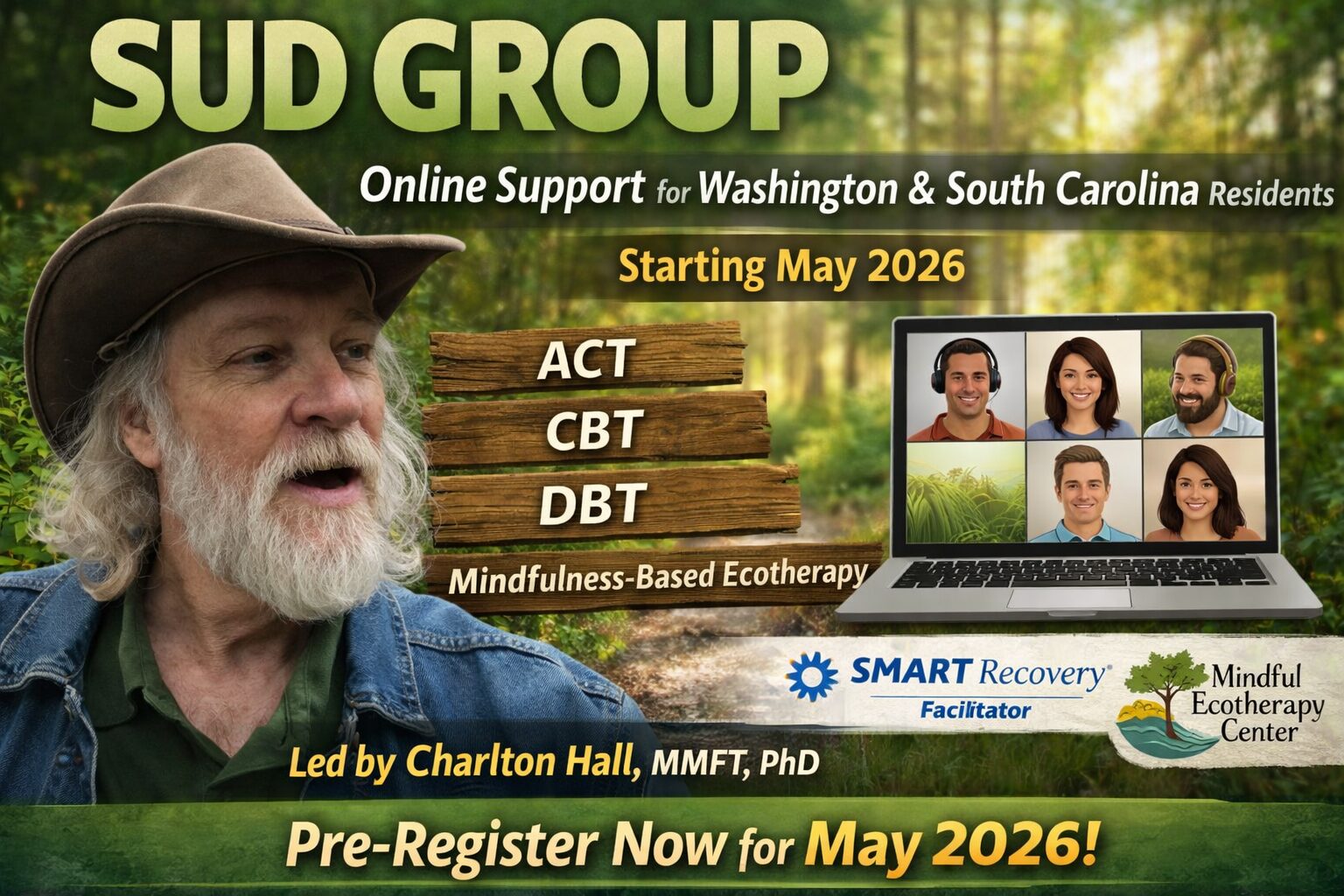
Since 2005, Charlton Hall, MMFT, PhD, has been at the forefront of evidence-based treatment for Substance Use Disorder (SUD). With over two decades of experience, Dr. Hall has combined traditional therapeutic methods with innovative approaches, creating a supportive and effective pathway for people seeking recovery. The Mindful Ecotherapy Center is excited to announce a new SUD Group for residents of Washington State and South Carolina, launching in May 2026.

Evidence-Based SUD Group Treatment

This upcoming online group provides a safe, structured space for participants to explore their recovery journey while connecting with others facing similar challenges. Dr. Hall integrates a variety of proven therapeutic approaches, including Acceptance and Commitment Therapy (ACT), Cognitive Behavioral Therapy (CBT), Dialectical Behavior Therapy (DBT), and Mindfulness-Based Ecotherapy. This combination allows participants not only to address the psychological and behavioral aspects of SUD but also to cultivate awareness, self-compassion, and resilience through nature-inspired mindfulness practices.

As a trained SMART Recovery facilitator, Dr. Hall brings a strengths-based, self-empowering approach to the SUD Group. His background includes serving as a Volunteer Advisor for South Carolina from 2011 to 2020, supporting local recovery communities and fostering peer-based engagement. This experience informs his online group facilitation, emphasizing accountability, peer support, and practical tools that participants can integrate into daily life.

Weekly SUD Group

The SUD Group will meet virtually, allowing residents of Washington State and South Carolina to participate without the constraints of geography. Sessions will provide structured discussions, guided mindfulness exercises, and actionable strategies for managing cravings, coping with triggers, and maintaining long-term recovery. Participants will have the opportunity to ask questions, share experiences, and learn from Dr. Hall’s expertise, all within a confidential and supportive environment.

Pre-Registration for the SUD Group Now Open!

Pre-registration for the group is now open. Limited to the first 20 participants, so register to save your spot today! Using the form below, interested participants can reserve a spot and receive updates about session schedules and materials. Early registration ensures access to all preparatory resources and allows participants to begin their recovery journey with confidence.

Mindfulness-Based Ecotherapy forms a cornerstone of the SUD Group experience. By integrating movement, nature observation, and reflective exercises, participants cultivate present-moment awareness and emotional regulation skills that support sustainable recovery. This holistic approach complements traditional therapies like ACT, CBT, and DBT, creating a comprehensive model that addresses both mind and body.

Additional Resources on the Website and Our YouTube Channel

Dr. Hall’s commitment to the recovery community is further demonstrated through his work on digital platforms. For additional resources, educational videos, and guided exercises, the Mindful Ecotherapy Center’s YouTube channel offers a rich library of content designed to complement the SUD Group experience. Visit Mindful Ecotherapy Center YouTube to explore these resources, and check out the Mindful Ecotherapy Center website for more information on courses, workshops, and upcoming programs.

Whether you are in the early stages of recovery, seeking support for maintaining sobriety, or interested in learning tools to prevent relapse, the SUD Group provides a compassionate, evidence-based environment tailored to your needs. By participating, you are joining a community dedicated to personal growth, emotional resilience, and meaningful connections.

Don’t wait to take this important step. Pre-register today and begin your journey with the guidance and expertise of Charlton Hall, MMFT, PhD, and the Mindful Ecotherapy Center. Recovery is not a solitary path. You don’t have to do it alone! Our SUD Group ensures you are supported every step of the way.

Insurance Plans Accepted

We accept the following insurance plans. A listing here is not a guarantee of payment by your insurance carrier. Check with your particular policy requirements prior to enrolling.

Charlton Hall, MMFT, PhD, currently accepts the following insurances:

Private-pay options are also available on a sliding fee scale.
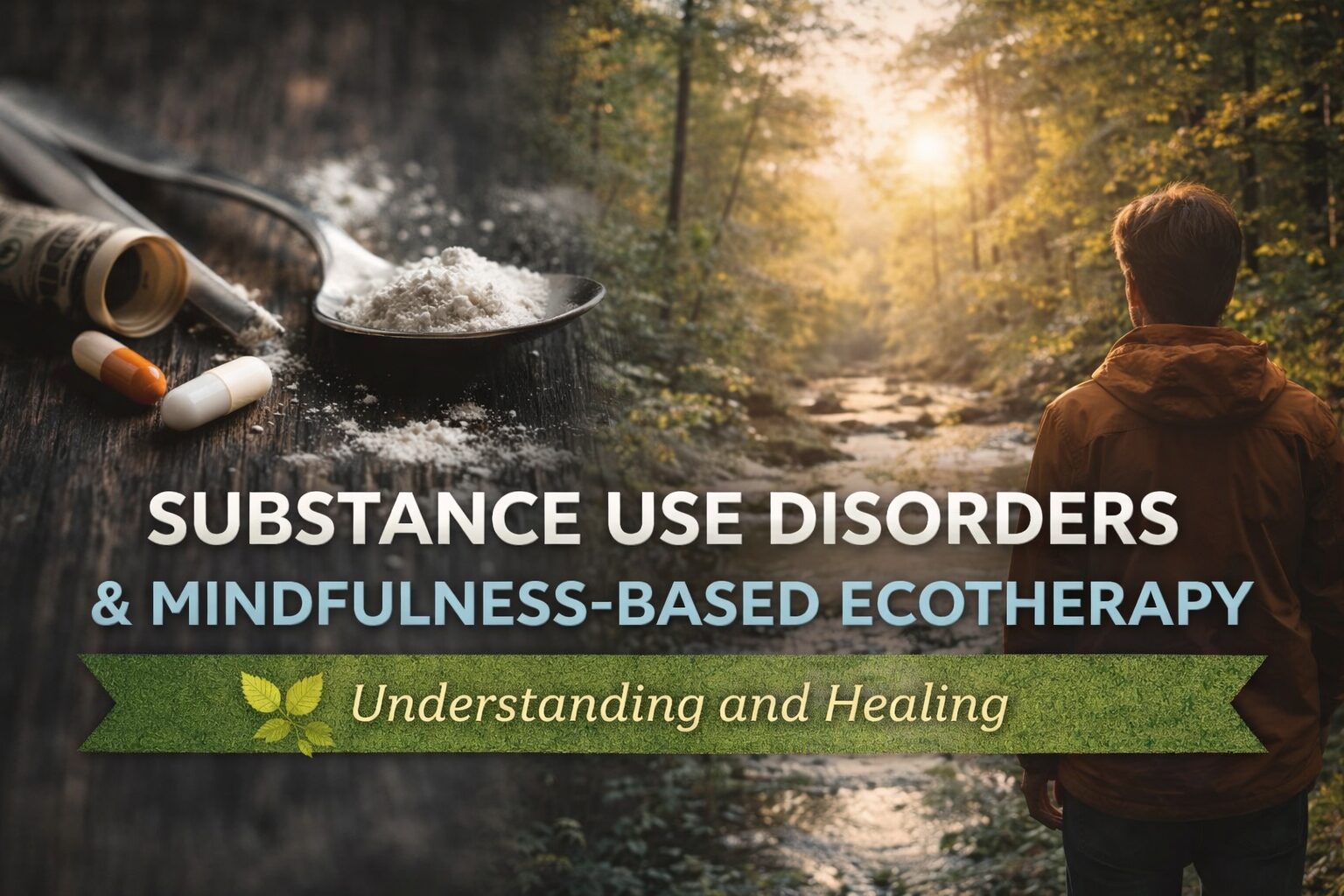
Pre-register for the SUD Group below and reserve your spot for May 2026.


Posted on Leave a comment

Substance Use Disorder (SUD) Worksheets

SUD Worksheets

Understanding Substance Use Disorders and How Mindfulness-Based Ecotherapy Can Help

What Are Substance Use Disorders?

Substance Use Disorders (SUDs) occur when the use of alcohol, drugs, or other substances interferes with daily life, health, or relationships. They involve patterns of compulsive use, cravings, and difficulty controlling behavior despite negative consequences. SUDs are complex, influenced by genetics, environment, and emotional health.

Recovery is possible, but it often requires a combination of support, skill-building, and self-awareness.


How Mindfulness-Based Ecotherapy Can Support Recovery

Mindfulness-Based Ecotherapy combines evidence-based mindfulness practices with immersive nature experiences. It helps clients:

  • Increase awareness of triggers, cravings, and emotional “weather”
  • Observe thoughts and feelings without reacting impulsively
  • Build psychological flexibility through guided reflection and experiential exercises
  • Connect with personal values and life purpose in a grounded, tangible way

By integrating the natural environment into mindfulness practice, clients gain a sense of perspective, calm, and resilience that supports long-term recovery.


Using the Worksheets for Substance Use Disorders

The worksheets on this page are designed to help you practice mindfulness, reflection, and values-based action in the context of SUD recovery. They include exercises such as:

  • Noticing the Landscape: Observing daily routines and emotional patterns without judgment
  • Leaves on a Stream: Practicing cognitive defusion by letting thoughts pass without reaction
  • Roots and Branches: Exploring self-as-context through a tree-based metaphor
  • Weather and Willingness Log: Tracking emotional climates and practicing acceptance

How to Use Them Effectively:

  1. Choose a SUD worksheet appropriate to your current stage of change – from awareness (precontemplation) to action and maintenance.
  2. Take your time outdoors if possible – even a few minutes of mindful observation enhances engagement.
  3. Reflect honestly – write your observations without censoring or judging yourself.
  4. Repeat regularly – consistent practice strengthens self-awareness and coping skills.
  5. Combine with support – consider discussing insights with a therapist, counselor, or support group.

Stages of Change

  1. Precontemplation: Not yet considering change. The person may be unaware of a problem or resistant to acknowledging it.
  2. Contemplation: Aware of the problem and thinking about change, but not yet committed to action. Ambivalence is common.
  3. Preparation: Getting ready to take action soon and planning and gathering resources or strategies to support change.
  4. Action: Actively implementing changes in behavior, thought, or environment to address the problem.
  5. Maintenance: Sustaining new behaviors over time and working to prevent relapse. Focused on reinforcement and long-term habit formation.
  6. Termination / Growth (optional stage): The new behavior is fully integrated; risk of relapse is minimal. Often framed as ongoing growth and consolidation rather than finality.

Disclaimer

These worksheets are provided for educational and personal use. They are not a substitute for professional diagnosis, treatment, or medical advice. If you or someone you care about is struggling with substance use, please seek support from a licensed healthcare professional.


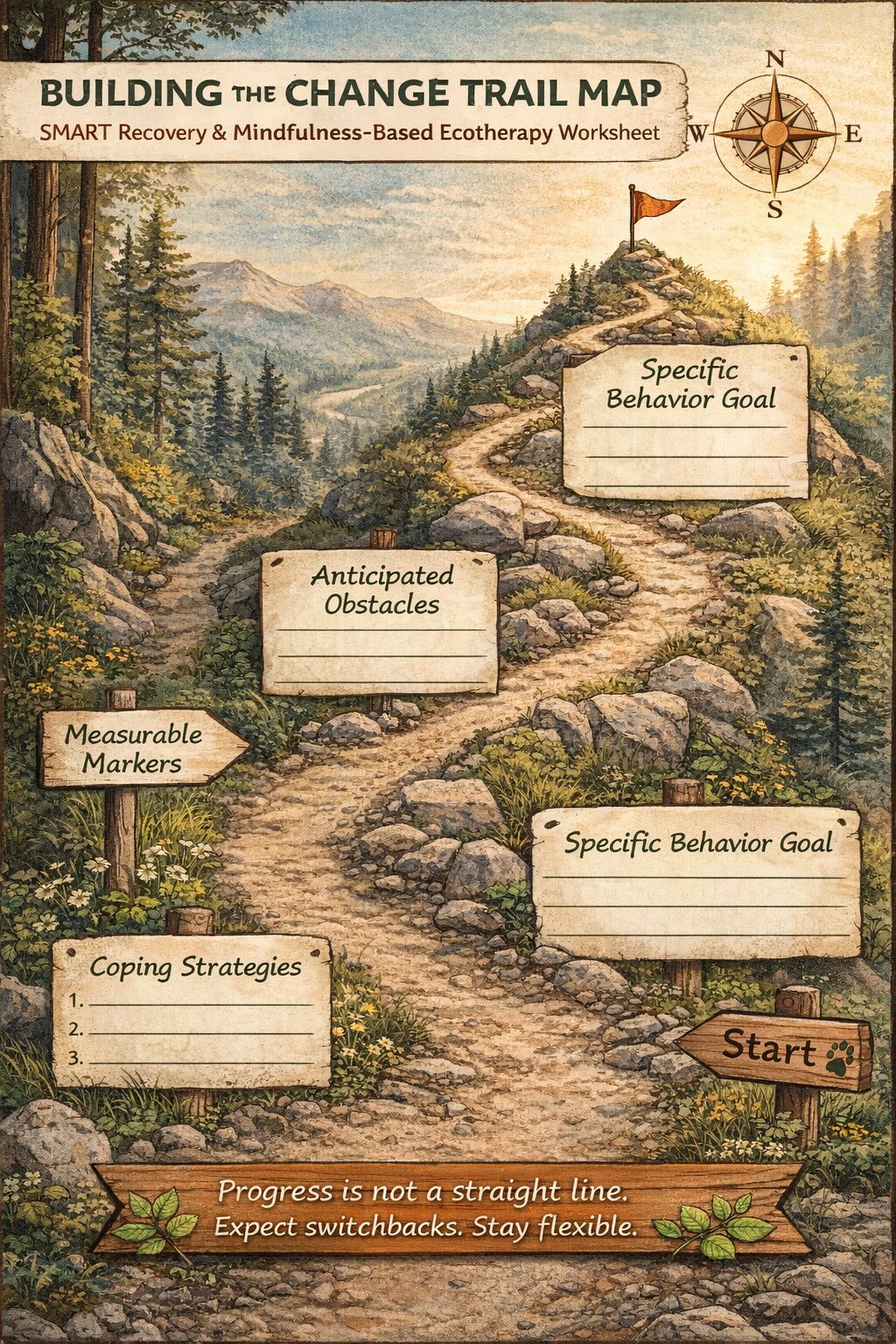
SUD Worksheet Building the Change Trail Map

SUD Worksheets

The Change Plan Worksheet is used for making a plan to maintain sobriety. It’s a good place to start.


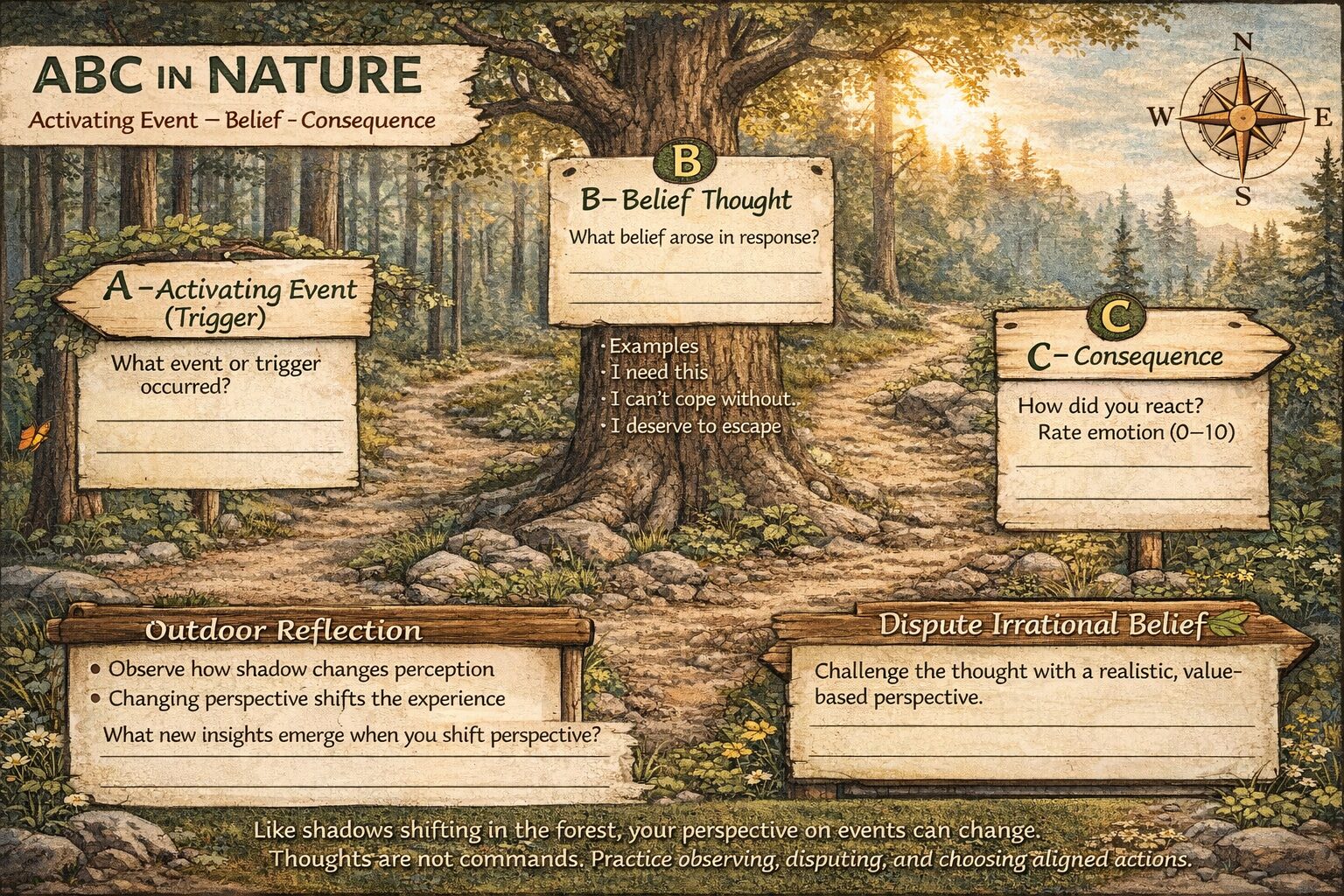
SUD Worksheet ABC in Nature

These worksheets are provided for personal, educational, and clinical use. You are welcome to download, print, and share them with clients or students, provided that all copyright and attribution information remains intact and unaltered.

These materials may not be resold, redistributed for profit, or incorporated into commercial products, training, or publications without prior written permission from the copyright holder, Mindful Ecotherapy Center, PLLC.

All rights reserved. All ACT Worksheet materials ©2026 by the Mindful Ecotherapy Center, PLLC, and Charlton Hall, MMFT, PhD, unless otherwise noted.

Posted on

Relapse Prevention and MBE: Strengthening Resilience Through Nature

Relapse Prevention

Relapse prevention is one of the most critical aspects of long-term recovery from addiction and other harmful behavioral patterns. While traditional relapse prevention strategies often focus on cognitive and behavioral skills, Mindfulness-Based Ecotherapy (MBE) offers a unique way to strengthen resilience through nature. By combining mindfulness techniques with the healing presence of the natural world, MBE provides people in recovery with tools not only to avoid relapse but also to build a healthier and more grounded lifestyle.


Recovery and the Need for Holistic Approaches

Relapse prevention has typically been framed as a matter of willpower, self-control, and strict adherence to coping strategies. While these tools can be effective, they sometimes overlook the deeper emotional and spiritual dimensions of recovery. Addiction, stress, anxiety, and depression are disconnections from self, community, and environment.

Mindfulness-Based Ecotherapy fills this gap by integrating traditional mindfulness practices with ecotherapy principles. Instead of treating relapse prevention as a battle of resisting urges, MBE reframes it as a journey toward wholeness and reconnection. In this model, the natural world becomes a partner in healing, offering both a physical space for reflection and a symbolic reminder of cycles, growth, and renewal.


How MBE Supports Relapse Prevention Through Mindfulness

At the heart of relapse prevention is the ability to recognize triggers before they escalate into harmful behavior. Mindfulness trains individuals to notice their thoughts, feelings, and bodily sensations in the present moment without judgment. When practiced in a natural setting, this awareness is magnified.

For example, someone practicing mindfulness in a forest may notice the rhythm of their breath aligning with the rustling of leaves or the flow of a stream. These sensory experiences anchor them in the moment and help reduce anxiety, stress, and cravings. Over time, the brain begins to associate recovery with peace, presence, and balance. These qualities make relapse less appealing.

This combination of mindfulness and nature creates a feedback loop: mindfulness helps calm the mind, nature soothes the body, and together they strengthen the individual’s resilience against relapse.


Nature as a Tool for Relapse Prevention in MBE

One of the unique contributions of MBE to relapse prevention is its use of nature as a co-therapist. Research has shown that spending time outdoors reduces cortisol levels, lowers blood pressure, and enhances mood. These physical benefits create a foundation of stability that makes relapse less likely.

In addition, nature provides powerful metaphors for recovery. Watching a tree shed its leaves in autumn reminds us that letting go is part of growth. Observing a river carve its way through stone over centuries demonstrates persistence. These lessons help individuals reframe their recovery journey not as a series of battles but as a natural process of change and renewal.

By integrating outdoor mindfulness practices such as walking meditations, grounding exercises, or mindful observation of natural elements, MBE makes relapse prevention not just a cognitive strategy but a lived experience.


Building Resilience With MBE in Relapse Prevention

Resilience is the ability to adapt to stress, setbacks, and change without returning to harmful behaviors. In relapse prevention, resilience is crucial because recovery is a journey filled with challenges.

Mindfulness-Based Ecotherapy builds resilience by teaching individuals to remain grounded in the present moment, accept difficulties without judgment, and draw strength from natural cycles. Instead of seeing cravings or setbacks as failures, MBE encourages viewing them as temporary weather systems—clouds that pass over the sky of awareness. This perspective reduces shame and self-blame, which are often triggers for relapse.

By cultivating a mindful relationship with the natural world, individuals learn to trust their own ability to weather life’s storms. In this way, resilience becomes not just an abstract concept but a lived practice, rooted in both mindfulness and nature.


The Future of Relapse Prevention Through Mindfulness-Based Ecotherapy

As relapse prevention strategies evolve, more practitioners are turning to integrative methods that address the whole person. Mindfulness-Based Ecotherapy represents a promising path forward, blending evidence-based mindfulness with the healing power of the outdoors.

In treatment centers, community programs, and personal recovery plans, MBE offers a practical way to strengthen resilience, reduce stress, and create lasting change. Whether it’s through structured therapy sessions in a park, personal mindfulness walks, or guided ecotherapy exercises, MBE empowers people in recovery to find strength not only within themselves but also in the natural world that surrounds them.

Relapse prevention is about saying “yes” to a new way of living. Through mindfulness-based ecotherapy, people can reconnect with nature, rediscover balance, and reinforce the resilience needed for lifelong recovery.


Share Your Thoughts!

What do you think? Share your thoughts in the comments below! And don’t forget to subscribe to our newsletter!

Posted on

Replacing Negative Coping Mechanisms with Nature-Based Mindfulness Practices

negative coping mechanisms

Coping with stress, trauma, or overwhelming emotions can sometimes lead people to adopt harmful habits, such as substance use, overeating, or other compulsive behaviors. While these negative coping mechanisms may provide temporary relief, they often create long-term physical, emotional, and psychological harm. Recovery and behavioral change require replacement strategies that are nurturing, restorative, and sustainable. Mindfulness-based ecotherapy (MBE) offers a powerful solution by integrating mindfulness practices with direct engagement in nature. This approach not only supports emotional regulation but also fosters resilience, self-awareness, and healthy coping skills to replace negative coping mechanisms.

Understanding Negative Coping Mechanisms

Negative coping mechanisms often emerge as a response to stress, grief, trauma, or chronic anxiety. For many people, these behaviors serve as a temporary escape from discomfort, providing immediate, but fleeting relief. Substance use, for example, may numb emotional pain or alleviate anxiety, yet it does not address underlying emotional issues. Over time, reliance on negative coping mechanisms and harmful coping strategies can exacerbate emotional instability, increase dependency, and reduce overall well-being.

Replacing negative coping mechanisms requires interventions that both soothe and empower. Mindfulness-based ecotherapy offers an integrative method for doing just that: it helps people pause, reflect, and engage with their emotions in healthy, constructive ways while reconnecting with the restorative qualities of nature.

Why Nature Matters in Healing

Nature has profound physiological and psychological benefits. Spending time in natural environments reduces stress hormones, lowers heart rate, and calms the nervous system. Sensory-rich experiences can include things like feeling the texture of tree bark, hearing birdsong, and observing sunlight through leaves. These sensory experiences anchor attention in the present moment. This grounding in the here and now is essential for disrupting automatic negative coping mechanisms and retraining the brain to respond in healthier ways.

Nature also provides symbolic guidance. Observing seasonal change, growth, decay, and renewal can inspire people to reflect on their own processes of transformation. Just as a tree sheds leaves in autumn to prepare for new growth, people can release harmful coping patterns and cultivate healthier alternatives.

Mindfulness-Based Ecotherapy Practices

Integrating mindfulness with nature provides practical strategies for replacing negative coping mechanisms:

  1. Mindful Walking – Walking slowly in a park, forest, or along a river encourages attention to the present moment. Focusing on the sensation of each step, breath, and surrounding sights helps people disrupt habitual responses and cultivate intentional behavior.
  2. Nature Observation Meditation – Sitting quietly and observing natural patterns, such as flowing water, rustling leaves, or cloud formations, enhances attention and emotional regulation. People learn to notice thoughts and urges without judgment, reducing the impulse to resort to negative coping strategies.
  3. Reflective Journaling Outdoors – Writing about stressors, cravings, or emotional triggers in a natural setting helps people externalize difficult emotions and process them constructively. Journaling strengthens self-awareness and reinforces positive coping alternatives.
  4. Sensory Grounding Exercises – Engaging touch, sight, hearing, and smell in nature anchors people in the present moment. Touching soil, feeling the wind, or listening to natural sounds can replace harmful behaviors with calming, grounding sensations.
  5. Rituals and Creative Expression – Activities like planting trees, creating natural art, or tending a garden provide symbolic and tangible acts of renewal. These rituals reinforce intention, provide a sense of accomplishment, and activate reward pathways in the brain in positive ways.

Benefits of Nature-Based Mindfulness in Recovery

Replacing negative coping mechanisms with nature-based mindfulness offers numerous benefits:

  • Stress Reduction – Nature engagement reduces physiological stress responses, lowering the likelihood of reverting to harmful habits.
  • Emotional Regulation – Mindfulness helps people observe cravings and emotions without reacting impulsively, fostering self-control and resilience.
  • Cognitive Rewiring – Repeated mindfulness practice in nature strengthens neural pathways associated with healthy coping and executive functioning.
  • Self-Compassion – Nature and mindfulness together cultivate nonjudgmental awareness, allowing people to treat themselves with care and patience during recovery.
  • Connection and Meaning – Spending time in nature nurtures a sense of belonging and interconnectedness, countering isolation and enhancing well-being.

Practical Steps for Incorporating Nature-Based Mindfulness

  1. Start Small – Even ten minutes of mindful nature observation daily can create meaningful changes in coping habits.
  2. Create a Routine – Consistency reinforces new habits and strengthens brain pathways associated with healthy coping.
  3. Engage the Senses – Fully immerse in the environment, paying attention to tactile, visual, auditory, and olfactory experiences.
  4. Reflect and Journal – Record observations, emotions, and progress to track patterns and insights over time.
  5. Combine with Support Systems – Pair MBE practices with therapy, support groups, or medical guidance for comprehensive recovery support.

Conclusion

Negative coping mechanisms may offer temporary relief, but they ultimately undermine long-term well-being. Mindfulness-based ecotherapy provides a sustainable, restorative alternative by combining the grounding, calming influence of nature with mindful awareness of thoughts, emotions, and behaviors. By engaging in practices such as mindful walking, nature observation, journaling, and ritualized activities, people can replace harmful habits with positive coping strategies that support emotional regulation, resilience, and holistic health.

At the Mindful Ecotherapy Center, we encourage people seeking to break free from negative coping patterns to explore nature-based mindfulness practices as a central component of their healing journey. By connecting deeply with the natural world and cultivating present-moment awareness, people can develop healthier responses to stress, navigate cravings, and foster a more balanced, empowered, and meaningful life. Nature is not only a sanctuary for reflection—it is a partner in transformation and recovery.


The Mindful Ecotherapy Center on YouTube

Subscribe to the Mindful Ecotherapy Center’s YouTube channel to bring peace, presence, and healing into your daily life. Our videos guide you through mindfulness-based ecotherapy practices, including forest bathing, tree planting rituals, nature meditations, and reflective exercises for grief, stress, and emotional well-being. Whether you’re seeking to reconnect with the natural world, cultivate inner calm, or find restorative tools for personal growth, our content offers practical guidance, inspiration, and community support. Join us to explore the transformative power of nature and mindfulness, and start your journey toward balance, resilience, and deeper connection today!


Share Your Thoughts!

What do you think? Share your thoughts in the comments below! And don’t forget to subscribe to our newsletter!

Posted on

How Nature Can Help Rewire the Brain During Addiction Recovery

upstairs brain nature rewires the brain

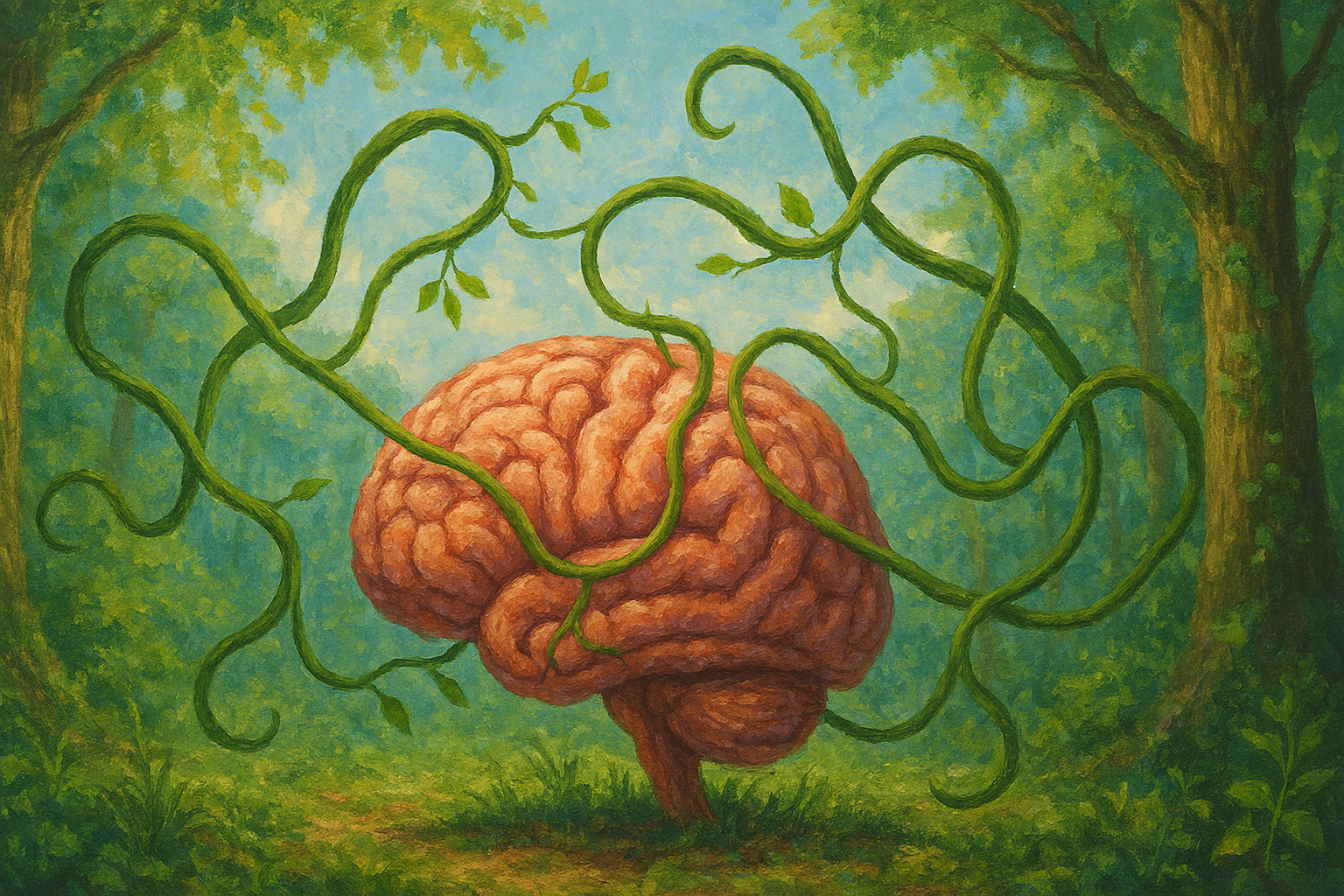
Rewiring the brain supports healthier habits, emotional regulation, and resilience. Recovery from addiction requires rewiring the brain to support new behaviors and new habits. Neuroscience shows that chronic substance use can alter brain pathways related to reward, stress, and decision-making. These changes often make cravings, impulsive behavior, and emotional dysregulation challenging to manage. While therapy, support groups, and medical interventions are essential, integrating mindfulness-based ecotherapy (MBE) provides a unique approach that harnesses the natural environment to support neuroplasticity, emotional healing, and long-term recovery.

Understanding Brain Changes in Addiction

Addiction hijacks the brain’s reward system. Substances or addictive behaviors overstimulate dopamine pathways, creating intense pleasure responses and reinforcing habitual use. Over time, these pathways become dominant, while the prefrontal cortex, the area responsible for decision-making, impulse control, and long-term planning, can lose connections. Stress, trauma, and environmental triggers further exacerbate these changes, making relapse a common risk. Recovery, therefore, involves retraining the brain to respond differently to stress, pleasure, and cravings, establishing new, healthy neural connections.

How Nature Supports Brain Rewiring

Nature has a plethora of neurobiological effects. Research indicates that exposure to green spaces, natural light, and sensory-rich environments reduces cortisol, lowers heart rate, and improves mood. These physiological benefits create the optimal conditions for brain plasticity, which is the brain’s ability to form new connections and strengthen healthier pathways.

When combined with mindfulness, ecotherapy encourages present-moment awareness and conscious engagement with the environment. This combination supports the regulation of emotions, attention, and impulses, key components for rewiring the brain in recovery. For example, observing a flowing river or the gentle sway of trees while practicing mindful breathing can reduce stress responses and enhance prefrontal cortex activity, promoting clarity, decision-making, and emotional balance.

Mindfulness-Based Ecotherapy Techniques for Recovery

MBE offers practical tools to help people in addiction recovery restructure brain function while engaging deeply with nature:

  1. Mindful Walking in Nature – Walking slowly in a forest, park, or along a river encourages body awareness, grounding, and attention to the present. Each step and breath strengthens attentional control, improving the brain’s ability to resist cravings and automatic responses.
  2. Sensory Engagement – Engaging the senses with natural elements by feeling moss under fingertips, listening to birdsong, smelling fresh pine, or other sensory experiences in nature enhances connectivity between sensory and emotional brain regions. This multisensory input fosters neuroplasticity, helping the brain form new, positive associations.
  3. Nature Meditation – Sitting quietly in a natural environment and focusing on sights, sounds, or tactile sensations promotes emotional regulation. Observing thoughts and cravings nonjudgmentally strengthens prefrontal cortex pathways, supporting impulse control and mindful decision-making.
  4. Reflective Journaling Outdoors – Writing about experiences, emotions, and insights while immersed in nature enhances cognitive processing and self-awareness. Journaling creates a feedback loop for reflection, emotional release, and the reinforcement of healthier thought patterns.
  5. Ritualized Nature Activities – Planting a tree, tending a garden, or creating natural art can serve as symbolic acts of transformation. These activities link intention with tangible outcomes, reinforcing positive neural pathways associated with goal-setting, reward, and accomplishment.

Emotional and Cognitive Benefits

Integrating mindfulness-based ecotherapy into recovery offers a range of benefits that support both brain rewiring and emotional healing:

  • Craving Management – Mindful attention in nature allows people to observe cravings without reacting, creating space for choice and self-regulation.
  • Stress Reduction – Nature exposure lowers cortisol and activates the parasympathetic nervous system, reducing the neurobiological triggers for relapse.
  • Emotional Awareness – Mindful engagement with natural environments enhances the ability to recognize, label, and process emotions, strengthening neural circuits for emotional regulation.
  • Reward System Recalibration – Positive experiences in nature stimulate dopamine in healthy ways, supporting the brain’s reward system without substance use.
  • Enhanced Focus and Cognition – Mindful activities in natural settings improve attention, executive function, and working memory, helping people make conscious, deliberate choices in recovery.

Integrating Nature into a Recovery Plan

For people in recovery, consistency is key. Regular engagement with nature, even for short daily or weekly sessions, helps reinforce neural pathways and supports sustained behavior change. Silent walks, journaling sessions, mindful meditations, and garden work can be structured as part of a comprehensive recovery plan, alongside therapy, peer support, and medical care.

Starting small, like with five minutes of mindful observation in a garden or a short walk in a park, can gradually be expanded into longer or more immersive nature experiences. Group retreats or guided programs offer additional support, combining social reinforcement with environmental engagement and mindfulness practices.

Conclusion

Addiction recovery requires rewiring the brain, strengthening emotional regulation, and cultivating resilience. Mindfulness-based ecotherapy provides a unique, scientifically supported approach to support these processes by harnessing the restorative, grounding, and neuroplasticity-promoting effects of nature. By engaging the senses, practicing mindful awareness, and participating in reflective or ritualized activities outdoors, people in recovery can retrain the brain, manage cravings, and foster healthier, adaptive neural pathways.

At the Mindful Ecotherapy Center, we encourage people to integrate nature-based mindfulness practices into their recovery journey. By connecting deeply with the natural world and cultivating mindful presence, people can support brain rewiring, enhance emotional resilience, and sustain long-term recovery. Nature not only heals the body and mind—it offers a living framework for transformation, renewal, and hope.


The Mindful Ecotherapy Center on YouTube

Subscribe to the Mindful Ecotherapy Center’s YouTube channel to bring peace, presence, and healing into your daily life. Our videos guide you through mindfulness-based ecotherapy practices, including forest bathing, tree planting rituals, nature meditations, and reflective exercises for grief, stress, and emotional well-being. Whether you’re seeking to reconnect with the natural world, cultivate inner calm, or find restorative tools for personal growth, our content offers practical guidance, inspiration, and community support. Join us to explore the transformative power of nature and mindfulness, and start your journey toward balance, resilience, and deeper connection today!


Share Your Thoughts!

What do you think? Share your thoughts in the comments below! And don’t forget to subscribe to our newsletter!

Posted on

Addiction and Recovery: How Mindfulness-Based Ecotherapy Supports Healing

Addiction Recovery

Addiction can feel like a relentless storm: powerful, consuming, and difficult to navigate. For people struggling with substance use or behavioral dependencies, the path to recovery often requires more than willpower alone. Traditional therapy, support groups, and medical interventions are crucial components of recovery, yet integrating mindfulness-based ecotherapy (MBE) offers a complementary approach that nurtures both mind and body. By connecting with nature while practicing mindfulness, people can develop self-awareness, emotional regulation, and resilience. These are all critical tools for sustaining recovery and building a meaningful, balanced life.

Understanding Addiction Through a Mindful Lens

Addiction is not a lack of self-control; it often stems from complex interactions between biology, environment, and psychological factors. People may use substances or behaviors to cope with stress, trauma, or emotional pain. Mindfulness helps interrupt automatic patterns by encouraging present-moment awareness and nonjudgmental observation of thoughts, cravings, and emotions. When combined with ecotherapy, mindfulness becomes embodied, allowing people to experience the healing power of the natural world while exploring their internal landscapes.

How Nature Enhances Recovery

Nature has a profound capacity to restore, calm, and regulate the nervous system. Research consistently shows that spending time in natural environments reduces stress, lowers cortisol levels, and improves mood. For people in recovery from addiction, these effects are especially valuable. Nature provides a safe, nonjudgmental space to reflect, release tension, and gain perspective on life’s challenges.

Being in natural settings encourages slower breathing, deeper relaxation, and heightened sensory awareness. Listening to rustling leaves, feeling the texture of soil, or observing the movement of water can anchor attention and create a sense of calm. This grounding in the present moment reduces the urge to escape into addictive behaviors and strengthens the ability to cope with cravings or emotional triggers.

Mindfulness-Based Ecotherapy Practices for Addiction Recovery

Mindfulness-based ecotherapy integrates traditional mindfulness practices with direct engagement in natural environments. Some effective MBE techniques for supporting recovery include:

  1. Nature Meditation – Sitting quietly outdoors, focusing on the sensations of the environment, and observing thoughts without judgment helps people develop emotional regulation and clarity. Nature acts as both anchor and mirror, encouraging acceptance of internal experiences.
  2. Mindful Walking – Slow, intentional walking in a forest, park, or along a beach encourages embodied awareness. People can focus on each step, the rhythm of their breath, and the sights and sounds around them, strengthening present-moment attention and reducing compulsive thought patterns.
  3. Grounding Exercises – Touching soil, feeling tree bark, or placing bare feet on grass can reconnect people to their bodies and the Earth, promoting stability, calm, and embodied mindfulness. These exercises help reduce anxiety and cravings.
  4. Reflective Journaling – Writing in nature about cravings, triggers, emotions, and progress allows people to externalize feelings in a safe, supportive environment. Journaling enhances self-awareness, insight, and emotional release, supporting long-term recovery.
  5. Rituals of Renewal – Simple acts, such as planting a tree, tending a garden, or arranging natural objects, can serve as symbolic gestures of growth and renewal. These practices help people honor progress, celebrate milestones, and reinforce their commitment to recovery.

Emotional and Cognitive Benefits

Mindfulness-based ecotherapy offers multidimensional benefits for people in addiction recovery:

  • Stress Reduction – Engaging the senses in natural environments and practicing mindfulness decreases physiological and emotional stress, which is a common trigger for relapse.
  • Craving Management – Present-moment awareness allows people to observe cravings without reacting automatically, creating space for intentional choice.
  • Emotional Regulation – Mindful observation of thoughts and feelings in a safe natural setting strengthens the ability to tolerate discomfort and navigate intense emotions.
  • Self-Compassion – Nature and mindfulness together promote nonjudgmental acceptance, reducing shame and guilt that often accompany addiction.
  • Connection and Belonging – Being in nature fosters a sense of interconnectedness—with the Earth, with others, and with oneself—supporting holistic recovery and social well-being.

Integrating MBE into a Recovery Plan

For people seeking to incorporate mindfulness-based ecotherapy into their recovery, consistency is key. Daily or weekly nature-based practices can reinforce coping skills, emotional awareness, and resilience. Group retreats or guided programs offer additional support, combining peer encouragement with structured mindfulness exercises in natural settings.

It’s also important to integrate MBE with professional support, such as counseling, medical care, or addiction support groups. Mindfulness-based ecotherapy is complementary, enhancing traditional approaches rather than replacing them. Together, these strategies create a robust, holistic framework for long-term recovery.

Practical Tips for Getting Started

  1. Find a Natural Setting – Parks, gardens, trails, or even a backyard can serve as restorative environments. Choose a location that feels safe, comfortable, and conducive to reflection.
  2. Set Intentions – Begin each session by clarifying what you hope to achieve, whether it’s processing cravings, reducing stress, or reflecting on recovery progress.
  3. Engage the Senses – Focus on sights, sounds, smells, and textures to fully inhabit the present moment.
  4. Start Small – Even 10–15 minutes of mindful engagement in nature can provide noticeable benefits. Gradually extend your practice as comfort grows.
  5. Keep a Journal – Record thoughts, feelings, and observations after each session. Journaling helps track patterns, progress, and insights.

Conclusion

Recovery from addiction is a lifelong process that requires courage, patience, and support. Mindfulness-based ecotherapy offers a powerful, complementary approach by integrating the restorative qualities of nature with present-moment awareness. Through meditation, mindful walking, journaling, and ritualized connection with the natural world, people can develop emotional regulation, reduce stress, and strengthen resilience.

At the Mindful Ecotherapy Center, we encourage people in recovery to explore mindfulness-based ecotherapy as a supportive tool on their healing journey. By connecting with nature and cultivating mindful presence, people can process cravings, manage emotions, and foster a deeper sense of self-compassion. Ultimately, MBE not only supports recovery but also nurtures a more balanced, connected, and meaningful life—one step at a time, in harmony with the natural world.


The Mindful Ecotherapy Center on YouTube

Subscribe to the Mindful Ecotherapy Center’s YouTube channel to bring peace, presence, and healing into your daily life. Our videos guide you through mindfulness-based ecotherapy practices, including forest bathing, tree planting rituals, nature meditations, and reflective exercises for grief, stress, and emotional well-being. Whether you’re seeking to reconnect with the natural world, cultivate inner calm, or find restorative tools for personal growth, our content offers practical guidance, inspiration, and community support. Join us to explore the transformative power of nature and mindfulness, and start your journey toward balance, resilience, and deeper connection today!


Share Your Thoughts!

What do you think? Share your thoughts in the comments below! And don’t forget to subscribe to our newsletter!