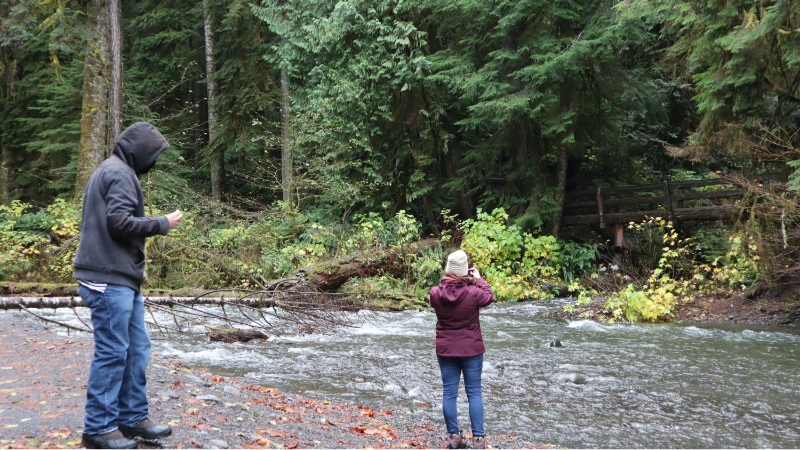

Table of Contents
Nature as Metaphor is one of the skills of Mindfulness-Based Ecotherapy. Grief is a journey that often feels unpredictable, cyclical, and at times, overwhelming. People experiencing loss may feel as though they are swept along by waves of sadness, anger, or longing that come and go with little warning. One way to make sense of this emotional landscape is by turning to the natural world. Nature as Metaphor demonstrates how nature itself moves through cycles of growth, decay, dormancy, and renewal, offering a mirror for the human grieving process through the skill of Nature as Metaphor. By practicing mindfulness in harmony with the seasons, people can cultivate understanding, acceptance, and healing, using the rhythms of nature as both guide and companion.
Nature as Metaphor: The Cycles of Nature and the Cycles of Grief
Each season embodies unique qualities that can reflect stages and experiences of grief. Spring, summer, autumn, and winter are not just changes in weather; they are symbolic landscapes for emotional processing. Observing and engaging with these seasonal shifts mindfully through the skill of Nature as Metaphor can help people recognize that grief, like nature, is a cyclical process.
- Spring: Renewal and Fragility
Spring is a season of rebirth and new beginnings. The first buds, fresh shoots, and blooms can symbolize hope and the emergence of life after loss. For people in the early stages of grief, spring may bring moments of lightness or the gradual reawakening of energy and curiosity. Mindful observation of spring encourages presence: noticing the delicate petals, listening to birdsong, or feeling the sun’s warmth can help people experience grief with gentle awareness, acknowledging sorrow while also welcoming moments of growth. - Summer: Vitality and Engagement
Summer represents fullness, activity, and outward expression. In grief, people may find themselves stepping back into life by connecting with others, engaging in work or hobbies, and feeling bursts of energy. Mindfulness in summer encourages people to fully inhabit these moments without guilt or judgment, recognizing that joy and engagement are not betrayals of loss but part of the ongoing healing process. Observing nature’s abundance, such as lush greenery or warm sunlight, reinforces the idea that life continues to flourish even amidst grief. - Autumn: Reflection and Letting Go
Autumn is often the season most closely associated with grief. Falling leaves, shorter days, and cooler air reflect themes of impermanence, transition, and letting go. Mindfulness in autumn invites people to slow down, observe, and reflect. Collecting fallen leaves, watching trees shed their foliage, or simply noticing the changing colors can serve as a meditative practice. These observations remind people that loss is natural and that surrendering to impermanence can open space for acceptance and emotional processing. - Winter: Stillness and Contemplation
Winter embodies rest, quiet, and introspection. For many people, grief may feel most intense in this season, mirroring the stillness and dormancy of the natural world. Mindful attention in winter can be especially healing: sitting quietly in a snowy landscape, observing frost patterns, or listening to the wind through bare branches can provide solace and grounding. Winter teaches patience and endurance, reminding people that even when life seems dormant, transformation is happening beneath the surface.
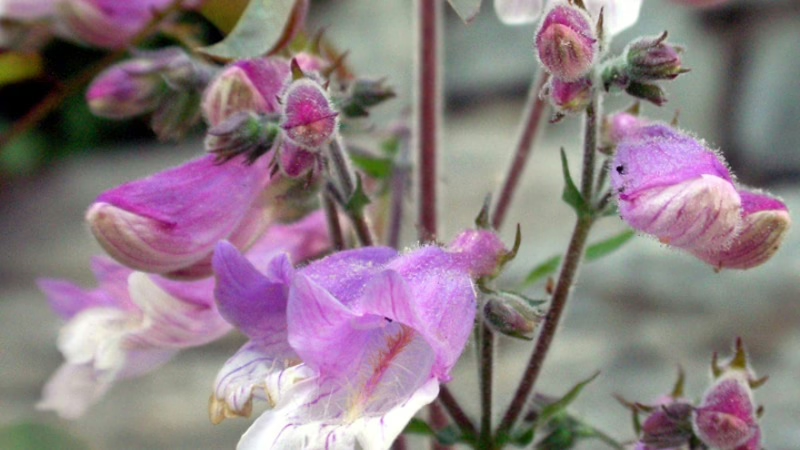
Nature as Metaphor: Mindfulness Practices for Seasonal Grief Work
Integrating mindfulness into seasonal awareness allows people to use Nature as Metaphor as a supportive context for processing grief. Nature as Metaphor practices include:
- Sensory Observation – Engage all senses with the seasonal environment. Notice textures, scents, sounds, and visual patterns. For example, the crispness of autumn leaves or the warmth of spring sunlight can anchor attention in the present moment, providing relief from ruminative thoughts.
- Reflective Journaling – People can write about their emotional experiences in relation to the season. Journaling outdoors deepens the connection between inner and outer worlds, offering a tangible way to track emotional shifts over time.
- Seasonal Rituals – Rituals such as planting a tree in spring, collecting fallen leaves in autumn, or lighting a candle during winter provide symbolic acts of remembrance and reflection. These rituals honor grief while fostering a sense of continuity and meaning.
- Mindful Walking – Moving slowly through natural spaces encourages embodied mindfulness. Paying attention to each step, the rhythm of the breath, and the surrounding environment helps people feel grounded and present, even in the midst of emotional turbulence.
The Benefits of Seasonal Mindfulness for Grief through Nature as Metaphor
Practicing mindfulness in alignment with the seasons offers multiple benefits for coping with loss:
- Emotional Regulation – Seasonal awareness helps people recognize the ebb and flow of grief, reducing overwhelm and promoting calm.
- Connection to Nature – Observing natural cycles fosters a sense of belonging and perspective, reminding people that change and renewal are part of life.
- Symbolic Processing – Each season provides metaphors for the stages and experiences of grief, supporting reflection, insight, and meaning-making.
- Ritual and Structure – Seasonal rituals create a consistent framework for grieving, offering predictability and support during emotional upheaval.
Conclusion
Grief is not a linear process, and no single method can eliminate its challenges. However, by practicing mindfulness in concert with the natural world, people can navigate grief with awareness, patience, and compassion. Observing seasonal cycles through Nature as Metaphor from the renewal of spring to the quiet of winter provides a living metaphor for emotional healing, illustrating that sorrow and hope coexist, and that growth can emerge even from loss.
At the Mindful Ecotherapy Center, we encourage people to explore mindfulness and seasonal awareness as complementary tools for grief work. Whether sitting beneath the first blossoms of spring, walking through autumn leaves, or quietly observing a winter landscape, nature offers a reflective, restorative space for mourning, remembrance, and renewal. By aligning grief practices with the rhythms of the earth, people can honor loss while cultivating resilience, perspective, and connection to both themselves and the living world around them.
The Mindful Ecotherapy Center on YouTube
Subscribe to the Mindful Ecotherapy Center’s YouTube channel to bring peace, presence, and healing into your daily life. Our videos guide you through mindfulness-based ecotherapy practices, including forest bathing, tree planting rituals, nature meditations, and reflective exercises for grief, stress, and emotional well-being. Whether you’re seeking to reconnect with the natural world, cultivate inner calm, or find restorative tools for personal growth, our content offers practical guidance, inspiration, and community support. Join us to explore the transformative power of nature and mindfulness, and start your journey toward balance, resilience, and deeper connection today!
Share Your Thoughts!
What do you think? Share your thoughts in the comments below! And don’t forget to subscribe to our newsletter!