

Posted on Leave a comment

Radical Acceptance: A Positive Path Out of Emotional Struggle

radical acceptance

Radical acceptance is one of the most powerful and misunderstood skills in Mindfulness-Based Ecotherapy. You are often taught, implicitly or explicitly, that uncomfortable emotions must be fixed, suppressed, or eliminated. Radical acceptance offers a different and far more effective approach. It teaches you that you can experience emotions and thoughts fully without engaging in behavioral cycles that lead to negative consequences. You learn that pain is part of being human, but suffering is often optional.

The Mindfulness-Based Ecotherapy skill of radical acceptance teaches you that you are not your thoughts and you are not your emotions. Thoughts and feelings are not commands, identities, or truths. They are temporary processes of the brain, shaped by learning, memory, trauma, biology, and context. When you fuse with them, believing they define who you are or dictate what you must do, you lose flexibility. When you relate to them with awareness and acceptance, you regain choice.

Radical Acceptance and the Shift From Reaction to Response

Radical acceptance does not mean liking what is happening, approving of harm, or giving up on change. It means clearly acknowledging reality as it is in this moment, without adding layers of resistance. When you fight reality internally, your nervous system remains activated, keeping you locked in cycles of anxiety, anger, shame, or avoidance. Research consistently shows that experiential avoidance, the attempt to escape unwanted internal experiences, is strongly linked to psychological distress and maladaptive behavior (Hayes et al., 2020).

When you practice radical acceptance, you stop arguing with what already exists. You allow thoughts to arise and pass. You allow emotions to move through the body. This creates space between what you feel and what you do. Instead of reacting automatically, you respond intentionally. This skill is foundational in mindfulness-based and acceptance-based therapies, including Acceptance and Commitment Therapy and Dialectical Behavior Therapy, both of which emphasize acceptance as a pathway to psychological flexibility (Linehan, 2020; Hayes et al., 2020).

You Are Not Your Thoughts or Emotions

One of the most liberating aspects of radical acceptance is learning to defuse from internal experiences. A thought like “I am failing” is no longer treated as a fact. An emotion like fear is no longer treated as a threat that must be eliminated. Instead, thoughts are seen as mental events and emotions as physiological and psychological processes. Neuroscience research supports this perspective, showing that emotional experiences are dynamic brain-body states that change when they are observed with nonjudgmental awareness rather than suppressed or amplified (Dahl et al., 2020).

This shift matters because behavior follows relationship, not content. When you believe your thoughts unquestioningly, you act as if they are instructions. When you accept their presence without attachment, you gain the freedom to choose actions aligned with your values rather than your impulses.

Radical Acceptance in Mindfulness-Based Ecotherapy

In Mindfulness-Based Ecotherapy, radical acceptance is practiced not only internally but also in relationship with the natural world. Nature offers constant demonstrations of acceptance without resignation. A river does not resist obstacles; it moves around them. A forest does not judge decay; it integrates it into renewal. When you practice radical acceptance outdoors, your body often understands the lesson before your mind catches up.

Ecotherapy supports radical acceptance by engaging your senses and grounding you in the present moment. Sitting with discomfort while noticing birdsong or the rhythm of waves can regulate the nervous system, making acceptance more accessible. Research since 2020 shows that nature-based mindfulness practices reduce rumination and emotional reactivity while increasing psychological flexibility and self-regulation (Schutte & Malouff, 2021; Passmore & Howell, 2020).

Acceptance Is the Doorway to Change

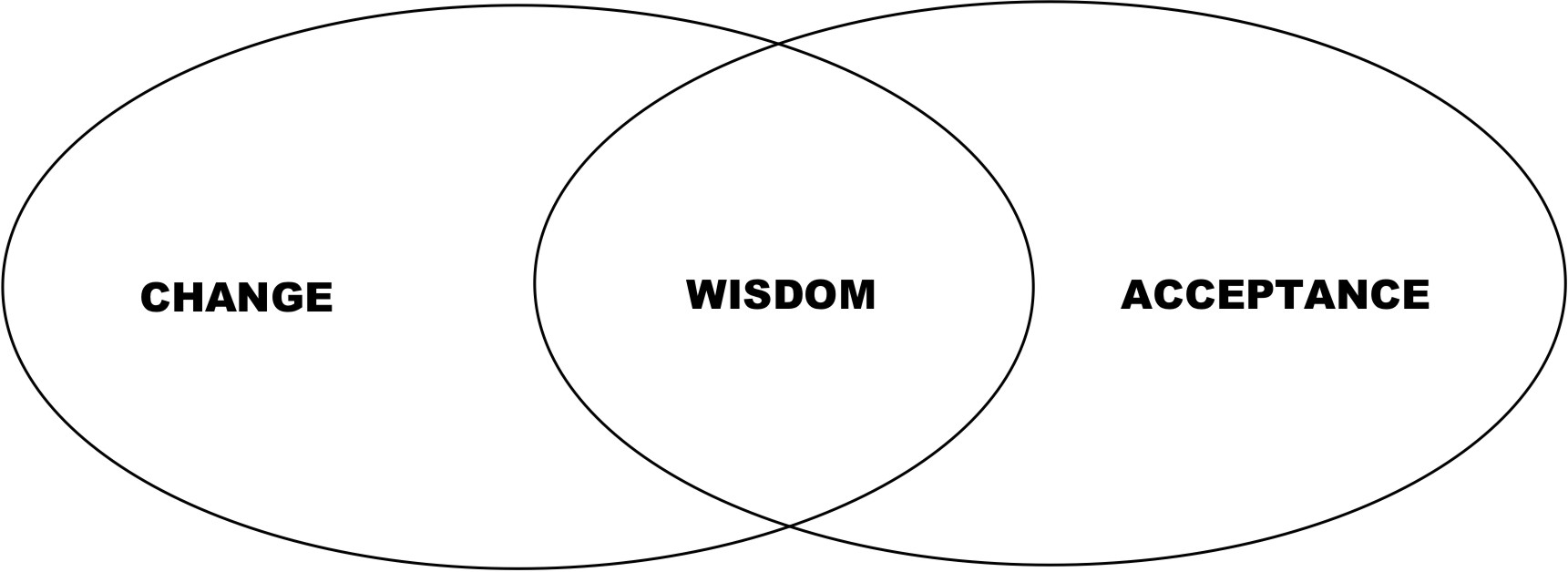
Paradoxically, radical acceptance is what allows meaningful change to occur. When you stop wasting energy fighting internal experiences, that energy becomes available for skillful action. You can feel anger without acting aggressively. You can feel anxiety without avoiding life. You can feel sadness without collapsing into hopelessness. Acceptance creates stability. Stability creates choice.

At the Mindful Ecotherapy Center, radical acceptance is taught as a lived practice,. You learn to notice when resistance shows up in your body, your thoughts, and your behaviors. You learn to soften your grip. Over time, you experience a quiet but profound shift. Life becomes less about controlling what you feel and more about living fully, even when feelings are difficult.

To explore how radical acceptance and other Mindfulness-Based Ecotherapy skills can support your well-being, visit www.mindfulecotherapycenter.com


References

Dahl, C. J., Wilson-Mendenhall, C. D., & Davidson, R. J. (2020). The plasticity of well-being: A training-based framework for the cultivation of human flourishing. Proceedings of the National Academy of Sciences, 117(51), 32197–32206. https://doi.org/10.1073/pnas.2014859117

Hayes, S. C., Strosahl, K. D., & Wilson, K. G. (2020). Acceptance and commitment therapy: The process and practice of mindful change (2nd ed.). Guilford Press.

Linehan, M. M. (2020). DBT skills training manual (2nd ed.). Guilford Press.

Passmore, H. A., & Howell, A. J. (2020). Nature involvement increases hedonic and eudaimonic well-being: A two-week experimental study. Ecopsychology, 12(1), 1–11. https://doi.org/10.1089/eco.2019.0025

Schutte, N. S., & Malouff, J. M. (2021). Mindfulness and connectedness to nature: A meta-analytic investigation. Personality and Individual Differences, 179, 110984. https://doi.org/10.1016/j.paid.2021.110984


Share Your Thoughts About Radical Acceptance!

What do you think? Share your thoughts in the comments below!


  And don’t forget to subscribe to our newsletter!

Posted on

Dialectical Behavior Therapy: 6 Essential Reasons It Works

Dialectical Behavior Therapy

Dialectical Behavior Therapy (DBT) has earned a reputation as one of the most effective forms of therapy for managing intense emotions, self-destructive behaviors, and interpersonal challenges. Developed by Dr. Marsha Linehan in the late 1980s, DBT is a structured, evidence-based approach that combines cognitive-behavioral strategies with mindfulness practices. At the Mindful Ecotherapy Center, we integrate mindfulness-based ecotherapy techniques into DBT to enhance emotional regulation and promote deeper self-awareness. Here are six essential reasons why Dialectical Behavior Therapy works so effectively.

1. Mindfulness Is at the Core of Dialectical Behavior Therapy

Dialectical Behavior Therapy (DBT) emphasizes mindfulness, the practice of paying deliberate attention to the present moment without judgment. By learning to observe thoughts and emotions without being overwhelmed by them, people can break cycles of reactivity that often lead to self-harm, anxiety, or relationship conflicts. In mindfulness-based ecotherapy, this practice is extended outdoors, connecting people with natural environments to enhance focus, reduce stress, and strengthen grounding. Nature becomes an ally in cultivating awareness, making DBT skills more accessible and tangible.

2. Skills Are Practical and Action-Oriented

Unlike traditional therapy that may focus primarily on insight, DBT equips you with practical skills for real-world situations. These skills are organized into four main modules: mindfulness, distress tolerance, emotional regulation, and interpersonal effectiveness. Patients learn to tolerate distress without resorting to harmful behaviors, manage intense emotions effectively, and communicate their needs assertively. Integrating these skills into daily life ensures that therapy is not just theoretical but transformative.

3. Validation and Acceptance Reduce Emotional Resistance

A hallmark of DBT is the balance between acceptance and change. Therapists validate clients’ experiences and emotions, acknowledging that their feelings are real and understandable. This validation reduces emotional resistance, fosters trust, and creates a safe therapeutic environment. Coupling this with nature-based experiences in ecotherapy allows clients to witness and accept the natural flow of life, enhancing the effectiveness of acceptance strategies in DBT.

Dialectical Behavior Therapy

4. Structured Approach Encourages Consistency

DBT follows a highly structured framework that includes individual therapy, skills training groups, phone coaching, and therapist consultation teams. This multi-layered approach provides consistent support and accountability, ensuring that clients have multiple avenues to practice and reinforce their skills. For those struggling with high-functioning anxiety or emotional dysregulation, the predictable structure of DBT can be profoundly stabilizing.

5. Focus on Building Emotional Resilience

DBT equips practitioners with tools to withstand life’s challenges. By learning to regulate emotions, tolerate distress, and navigate interpersonal dynamics, clients develop resilience that supports long-term well-being. Integrating ecotherapy amplifies this effect, as time in nature naturally reduces stress hormones, improves mood, and strengthens adaptive coping mechanisms. The combination of DBT and mindfulness-based ecotherapy creates a holistic pathway to emotional resilience.

6. Evidence-Based Success Across Diverse Populations

Research has repeatedly shown DBT’s effectiveness for people with borderline personality disorder, depression, anxiety, post-traumatic stress, and self-harming behaviors. Its adaptability makes it effective for a wide range of clients, including those who may not respond to traditional talk therapy. When combined with ecotherapy principles, DBT can be tailored to each person’s needs, providing individualized support that addresses both psychological and environmental factors.

Dialectical Behavior Therapy works because it blends mindfulness, practical skills, validation, structured support, emotional resilience, and evidence-based practices into a cohesive therapeutic model. At the Mindful Ecotherapy Center, we enhance DBT by integrating ecotherapy experiences, helping clients connect with both themselves and the natural world. This integration deepens mindfulness, strengthens coping skills, and supports long-term emotional well-being.

DBT is a roadmap for living with awareness, acceptance, and adaptability. By combining its proven techniques with the grounding benefits of nature, you too can find relief from emotional turbulence and discover a sense of calm, connection, and clarity.


Share Your Thoughts on Dialectical Behavior Therapy!

What do you think? Share your thoughts in the comments below! And don’t forget to subscribe to our newsletter!
Posted on

Teletherapy Services Coming Soon in South Carolina

client portal teletherapy client portal

The Mindful Ecotherapy Center, LLC is excited to announce that we will soon be offering online therapy services for residents of South Carolina! As a leader in mindfulness-based ecotherapy, we understand the importance of accessible mental health services. With telehealth, clients can receive high-quality, evidence-based therapeutic support from the comfort of their homes. Whether you’re dealing with stress, anxiety, depression, or seeking guidance on mindful living, our teletherapy services will provide a secure and convenient way to access professional help.

Who Will Provide Teletherapy Services?

teletherapy with Charlton Hall, MMFT, PhD

Charlton Hall, PhD, LMFT #4525 will offer our virtual therapy services. Dr. Hall is a Licensed Marriage and Family Therapist with extensive experience in mindfulness-based approaches to therapy. He is the founder of the Mindful Ecotherapy Center, LLC and has dedicated his career to integrating ecotherapy and mindfulness techniques into clinical practice. With a deep understanding of how nature and mindfulness can facilitate healing, Charlton Hall brings a compassionate and holistic approach to therapy.

What is Teletherapy?

Teletherapy, also known as online therapy or virtual counseling, allows clients to engage in therapy sessions remotely using secure video conferencing technology. This innovative approach eliminates the need for travel and makes it easier for individuals with busy schedules, mobility issues, or rural living situations to access mental health support. Remote therapy is just as effective as in-person therapy for many mental health concerns and provides the same level of confidentiality and professional care.


System Requirements for Teletherapy Sessions

To ensure a smooth and effective telehealth counseling experience, clients must meet the following system requirements:

Hardware Requirements

  • A desktop computer, laptop, tablet, or smartphone with a camera and microphone
  • A stable internet connection with at least 10 Mbps download and 3 Mbps upload speeds
  • Headphones or speakers for clear audio communication

Software Requirements

  • A web browser such as Google Chrome, Mozilla Firefox, or Microsoft Edge (for web-based video chat platforms)
  • Downloaded telehealth software (if required)
  • Updated operating system (Windows, macOS, iOS, or Android)

Environmental Requirements

  • A quiet, private space with minimal distractions
  • Good lighting to ensure clear video quality
  • A comfortable chair and workspace to facilitate a relaxing session

Benefits of Teletherapy with the Mindful Ecotherapy Center

Convenience and Accessibility

Teletherapy allows you to attend sessions from anywhere in South Carolina, removing the need for travel. This is especially beneficial for individuals living in rural areas where access to mental health services may be limited.

Confidential and Secure

The Mindful Ecotherapy Center, LLC uses secure, HIPAA-compliant platforms to ensure the privacy and confidentiality of your therapy sessions. Your personal health information will remain protected at all times.

Continued Support in Your Journey

Our teletherapy services will allow you to continue your mental health journey with a licensed professional who understands your needs. Whether you are seeking help for stress management, anxiety reduction, or personal growth, we are here to guide you.


How to Get Started

If you are interested in scheduling a teletherapy session with Charlton Hall, LMFT #4525, the process is simple:

  1. Contact Us – Reach out through our website to inquire about available appointment times.
  2. Complete Intake Forms – We will provide the necessary forms to complete before your first session.
  3. Confirm Technology Setup – Test your internet connection and video chat software before your session.
  4. Start Your Journey – Join your scheduled session from the comfort of your home and begin your path toward wellness.

Stay Connected

Stay updated on the latest teletherapy news and mental health resources by following the Mindful Ecotherapy Center, LLC online. As we finalize our teletherapy offerings, we will share more details on our website and social media pages.

For more information, visit Mindful Ecotherapy Center, LLC and take the first step toward a healthier, more mindful life.