Posted on

The River of Your Mind: Understanding Thoughts and Feelings Through Mindfulness

river thought streams the river

At the Mindful Ecotherapy Center, we often return to a simple but powerful image: your thoughts and feelings are a river. This stream is always moving, always changing, and never the same from one moment to the next. Sometimes it is calm and clear. Other times it is fast, turbulent, and filled with debris. But it is always a stream, flowing whether you pay attention to it or not.

The question is not whether the river exists. The question is: how do you relate to it?

What Does Your Inner River Look Like?

Your internal experience…your thoughts, emotions, impulses, memories, and reactions…can be understood as water moving through a continuous system. In mindfulness practice, you learn to observe that stream rather than being swept away by it.

Sometimes positive thoughts rise to the surface: gratitude, joy, connection, hope. At other times, more difficult experiences appear: anger, anxiety, sadness, frustration, or overwhelm. None of these states is permanent, and none of them defines who you are.

The stream simply carries what flows through it.

When you begin to see your inner life this way, you start to notice an important shift: you are not the water itself. You are the awareness that can notice the water.


River Water Meditation

The Six Mindfulness Skills and the Flow of the River

Mindfulness is not just a vague idea of “being present.” It is a set of practical skills that help you relate differently to your inner stream. These six skills are:

When you observe, you notice the river without trying to change it. You simply see what is present: thoughts, sensations, emotions moving through awareness.

When you describe, you put gentle language to your experience: “I am noticing anger,” or “I am feeling tension,” rather than becoming fused with it.

When you participate, you fully engage with life while remaining aware of the stream in the background.

When you are non-judgmental, you stop labeling the flow as “good” or “bad.” It just is.

When you are one-mindful, you bring your attention fully to the present moment instead of being pulled into past regrets or future fears.

When you are effective, you choose actions that support your well-being rather than reacting automatically from emotional intensity.

Together, these skills help you recognize something essential: your emotional states are processes, not permanent identities.

Standing on the Riverbank: You Are Not Your Thoughts

One of the most important insights in mindfulness is this: you are not your thoughts, and you are not your feelings.

You may experience anger, but you are not “an angry person.” You may feel sadness, but you are not “a depressed person.” You may feel anxiety, but you are not “an anxious identity.”

You are the awareness that notices these states passing through the river of your mind.

This distinction matters deeply, especially when emotional intensity leads to reactive or aggressive behavior. When you believe you are your emotions, you are more likely to act from them automatically. But when you see emotions as temporary events, you gain the ability to pause, observe, and choose your response.

Sometimes the most powerful action is not to jump into the stream, but to step onto the riverbank and watch it flow.

You are still you, even when you are not swept away.

The River of Perfection and Emotional Pressure

Emotional aggression and distress often arise when there is an internal demand for perfection. Many people who struggle with emotional regulation are deeply passionate and caring. You feel strongly, and that intensity matters. But when that intensity becomes tied to rigid expectations, suffering increases.

Perfection is especially tricky because it has no universal definition. If you ask three people what a “perfect day” looks like, you will likely hear three completely different answers. For one person, perfection might be a quiet day at the beach. For another, it might be hiking in the mountains. For someone else, it might be a day immersed in books and silence.

So what is “perfect,” really?

The truth is that perfection is not an objective reality. It is a personal construction. And when your internal definition of perfection becomes rigid, impossible, or constantly out of reach, you create unnecessary emotional pressure within yourself.

That pressure often flows into the river as frustration, self-criticism, or emotional reactivity.

Mindfulness invites you to loosen your grip on perfection. You are allowed to redefine it in ways that are human, flexible, and achievable. You are also allowed to step away from perfection-based self-judgment entirely.

You do not need to meet impossible standards to be worthy of peace.

Letting the River Flow Without Becoming It

The goal of mindfulness is not to stop the river. You cannot dam your thoughts and feelings without consequences. Suppression does not end the flow. It simply creates pressure. Another way to look at it is that telling yourself not to think about it is thinking about it.

Instead, mindfulness teaches you to change your relationship with the river.

You learn to notice it. To sit beside it. To feel its movement without being carried away by every current. You learn that even intense emotional states rise and fall like water moving through changing terrain.

And perhaps most importantly, you learn this: You always have a choice about where you stand in relation to your experience.

Sometimes you are in the river. Sometimes you are on the bank. Both are part of being human. The practice is learning when to step out, when to observe, and when to engage with intention rather than reaction.

Closing Reflection: The River Always Flows

Your thoughts and feelings will continue to flow like a river for as long as you live. They will shift, intensify, soften, and change direction without warning. Mindfulness does not ask you to control that flow.

It asks you to see it clearly.

And in that clarity, you begin to realize something quietly life-changing: you are not the river. You are the awareness in which the river flows.


Share Your Thoughts About the River of the Mind!

What do you think? Share your thoughts in the comments below!


  And don’t forget to subscribe to our newsletter!

Posted on

NEW COURSE: Ethics and Ecotherapy

ethics and ecotherapy
  • Target Audience: Mental Health Professionals
  • ONLINE Continuing Education Hours: 2 (Two)
  • NBCC Approval: Yes
CLICK HERE TO PURCHASE THIS COURSE! ON SALE UNTIL JUNE 30, 2023!

Course Description for Ethics and Ecotherapy

Ecotherapy usually includes doing therapy outdoors. Therapy in non-traditional settings presents unique ethical challenges. These ethical issues are usually not covered in therapy graduate school programs. In this course, we will discuss how to address some common ethical issues for therapists and counselors that are unique to the process of ecotherapy. The Ethics and Ecotherapy online course offered by the Mindful Ecotherapy Center explores the complex moral and professional considerations that arise when integrating psychotherapy with nature-based interventions. As ecotherapy continues to grow as a clinical approach, it introduces unique ethical challenges that go beyond traditional office-based therapy, requiring practitioners to rethink boundaries, responsibility, and context in more-than-human environments. One of the central ethics issues addressed in the course is informed consent in outdoor settings. Unlike a controlled clinical office, ecotherapy often takes place in forests, parks, or other natural environments where risks are less predictable. Clients must be fully informed not only about therapeutic goals but also about environmental variables such as weather, terrain, wildlife, and physical exertion. The course emphasizes that consent is an ongoing process, not a one-time form, and must be revisited as conditions change in real time. Another major focus in the ethics of ecotherapy is therapeutic boundaries in nature-based settings. Traditional office boundaries are spatially clear, but ecotherapy blurs these lines. Walking side-by-side rather than sitting face-to-face, encountering community members during sessions, or sharing public natural spaces can challenge conventional notions of privacy and neutrality. The course explores how clinicians can maintain professionalism while adapting to more fluid and relational environments. The course also highlights dual relationships and ecological embeddedness . In rural or retreat-based ecotherapy contexts, therapists may share overlapping community roles with clients. Additionally, the “third presence” of nature complicates the dyadic therapist-client relationship. Students are encouraged to consider ethical frameworks that impact ethics when engaging in ecotherapy. These are ethics that include the natural world as an active participant rather than a passive backdrop. Environmental ethics is another distinctive component. Practitioners are asked to consider the impact of their presence on ecosystems, including issues like trail erosion, wildlife disturbance, and Leave No Trace principles. Ethical practice in ecotherapy extends beyond human welfare to include ecological stewardship and sustainability. Finally, the course addresses competence and scope of practice, emphasizing that therapists must be properly trained in both clinical mental health and outdoor facilitation skills, including risk assessment and emergency preparedness. Overall, the Ethics and Ecotherapy course by the Mindful Ecotherapy Center frames ethical practice as an evolving, relational process that integrates human well-being with ecological responsibility, recognizing that therapy in nature is always embedded in a living system.

Course Objectives for Ethics and Ecotherapy

After taking this Ethics and Ecotherapy course the student will be able to:
  • Discuss and describe confidentiality and informed consent issues common to the practice of ecotherapy
  • Discuss training recommendations regarding the practice of ecotherapy
  • Discuss assessment and client safety issues common to the practice of ecotherapy
  • Discuss and describe what constitutes dual relationships in ecotherapy
  • Discuss and describe values conflicts in ecotherapy settings
  • Develop a sense of self-awareness for counselors and therapists practicing ecotherapy

Course Instructions for Ethics and Ecotherapy

This is a recorded version of a course that was offered on Tuesday, June 20, 2023. This version of the course is for ONLINE CONTINUING EDUCATION CREDIT. Once you have purchased the course, there will be several course documents available for download, plus a series of lessons including a two-hour video presentation. When you have completed the presentation and the review, there will be a final exam. You have three attempts to pass the final exam with a score of 80% or higher. Once you have passed the final a certificate of completion will be generated in pdf format for your records.

Be informed when new courses are added –

subscribe to the Mindful Ecotherapy Center’s monthly newsletter.

Click here to read our refund and return policy

Click here to read our Privacy Policy, Terms and Conditions, and Program Policies


We have a feature that prevents brute force attacks on the website. If you have unsuccessfully attempted to login more than three times you will be locked out of your account for five minutes. Please try again after five minutes.
Posted on

Ethics of Ecotherapy TOMORROW

ethics and ecotherapy

In our ongoing effort to improve the quality of the courses we offer, we will be applying to the National Board for Certified Counselors (NBCC) to be able to provide LIVE continuing education opportunities in addition to our online offerings.

As part of this process we are offering this FREE two-hour course on Ethics in Ecotherapy in June of 2023!

This course will cover some ethics issues common to the practice of ecotherapy. In addition to two free hours of continuing education on the Ethics of Ecotherapy, participants will receive a coupon code good for $25 off any course offered by the Mindful Ecotherapy Center, LLC.

This course will be conducted by Zoom, so you will need access to Zoom for the course.

This course will be live TOMORROW, June 20, at 10:00 a.m. Pacific Time.

Join Zoom Meeting
https://us06web.zoom.us/j/89945203020?pwd=YzNTYnhoT2xqYkt3M0pTYk5wSG1lQT09

Meeting ID: 899 4520 3020
Passcode: 462232

If you are attending, please make sure you have updated Zoom to the latest version! Older versions may not work with this course!


Ecotherapy usually includes doing therapy outdoors. Therapy in non-traditional settings presents unique ethical challenges. These ethical issues are usually not covered in therapy graduate school programs. In this course we will discuss how to address some common ethical issues for therapists and counselors that are unique to the process of ecotherapy.  

Course Objectives

After taking this course the student will be able to:

  • Discuss and describe confidentiality and informed consent issues common to the practice of ecotherapy
  • Discuss training recommendations regarding the practice of ecotherapy
  • Discuss assessment and client safety issues common to the practice of ecotherapy
  • Discuss and describe what constitutes dual relationships in ecotherapy
  • Discuss and describe values conflicts in ecotherapy settings
  • Develop a sense of self-awareness for counselors and therapists practicing ecotherapy  

Course Instructions

This is a LIVE course that will be offered on Tuesday, June 20, 2023 at 10 a.m. Pacific Daylight Savings Time. An email reminder containing the Zoom code to access the course will be sent the day before the conference. The conference will be presented on Zoom. You need to be present for the duration of the course to get course credit.

The course will be two hours on Zoom. At the end of the course you will have access to a link for the final exam.

Upon successful completion of the exam you will receive a Certificate of Completion in pdf format, and you will be emailed a coupon code good for $25 off any course offered by the Mindful Ecotherapy Center, LLC.

Posted on

Plateau Pride

The Mindful Ecotherapy Center has always been an advocate for the LGBTQ+ community. Representatives from the Mindful Ecotherapy Center, LLC recently attended Plateau Pride 2023 in the Tehaleh Community of Bonney Lake, Washington.

This video features interviews with many of the vendors and members of Hope Development Practice, the sponsor of the event.

We celebrated Pride Month at Plateau Pride in Bonney Lake, Washington. Watch the video highlights here!

Posted on

Managing Beliefs with Mindfulness-Based Ecotherapy

managing beliefs

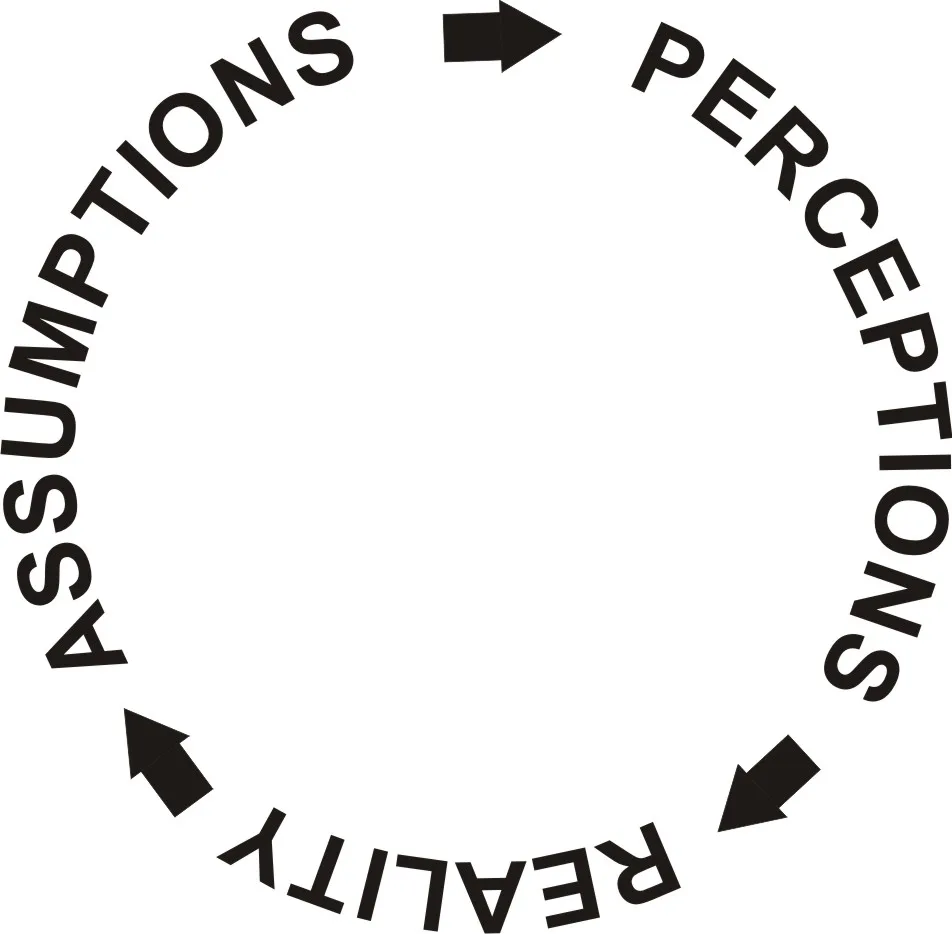
Managing beliefs is a way of dealing with patterns of behavior that lead to emotional aggression. When we examine the assumptions that support our beliefs, we can better manage our behavior and avoid the tendency to respond with emotional aggression. Managing beliefs is an essential part of emotional healing and personal growth. The beliefs you hold about yourself, other people, relationships, and the world often shape your emotional reactions and behavioral patterns. When these beliefs are rooted in fear, shame, insecurity, resentment, or unresolved trauma, they can contribute to emotionally aggressive behaviors that damage relationships and create emotional chaos.

From a mindful ecotherapy perspective, managing beliefs begins with awareness. You cannot change emotional patterns that you do not first recognize. By mindfully examining the assumptions underneath your reactions, you can begin to understand why certain situations trigger anger, defensiveness, manipulation, or emotional withdrawal.

In mindfulness-based ecotherapy, many people discover that their emotional responses are connected to deeply ingrained beliefs formed through past experiences, family systems, cultural conditioning, trauma, or unhealthy relationship dynamics.

Recognizing Beliefs That Lead to Harmful Consequences

One of the most important aspects of managing beliefs is recognizing when certain beliefs consistently lead to unwanted consequences. These consequences may include conflict in romantic relationships, damaged friendships, family tension, workplace problems, or even legal difficulties caused by emotional dysregulation or aggression.

For example, a person who unconsciously believes, “People will always abandon me,” may become emotionally controlling or reactive in relationships. Someone who believes, “I must always be in control,” may respond with anger or intimidation when feeling vulnerable. Another person may believe, “If I admit I’m wrong, I’m weak,” which can prevent accountability and healthy communication.

Mindful self-reflection allows you to ask difficult but necessary questions:

  • Are my beliefs helping or hurting my relationships?
  • Do my reactions create peace or emotional chaos?
  • Are my behaviors producing the kind of life I truly want?

The first step in healing is personal responsibility. Nobody else can change your beliefs for you. Managing beliefs requires a willingness to honestly examine your own patterns without blaming others for every emotional reaction.

Emotional Chaos and Emotional Aggression

Emotional aggression and emotional dysregulation often create emotional chaos both internally and externally. Many people who struggle with regulating difficult emotions unconsciously create conflict around them as a way of distracting themselves from their own pain, fear, insecurity, or unresolved trauma.

Managing beliefs

In addiction recovery, there is a pattern sometimes referred to as “drinking at” or “drugging at” someone. A person struggling with addiction may provoke arguments or create conflict so they can justify substance use by blaming another person for their emotional state. Instead of taking responsibility, they externalize blame.

This same pattern can occur with emotional aggression. A person who struggles with emotional regulation may provoke conflict, escalate arguments, manipulate emotions, or create instability to justify their reactions. In this way, emotional chaos becomes both a distraction and a coping mechanism.

From a mindful ecotherapy perspective, this cycle often reflects deep nervous system dysregulation. When people feel disconnected from themselves, from others, and from the natural world, they may unconsciously seek stimulation through conflict and emotional intensity.

Can People Become Addicted to Emotional States?

Neuroscience research suggests that emotional states trigger chemical responses within the brain. Intense anger, fear, conflict, drama, and emotional volatility can stimulate neurotransmitters that create temporary feelings of energy, control, excitement, or emotional release.

Over time, some individuals may develop what is known as a process addiction. Unlike substance addictions, process addictions involve becoming psychologically dependent on patterns of behavior or emotional states rather than chemicals themselves.

A person may become addicted to:

  • Conflict
  • Drama
  • Emotional intensity
  • Control
  • Anger
  • Victimhood
  • Relationship chaos

When emotional aggression becomes a repeated coping strategy, the nervous system may begin to normalize chaos as familiar and emotionally stimulating.

This does not make someone “bad” or hopeless. It means their nervous system may have adapted to unhealthy emotional environments and developed patterns that now require healing and conscious change.

Managing Beliefs Through Mindful Ecotherapy

Mindful ecotherapy offers a holistic approach to managing beliefs and emotional regulation by reconnecting people with self-awareness, embodiment, and the calming rhythms of nature.

Nature provides an environment that slows emotional reactivity and supports nervous system regulation. Forest walks, mindful breathing outdoors, gardening, grounding practices, and observing natural ecosystems can help create the internal space necessary for honest self-reflection.

When you spend time in nature mindfully, you often become more aware of your emotional patterns without immediately reacting to them. This awareness helps interrupt cycles of emotional aggression and allows healthier responses to emerge.

Mindfulness practices can also help you identify the beliefs beneath emotional reactions. Instead of automatically responding with anger or blame, you learn to pause and ask:

  • What belief is driving this reaction?
  • Is this belief actually true?
  • Is this belief helping me heal or harming my relationships?
  • What would happen if I chose a different response?

Managing beliefs does not mean suppressing emotions. It means learning to respond consciously instead of reacting impulsively.

Healing Emotional Aggression Through Responsibility and Awareness

Healing emotional aggression requires courage, accountability, and compassion for yourself and others. Blaming others for every emotional reaction keeps people trapped in cycles of conflict and emotional suffering. Taking responsibility for your beliefs and behaviors creates the possibility for genuine transformation.

From a mindful ecotherapy perspective, healing is not about perfection. It is about becoming more aware, more grounded, and more connected to yourself, your relationships, and the living world around you.

The more consciously you begin managing beliefs, the more freedom you create within your emotional life. Emotional peace often begins when you stop trying to control others and begin understanding yourself.


References

Singh R, Sharma R, Chauhan VS, Chatterjee K. Neurobiological underpinnings of emotions. Ind Psychiatry J. 2021 Oct;30(Suppl 1): S308-S310. doi: 10.4103/0972-6748.328838. Epub 2021 Oct 22. PMID: 34908718; PMCID: PMC8611534.


Share Your Thoughts About Managing Beliefs!

What do you think? Share your thoughts in the comments below!


  And don’t forget to subscribe to our newsletter!

Posted on

45 Signs of an Emotionally Aggressive Relationship

EMOTIONALLY AGGRESSIVE

Emotional aggression is the aggressive use of our own emotional states in an attempt to manipulate or control others, or in an attempt to make others responsible for our moods. If I hold others responsible for my emotional state, I am being emotionally aggressive. Likewise, if I attempt to control the emotional states of others against their will, I am being emotionally aggressive.

If you have beliefs that are leading you to react in ways that are emotionally aggressive, you may choose to challenge those beliefs so that you may replace them with new beliefs that do not lead to emotionally aggressive consequences.

One of the tenets of mindfulness is the realization that we are not our thoughts, and we are not our feelings. Thoughts and feelings are simply processes of the mind. We can choose to pay attention to those processes, or we can choose to ignore them.

Here’s a way to demonstrate that you are not your thoughts. Suppose I tell you that for the next ten minutes, you are to avoid having any thoughts. Now, further suppose that you attempt to avoid having any thoughts for ten minutes. About two or three minutes into this exercise, you catch yourself having a thought.

When you realize that you had a thought, what part of you is it that recognized that you had a thought? It couldn’t be your thoughts, because the thoughts are what you recognized. So that means that there is another part of you that is independent from your thoughts. This part of you is what practitioners of mindfulness call your True Self. The True Self is what recognizes that you were having a thought. The True Self is independent of your thoughts.

Emotionally Aggressive Behavior and the True Self

emotionally aggressive

Your True Self is who you would be if you could ‘get out of your own way’ and live the life you were meant to live. Your True Self is who you are when you strip away all the masks that you put on in day-to-day life and get down to the business of being who you were meant to be.

Think for a moment about your own True Self. Suppose you could be anyone you wanted to be. Who would you choose to be? What things are keeping you from living in your True Self? When you act in an emotionally aggressive manner, are you being your True Self?

One way to tell if a belief is keeping you from being the person you were meant to be is to consider the consequences of that belief. Most emotional aggression comes from the belief that we can change the behavior of other people. In fact, the very definition of emotional aggression is: “Using our own emotional states in an attempt to control the behavior of others.” Emotional aggression occurs when others refuse to live up to our expectations of how we believe they should behave and what they should feel.

One of the marks of an addiction to emotional processes is the belief that we can and should tell others how to feel and what to think. If we have such beliefs, and if people fail to meet our expectations, the result can be emotional aggression. That is to say that we get frustrated that others in our lives resist our attempts to control their behavior, and we may react by becoming angry, sad, or frustrated.

Because these beliefs are often embedded in processes that have become automatic, it may sometimes be difficult to identify those beliefs. The questions below may help you to identify some of these beliefs and patterns of behavior.

The first five questions are for your partner (if you have one). If your partner is willing to answer these questions, have him or her do so. If your partner is not willing, try to answer those questions as well as you can, based on what you think your partner would say.

The rest of the questions are for you to answer. Be as honest with yourself as you can in answering.

Signs of an Emotionally Aggressive Relationship

Does your partner:

  • Feel afraid of you much of the time?
  • Avoid certain topics out of fear of upsetting you?
  • Feel that they can’t do anything right for you?
  • Feel emotionally numb or helpless?
  • Feel trapped or imprisoned?

Do you:

  • Humiliate, criticize, or yell at your partner?
  • Use abusive language
  • Ignore your partner’s answers
  • Mock or call your partner names
  • Yell, swear, interrupt, or change the subject by turning blame back onto your partner?
  • Become emotionally aggressive towards your partner?
  • Twist your partner’s words?
  • Tell your partner what to think and how to feel?
  • Put your partner down in front of other people?
  • Say bad things about your partner’s friends and family?
  • Treat your partner so badly that your partner is embarrassed for your friends or family to see?
  • Ignore or put down your partner’s opinions or accomplishments?
  • Blame your partner for your own abusive behavior?
  • Make light of your own behavior and not take your partner’s concerns about it seriously?
  • Deny that the emotional aggression happened?
  • Shift responsibility for your behavior, or say that your partner caused it?
  • See your partner as property or a sex object, rather than as a person?
  • Have a bad and unpredictable temper?
  • Hurt your partner, or threaten to hurt or kill your partner?
  • Hit, slap, kick, choke, push, punch, beat, or restrain your partner to keep them from leaving?
  • Destroy furniture, punch holes in the walls, or damage your partner’s possessions?
  • Use the children or other family members against your partner?
  • Lock your partner out of the house?
  • Threaten to take your partner’s children away or harm them?
  • Threaten to harm other family members or family pets?
  • Threaten to commit self-harm, up to and including suicide, if your partner leaves?
  • Force your partner to have sex against their will?
  • Destroy your partner’s belongings?
  • Use blaming, shaming, or guilt-tripping to control your partner?
  • Act excessively jealous and possessive?
  • Control where your partner goes or what your partner does?
  • Keep your partner from seeing their friends or family?
  • Make rules that it is impossible for your partner to keep?
  • Punish your partner for not keeping these impossible rules?
  • Force your partner into decisions they may not be ready to make?
  • Always insist on being right?
  • Refuse to ‘agree to disagree’?
  • Follow your partner to see what they’re doing and where they’re going?
  • Refuse to leave when asked?
  • Limit your partner’s access to money, the phone, or the car for anything other than budgetary reasons?
  • Withhold money as a means of control?
  • Refuse to let your partner work, or interfere with your partner’s job?
  • Show up at your partner’s job to cause trouble?
  • Constantly check up on your partner?
  • Go through your partner’s emails, cell phone records, text messages, or other communications?

If you checked more than five items on the list above, you may have difficulties managing emotionally aggressive behavior towards yourself and towards others.

Share Your Thoughts About Signs of Emotional Aggression!

What do you think? Share your thoughts in the comments below!


  And don’t forget to subscribe to our newsletter!

Posted on

Mindful Acceptance: Letting Go with Mindfulness-Based Ecotherapy

mindful acceptance

“Never underestimate your power to change yourself; never overestimate your power to change others.”

— H. Jackson Brown, Jr.

One of the most powerful skills in mindfulness-based ecotherapy is mindful acceptance. Mindful acceptance is the art of letting go of unnecessary suffering while remaining fully present with life as it is. Unlike some approaches that focus only on changing thoughts or managing symptoms internally, mindfulness-based ecotherapy (MBE) emphasizes reconnecting with the natural world, the body, the senses, and the present-moment experience as pathways toward healing and resilience.

Mindfulness-based ecotherapy differs from many traditional mindfulness practices because it does not view mindfulness as something that occurs only inside the mind. Instead, MBE recognizes that humans are part of an interconnected ecological system. Healing happens not only through awareness of thoughts and emotions, but also through restoring a relationship with the earth, the body, community, and the rhythms of nature itself.

The skill of mindful acceptance teaches you to recognize the difference between what you can change and what you cannot. Once you have done everything realistically within your power to address a problem, continued anxiety and rumination no longer serve a useful purpose. At that point, mindful acceptance asks you to loosen your grip on the stress attached to the situation.

Mindful Acceptance Doesn’t Mean Giving Up

Importantly, letting go of anxiety does not necessarily mean giving up on solving the problem.

Suppose you have a car payment due and you do not currently have the money to pay it. Naturally, this situation may trigger fear, worry, and stress. You may brainstorm solutions, ask for help, reduce expenses, or search for additional income. However, once you have taken every practical step available in the present moment, the constant cycle of worry becomes emotionally exhausting and often counterproductive.

In mindfulness-based ecotherapy, one of the twelve core skills involves learning to observe your thoughts and feelings nonjudgmentally while grounding yourself in sensory awareness. You might sit outdoors beneath a tree, feel your feet on the earth, notice the movement of the wind, or listen to birdsong while observing the anxious thoughts moving through your awareness. Nature becomes an anchor that reminds you that life continues unfolding even during uncertainty.

Unlike purely cognitive approaches that may focus primarily on changing thought patterns, MBE integrates embodied awareness and ecological connection. The natural world helps regulate the nervous system by drawing your attention away from repetitive mental loops and back into the present moment.

Mindful Acceptance, Observing, and Describing

Another essential MBE skill is mindful observing. Instead of immediately reacting to anxiety, you learn to notice it with curiosity. What does the anxiety feel like in your body? Is your chest tight? Is your breathing shallow? Are your thoughts racing toward worst-case scenarios? By observing rather than fighting the experience, you create space between yourself and the anxiety.

This space allows you to make conscious decisions rather than reacting automatically.

The same principle applies in relationships. Imagine you feel disconnected from your partner because they rarely spend time with you. You suggest activities, initiate conversations, and communicate your feelings honestly, yet nothing changes. Many people respond to this situation by escalating their efforts to control the outcome. They may criticize, plead, withdraw emotionally, or become consumed with resentment.

Mindfulness-based ecotherapy approaches this differently.

Self-Compassion and Mindful Acceptance

One of the MBE skills involves recognizing the limits of personal control while strengthening self-awareness and self-compassion. You cannot force another person to change. However, you can change how you respond internally and externally. Practicing mindful acceptance means acknowledging your sadness, frustration, or disappointment without allowing those emotions to dominate your life.

In ecotherapy, the natural world often serves as a mirror for this process. Seasons change without resistance. Trees release leaves when it is time to let go. Rivers flow around obstacles instead of endlessly struggling against them. Nature teaches flexibility, adaptation, and resilience.

This ecological perspective is one of the major ways MBE differs from other mindfulness approaches. While many mindfulness practices emphasize internal awareness alone, mindfulness-based ecotherapy intentionally uses nature as both teacher and therapeutic partner.

Another of the twelve skills of MBE involves reducing rumination through present-moment sensory grounding. Rumination occurs when the mind repeatedly replays fears, regrets, or imagined future disasters. The more mental energy you feed into these cycles, the stronger they become.

Mindful acceptance interrupts this process.

You may notice the anxious thought arise, acknowledge it compassionately, and then redirect your awareness toward immediate sensory experience: the smell of rain, the warmth of sunlight, the sound of leaves moving in the wind, or the sensation of breathing deeply in fresh air. These practices help regulate emotional overwhelm by reconnecting you with the physical world instead of remaining trapped inside mental narratives.

Anxiety Has a Purpose

Mindfulness-based ecotherapy also recognizes that anxiety itself has a purpose. Anxiety evolved as a protective system designed to alert us to danger. In mindful acceptance, you are not trying to destroy anxiety or suppress difficult emotions. Instead, you learn to relate to them differently.

You might silently say:

“Thank you, anxiety, for trying to protect me. I am listening carefully, but I will also trust my own wisdom.”

This compassionate inner dialogue reflects another MBE principle: developing a collaborative relationship with your emotions instead of waging war against them.

Finally, mindful acceptance teaches that mistakes are not evidence of failure, but growth opportunities. In nature, growth rarely occurs without struggle. Forests regenerate after fires. Rivers carve canyons through persistence over time. Ecosystems adapt continuously to changing conditions.

Human beings are no different.

Every mistake contains information that can deepen wisdom, resilience, and self-understanding. Through mindful acceptance, you learn that healing does not require perfection. It requires awareness, compassion, flexibility, and the willingness to remain present even during uncertainty.

Mindfulness-based ecotherapy reminds you that while you cannot always control life’s circumstances, you can learn to live more peacefully within them. By reconnecting with nature, practicing mindful awareness, and letting go of unnecessary struggle, you create space for healing, growth, and inner balance.


Share Your Thoughts About Mindful Acceptance!

What do you think? Share your thoughts in the comments below!


  And don’t forget to subscribe to our newsletter!

Posted on

The Skill of Mindfulness: Learning a New Way of Living

skill of mindfulness

The skill of mindfulness is much like learning any other ability in life. At first, it may feel awkward, unfamiliar, or even frustrating. That’s because mindfulness often asks you to do the exact opposite of what you have been conditioned to do for years. Instead of reacting automatically, mindfulness encourages you to pause. Instead of avoiding difficult emotions, mindfulness teaches you to notice them with awareness and compassion. Instead of living on autopilot, mindfulness invites you to become fully present in your life.

Because of this, practicing the skill of mindfulness can initially feel uncomfortable. Many mindfulness exercises may seem strange simply because they are different from the fast-paced, distracted, and reactive habits most people develop over time. But “different” does not mean bad. It simply means new. Every meaningful change in life begins with stepping outside familiar patterns.

Practicing the Skill of Mindfulness

One of the most important things to remember about the skill of mindfulness is that it takes practice. You probably will not feel completely calm, centered, or enlightened after trying mindfulness once or twice. In fact, many people become discouraged because they expect immediate results. Mindfulness is not a quick fix or magic solution. It is a gradual process of retraining the mind and learning healthier ways of relating to thoughts, emotions, and experiences.

Patience is essential. Growth often happens slowly and quietly. Just because you do not notice a dramatic change right away does not mean mindfulness is not working. Like planting a seed, the benefits develop over time with consistent care and attention.

There is an old saying often attributed to Albert Einstein: “Insanity is doing the same thing over and over and expecting different results.” Whether Einstein actually said it or not, the idea contains an important truth. If your current habits repeatedly lead to stress, anxiety, emotional pain, conflict, or dissatisfaction, then continuing those same habits will likely produce the same outcomes. Familiar behaviors feel comfortable because they are known, even when they are unhealthy.

The skill of mindfulness offers another path.

Observing with the Skill of Mindfulness

Mindfulness teaches you how to step back from automatic reactions and become more intentional in the way you live. Rather than immediately reacting with anger, fear, judgment, or avoidance, you learn to observe what is happening internally before responding. This simple shift can create profound changes in relationships, emotional health, and overall well-being.

For example, many people spend much of their lives worrying about the future or replaying painful memories from the past. The mind becomes trapped in cycles of regret, fear, shame, or anticipation. Mindfulness gently guides attention back to the present moment. The present moment is where life is actually happening. When you become grounded in the present, you may notice that many worries lose some of their power.

The Skill of Mindfulness: More than Meditation

Although meditation is often associated with mindfulness, the skill of mindfulness is much more than sitting quietly with your eyes closed. Mindfulness is a way of approaching everyday life. You can practice mindfulness while walking, eating, listening to music, washing dishes, driving, or having a conversation. Any moment can become an opportunity to practice awareness.

Mindfulness also encourages greater self-compassion. Many people criticize themselves harshly whenever they struggle or make mistakes. Mindfulness teaches you to notice those self-critical thoughts without becoming consumed by them. Instead of attacking yourself for being imperfect, you learn to approach yourself with patience and understanding. This shift alone can be deeply healing.

Learning the skill of mindfulness is similar to learning music, painting, sports, or any other craft. Nobody becomes an expert overnight. Leonardo da Vinci did not paint the Mona Lisa the first time he picked up a paintbrush. Great skill develops through repeated practice, persistence, and willingness to learn from mistakes.

Permission to Practice Imperfectly

The same is true for mindfulness. Some days you may feel calm and focused. On other days, your mind may wander constantly. That is normal. The goal of mindfulness is not perfection. The goal is awareness. Each time you gently bring your attention back to the present moment, you are strengthening the skill of mindfulness little by little.

Over time, mindfulness can help you become more emotionally balanced, less reactive, and more connected to your experiences. It can improve relationships, reduce stress, and help you cultivate a deeper sense of peace and acceptance. Most importantly, mindfulness helps you live your life more fully instead of merely rushing through it on autopilot.

Permit yourself to practice imperfectly. You do not need to master mindfulness immediately. Simply begin where you are. With time, patience, and repetition, the skill of mindfulness can become a natural and meaningful part of your daily life. It is a skill that requires practice. Leonardo da Vinci didn’t paint the Mona Lisa the first time he picked up a paintbrush. Leonardo Da Vinci didn’t paint the Mona Lisa the first time he picked up a paintbrush. Likewise, you probably won’t be able to jump right into a ‘mindful awareness’ mode of being without a lot of practice. That’s okay. Permit yourself to practice once in a while. The more you do so, the more mindful you’ll become!


Share Your Thoughts About the Skill of Mindfulness!

What do you think? Share your thoughts in the comments below!


  And don’t forget to subscribe to our newsletter!

Posted on

Learning to be Mindful: The Fisherman and His Son

fisherman and his son

The Fisherman and His Son is a parable that illustrates how to be mindfully intentional. It’s been said that the definition of insanity is “Doing the same thing in the same way and expecting different results.” In other words, if what you’re doing isn’t working, doing more of the same isn’t likely to work either. It may be time to do something different.

Mindfulness is a way to do something different.

When we commit to change, it sometimes feels strange at first. If you think about it, this only makes sense because if it didn’t feel weird, you’d probably already be doing it. Sometimes you have to think outside the box to get the change you want. This parable illustrates the concept of being open to trying something new, even if it feels strange at first.

The Fisherman and His Son: A Mindful Parable

A fisherman and his son were at sea, going about the daily tasks of catching enough fish to make their living. It was a beautiful spring day, and they were both enjoying the ocean. They were having a particularly good day. They had caught many fish, and they were ready to turn for home and make their way back to the shore when the fisherman noticed a tiny leak at the bow of the boat. The boat was slowly filling up with water. While the leak wasn’t a big one, they both realized that the boat would be full of water before they could row back to shore.

The father and son began to panic as they thought of the prospect of losing not only their boat, but the fine catch they had made that day. In his panic, the father suddenly seized upon an idea. He grabbed the oar and punched a hole in the side of the boat.

The son thought his fisherman father had gone mad. “What are you doing?” the son shouted.

The father replied, “I’m punching a hole in the bottom of the boat so the water can flow out!”

They both watched in horror as more water rushed into the boat the father had made. Seeing that his idea had not succeeded, but had only made things worse, the father began to furiously punch even more holes in the bottom of the boat.

The son, upon seeing this, yelled at his father, “Will you please stop it? Can’t you see you are only making things worse?”

But the fisherman said, “No, my idea will work! I just didn’t have enough holes in the boat! If I keep punching holes in the boat, the water will eventually flow out!”

The son watched helplessly as the father, in a frenzy, continued to batter more holes into the hull of the boat. Finally, the boat overflowed, sinking to the bottom of the sea and taking the catch of the day with it. The father and son had to swim to shore.

Upon arriving at the shore, totally exhausted, they both realized that they had not only lost a fine catch, but they had also lost their means of making a living. With the boat gone, they could no longer be fishermen. With great sadness, they turned to make their way home, wondering about what they’d do to survive in the future.

To think about

What solutions to problems have you been trying that only make the problem worse? How could you make it better instead? If what you’re doing isn’t working, could it be time to try something different?


Share Your Thoughts About The Fisherman and His Son!

What do you think? Share your thoughts in the comments below!


  And don’t forget to subscribe to our newsletter!

Posted on

NEW Course: Orientation to the Mindful Ecotherapy Center

If you’ve never taken a course on our website before, this FREE course will guide you through the process!
Click here for our FREE course: Orientation to the Mindful Ecotherapy Center
This course is a FREE orientation on how to take courses with the Mindful Ecotherapy Center, LLC. If you’ve You may find it helpful to go through this tutorial to familiarize yourself with the way our courses and our website work. Since this is an orientation course to our website, and not a continuing education course for mental health professionals, there is no continuing education credit for this course.
Be informed when new courses are added by subscribing to the Mindful Ecotherapy Center’s monthly newsletter.

Target Audience: Mental Health Professionals; Professional Counselors & Therapists; the General Public

Total Online Continuing Education Hours: Not Applicable

NBCC Approval: (see explanation above)