
Posted on

Teletherapy Services Coming Soon in South Carolina

client portal teletherapy client portal

The Mindful Ecotherapy Center, LLC is excited to announce that we will soon be offering online therapy services for residents of South Carolina! As a leader in mindfulness-based ecotherapy, we understand the importance of accessible mental health services. With telehealth, clients can receive high-quality, evidence-based therapeutic support from the comfort of their homes. Whether you’re dealing with stress, anxiety, depression, or seeking guidance on mindful living, our teletherapy services will provide a secure and convenient way to access professional help.

Who Will Provide Teletherapy Services?

teletherapy with Charlton Hall, MMFT, PhD

Charlton Hall, PhD, LMFT #4525 will offer our virtual therapy services. Dr. Hall is a Licensed Marriage and Family Therapist with extensive experience in mindfulness-based approaches to therapy. He is the founder of the Mindful Ecotherapy Center, LLC and has dedicated his career to integrating ecotherapy and mindfulness techniques into clinical practice. With a deep understanding of how nature and mindfulness can facilitate healing, Charlton Hall brings a compassionate and holistic approach to therapy.

What is Teletherapy?

Teletherapy, also known as online therapy or virtual counseling, allows clients to engage in therapy sessions remotely using secure video conferencing technology. This innovative approach eliminates the need for travel and makes it easier for individuals with busy schedules, mobility issues, or rural living situations to access mental health support. Remote therapy is just as effective as in-person therapy for many mental health concerns and provides the same level of confidentiality and professional care.


System Requirements for Teletherapy Sessions

To ensure a smooth and effective telehealth counseling experience, clients must meet the following system requirements:

Hardware Requirements

  • A desktop computer, laptop, tablet, or smartphone with a camera and microphone
  • A stable internet connection with at least 10 Mbps download and 3 Mbps upload speeds
  • Headphones or speakers for clear audio communication

Software Requirements

  • A web browser such as Google Chrome, Mozilla Firefox, or Microsoft Edge (for web-based video chat platforms)
  • Downloaded telehealth software (if required)
  • Updated operating system (Windows, macOS, iOS, or Android)

Environmental Requirements

  • A quiet, private space with minimal distractions
  • Good lighting to ensure clear video quality
  • A comfortable chair and workspace to facilitate a relaxing session

Benefits of Teletherapy with the Mindful Ecotherapy Center

Convenience and Accessibility

Teletherapy allows you to attend sessions from anywhere in South Carolina, removing the need for travel. This is especially beneficial for individuals living in rural areas where access to mental health services may be limited.

Confidential and Secure

The Mindful Ecotherapy Center, LLC uses secure, HIPAA-compliant platforms to ensure the privacy and confidentiality of your therapy sessions. Your personal health information will remain protected at all times.

Continued Support in Your Journey

Our teletherapy services will allow you to continue your mental health journey with a licensed professional who understands your needs. Whether you are seeking help for stress management, anxiety reduction, or personal growth, we are here to guide you.


How to Get Started

If you are interested in scheduling a teletherapy session with Charlton Hall, LMFT #4525, the process is simple:

  1. Contact Us – Reach out through our website to inquire about available appointment times.
  2. Complete Intake Forms – We will provide the necessary forms to complete before your first session.
  3. Confirm Technology Setup – Test your internet connection and video chat software before your session.
  4. Start Your Journey – Join your scheduled session from the comfort of your home and begin your path toward wellness.

Stay Connected

Stay updated on the latest teletherapy news and mental health resources by following the Mindful Ecotherapy Center, LLC online. As we finalize our teletherapy offerings, we will share more details on our website and social media pages.

For more information, visit Mindful Ecotherapy Center, LLC and take the first step toward a healthier, more mindful life.


Posted on

Why I Left the AAMFT and Joined the American Counseling Association (ACA)

aamft

Why leave the AAMFT? As a Marriage and Family Therapist (MFT), being part of a professional organization is essential to maintaining professional standards, receiving ongoing education, and accessing support resources. For years, I was a loyal member of the American Association for Marriage and Family Therapy (AAMFT). It’s a respected organization that provides a wide range of resources for therapists.

However, over time, I became increasingly frustrated with the rising membership fees and the declining value of the services and benefits offered. Today, I attempted to renew my membership. Their website crashed. I called the tech support number that I found after great difficulty. They had it well-hidden on the site. After being put on hold for over an hour I was informed that no representatives were available to accept my call, and they hung up on me. They could’ve told me that before I waited on the phone for an hour.

After much consideration, I made the decision to leave AAMFT and join the American Counseling Association (ACA) instead. Here’s why I made that change, and why I believe other therapists might want to consider the same.

AAMFT Rising Membership Fees with Fewer Benefits

One of the biggest factors that led me to leave AAMFT was the consistently increasing membership fees. Each year, it seemed that the cost of being a member rose, while the value I received in return steadily diminished. I am and have been a member of multiple professional organizations in my professional career, and none have higher membership fees with fewer benefits. When I first joined AAMFT, I appreciated the resources, networking opportunities, and professional support. But as time went on, I noticed that many of the services I once found valuable were no longer being offered—or were being offered in a more limited capacity.

While the cost of membership continued to climb, the actual benefits I received in return seemed to be shrinking. The number of workshops, seminars, and continuing education opportunities that were once included or offered at a discount became fewer and less relevant to my practice. Access to industry-specific research also became more difficult, as more AAMFT content was locked behind additional paywalls.

I felt like I was paying more for less. As a professional who prides myself on providing high-quality care to my clients and staying informed about the latest developments in marriage and family therapy, this diminishing return on investment was frustrating. It became clear that AAMFT was not meeting my needs as it once had.

AAMFT’s Lack of Relevant Resources

Over time, I also began to notice that the resources offered by AAMFT felt increasingly irrelevant to my practice. The workshops and conferences offered by the organization didn’t align with the direction I wanted my career to go in. As a therapist focusing on mindfulness-based therapy, I found that AAMFT was often slow to embrace emerging therapeutic approaches or newer methodologies in the field. Much of the research published in the AAMFT journal seemed focused on self-care for therapists rather than on patient care. While self-care is important, patient care is at least as important as therapist self-care.

Furthermore, I was increasingly frustrated by the limited scope of networking opportunities with other professionals. As an MFT, much of my work intersects with the practices of other types of counselors, social workers, and psychologists. However, AAMFT’s narrow focus on marriage and family therapy left me feeling disconnected from a broader professional community. While COVID-19 had an impact on face-to-face networking opportunities, teleconferencing remained an option. Unfortunately, it was an option that AAMFT was slow to embrace when it comes to networking with mental health professionals who are not Marriage and Family Therapists.

Why I Chose the American Counseling Association (ACA)

After years of growing dissatisfaction with the AAMFT, I began researching other organizations that could better support my practice. That’s when I discovered the American Counseling Association (ACA). The ACA provides resources for a wide variety of mental health professionals, including Licensed Professional Counselors (LPCs), Marriage and Family Therapists (LMFTs), and other types of therapists. What initially attracted me to the ACA was its inclusive approach and commitment to supporting diverse therapeutic practices.

The ACA offers a wider variety of resources and professional development opportunities that are relevant to my current practice. From advanced certifications in specialized therapeutic techniques like mindfulness and ecotherapy to discounts on continuing education courses, the ACA provides far more comprehensive and varied benefits than AAMFT has done in recent years.

Another key factor in my decision to switch was the membership fees. The ACA offers competitive pricing for its membership, and I found that the benefits far outweighed the cost. As a member, I have access to exclusive webinars, workshops, and training opportunities, many of which align directly with the areas I want to grow in, such as mindfulness-based counseling and ecotherapy.

Networking and Professional Community

One of the most valuable aspects of joining the ACA is the opportunity to network with a wider range of mental health professionals. The ACA’s emphasis on a holistic view of therapy allows me to interact with counselors who specialize in everything from trauma-informed therapy to addiction counseling, and many other areas that complement my own expertise. This diversity of perspectives helps me grow as a therapist and expand my understanding of the various therapeutic methods that work for clients.

Moreover, the ACA offers several state chapters and interest networks that allow me to connect with local professionals who share similar interests or practice areas. This has helped me build meaningful relationships and expand my referral network, which was something I was struggling to achieve through AAMFT.

Final Thoughts

Leaving the American Association for Marriage and Family Therapists (AAMFT) was not an easy decision, as I’ve always respected the work the organization has done for our profession. However, as time passed, I realized that the increasing membership fees and the diminishing value of their services no longer aligned with my professional goals, and AAMFT leadership has been slow to respond if they bothered to respond at all. By joining the American Counseling Association (ACA), I’ve found a more inclusive, relevant, and supportive community for my work as a therapist.

If you’re an MFT or counselor considering which professional organization best suits your needs, I strongly encourage you to look into the ACA. With its comprehensive resources, professional development opportunities, and more affordable membership fees, it has been a game-changer for my practice.

The right professional organization can make all the difference in your career and for your patients/clients. For me, the ACA has become the resource I was searching for.


Share Your Thoughts on the AAMFT!

Are you a current member of the AAMFT? Have you been in the past? What’s your experience been? Share your thoughts in the comments below!


Posted on

Scheduled Website Maintenance – March 13th

We want to keep you informed about an upcoming scheduled maintenance period for our website.

🗓 Date: Monday, March 13th
Time: 11:00 p.m. – 12:00 a.m. Pacific Time

During this time, you may experience intermittent connectivity issues while accessing our website. We apologize for any inconvenience this may cause and appreciate your patience as we work to improve your online experience.

If you have any urgent concerns, please feel free to reach out to our support team. Thank you for your understanding!

Posted on

Animal-Assisted Ecotherapy: Building Bonds for Healing

animal-assisted ecotherapy

Animal-Assisted Ecotherapy (AAE) is an innovative therapeutic approach that integrates the healing power of nature with the emotional and psychological benefits of animal companionship. This form of ecotherapy is based on the idea that interactions with animals, such as dogs, cats, or even horses, can significantly improve mental and emotional well-being, reduce stress, and help individuals overcome anxiety and depression. Whether you are experiencing a period of emotional turmoil or simply looking for ways to enhance your mental health, animal-assisted ecotherapy could be a powerful tool for healing.

Understanding Animal-Assisted Ecotherapy

Animal-Assisted Ecotherapy combines the principles of ecotherapy—the practice of using nature and natural environments to promote healing—with animal-assisted therapy, which involves structured interaction between animals and humans for therapeutic purposes. The bond formed between animals and humans can provide emotional support, reduce feelings of isolation, and help people reconnect with themselves and their environment.

In animal-assisted ecotherapy, a therapist or certified animal handler may guide individuals through specific activities, which can range from walking a dog in nature, caring for an animal, or simply spending time in the presence of a calming creature. These activities promote mindfulness, a deeper connection with nature, and improved emotional regulation.

The Healing Power of Animals

Animals offer unique emotional benefits that can have a profound impact on mental health. Studies have shown that adopting a dog or cat, for example, can significantly lower stress levels, reduce anxiety, and alleviate symptoms of depression. The unconditional love and affection that animals provide help to create a sense of safety and emotional stability for those who may be struggling with difficult emotions or traumatic experiences.

Here are some key ways in which animals play a role in healing:

1. Reducing Stress

Research indicates that interacting with animals has a calming effect on the human brain. Physical contact, such as petting a dog or simply sitting with an animal, has been shown to release oxytocin (the “feel-good” hormone) and decrease the production of cortisol (the stress hormone). This physiological response can help reduce stress, tension, and anxiety levels, promoting a sense of relaxation and peace.

2. Providing Emotional Support

Animals offer unwavering companionship, which can significantly reduce feelings of loneliness and isolation. Their presence can foster a sense of connection, making individuals feel less alone in their struggles. For those dealing with anxiety, depression, or trauma, animal-assisted ecotherapy provides a safe and comforting space to process emotions in a non-judgmental environment.

3. Encouraging Mindfulness

Animals live in the present moment, and their behavior can serve as a model for mindfulness practices. Engaging with an animal allows individuals to focus on the here and now, letting go of past worries or future anxieties. Walking a dog, for instance, provides an opportunity to connect with nature, breathe in the fresh air, and appreciate the beauty around you.

4. Improving Social Interaction

Animal-assisted ecotherapy often encourages socialization, whether through group therapy or community events involving animals. Interacting with a pet can help individuals break down social barriers, build trust, and improve communication. For children, particularly those with autism or social anxiety, spending time with animals can enhance social skills and increase self-confidence.

5. Fostering Responsibility and Routine

Caring for an animal requires daily routines, such as feeding, walking, and grooming. This structure can provide individuals with a sense of purpose and stability, which is especially beneficial for those experiencing depression or lack of motivation. Additionally, the act of caring for an animal fosters empathy, compassion, and responsibility, qualities that can improve overall emotional well-being.

Animal-Assisted Ecotherapy for Mental Health

The benefits of animal-assisted ecotherapy are particularly evident for individuals dealing with mental health challenges. Studies have found that individuals who engage in animal-assisted therapy experience significant improvements in their mental health, including a reduction in anxiety and depression symptoms.

For instance, a study conducted by the University of Maryland found that patients who interacted with therapy dogs showed lower levels of cortisol and reported improved mood. Similarly, research published in the International Journal of Environmental Research and Public Health has indicated that ecotherapy, when combined with animal-assisted interventions, leads to improvements in mental health and emotional well-being.

Anxiety and Stress Relief

For individuals dealing with high levels of anxiety or stress, animal-assisted ecotherapy can be a therapeutic game-changer. Spending time in nature with an animal helps lower heart rates, reduce blood pressure, and promote feelings of calmness. Whether it’s through quiet reflection with a horse or playing fetch with a dog, animal interactions allow individuals to de-escalate and regain emotional balance.

Depression and Emotional Healing

For those experiencing depression, animals can offer both emotional support and companionship. Animals never judge, and their steady presence offers unconditional love. Studies have shown that pet ownership, particularly dogs and cats, can reduce symptoms of depression by improving mood, increasing activity levels, and providing a sense of responsibility.

Getting Started with Animal-Assisted Ecotherapy

If you are interested in animal-assisted ecotherapy, here are a few ways to get started:

  1. Consult with a Therapist – Look for a certified ecotherapist who incorporates animal-assisted therapy into their practice. They can help you explore the benefits of this therapeutic approach and guide you through various activities.
  2. Adopt or Foster an Animal – If you’re ready for a deeper connection, consider adopting a pet from a local shelter. Whether it’s a dog, cat, or even a rabbit, fostering or adopting an animal can help you build a meaningful and healing bond.
  3. Join Animal-Assisted Ecotherapy Programs – Many nature therapy centers offer animal-assisted ecotherapy programs. Check with local clinics or online resources to find a program that aligns with your needs.

Conclusion

Animal-Assisted Ecotherapy is a unique and effective therapeutic practice that can bring profound benefits to individuals dealing with stress, anxiety, depression, and other mental health challenges. By fostering a meaningful connection with animals in nature, individuals can find emotional healing, reduce feelings of isolation, and experience greater peace of mind. Whether through pet ownership or structured ecotherapy sessions, the bond formed between humans and animals can provide a safe, supportive environment for growth and healing.


Share Your Thoughts on Animal-Assisted Ecotherapy!

Have you ever benefitted from Animal-Assisted Ecotherapy? Have your pets or other animals ever helped your mental health? Share your thoughts in the comments below!

Don’t forget to check out our YouTube Channel!


Posted on

Why Social Media is Impacting Your Mental Health and How MBE Can Help

social media instagram cell phone

Social media has revolutionized how we connect, communicate, and consume information. Platforms like Facebook, Instagram, TikTok, and Twitter provide instant access to news, entertainment, and personal updates. However, this constant connectivity comes with a cost: social media can significantly impact mental health. The good news is that Mindfulness-Based Ecotherapy (MBE) offers a holistic solution to counteract these effects, helping users regain balance and emotional well-being.

The Mental Health Effects of Social Media

1. Increased Anxiety and Depression

Scrolling through carefully curated feeds can lead to unrealistic comparisons. People often share only their best moments, creating a distorted perception of reality. This “highlight reel” phenomenon fosters feelings of inadequacy, low self-esteem, and, in many cases, anxiety or depression.

2. Addiction to Validation

Likes, comments, and shares activate the brain’s reward system, releasing dopamine and creating a cycle of dependency. Over time, this craving for validation can lead to compulsive behavior, negatively affecting self-worth when the desired engagement isn’t achieved.

3. Sleep Disruption

Endless scrolling, particularly before bedtime, interferes with sleep patterns. The blue light emitted by screens suppresses melatonin production, making it harder to fall asleep and stay asleep. Poor sleep quality further exacerbates mental health issues.

4. Fear of Missing Out (FOMO)

Constant exposure to others’ activities and achievements can trigger FOMO. This fear can lead to excessive social media use, reinforcing feelings of inadequacy and isolation.

5. Cyberbullying and Harassment

Online interactions are not always positive. Cyberbullying, negative comments, and online harassment can significantly impact self-esteem, leading to anxiety, depression, and even PTSD in severe cases.

Enter Mindfulness-Based Ecotherapy (MBE)

Mindfulness-Based Ecotherapy combines traditional mindfulness practices with the healing power of nature. This innovative approach is uniquely suited to address the mental health challenges exacerbated by social media.

How MBE Counteracts Social Media’s Negative Effects

1. Promotes Presence and Awareness

Mindfulness encourages individuals to focus on the present moment rather than being consumed by past regrets or future anxieties. Techniques such as mindful breathing or grounding exercises help reduce the compulsive urge to check social media and shift attention to more meaningful experiences.

2. Encourages a Healthy Dopamine Reset

Spending time in nature—a core component of MBE—stimulates the brain’s reward system in a healthier way. Activities like forest bathing, nature walks, or eco-art therapy naturally boost dopamine levels without the negative side effects of social media dependency.

3. Improves Sleep Hygiene

Engaging in outdoor activities as part of MBE enhances physical tiredness and helps regulate the circadian rhythm. Exposure to natural light during the day and a mindful bedtime routine can improve sleep quality, alleviating mental health issues linked to sleep deprivation.

4. Rebuilds Genuine Connections

Social media often fosters shallow interactions, but MBE emphasizes genuine human and environmental connections. Group mindfulness sessions or eco-therapy workshops encourage face-to-face interactions, fostering a sense of belonging and community.

5. Enhances Self-Acceptance

Through mindfulness practices, individuals learn to accept themselves without judgment. Instead of comparing their lives to others on social media, they can focus on their own journey, fostering self-compassion and resilience.

Practical Steps to Integrate MBE into Your Life

1. Digital Detox in Nature

Designate time to unplug from social media and immerse yourself in nature. Whether it’s a hike, a visit to a local park, or simply sitting in your backyard, the key is to be fully present in the moment.

2. Mindful Nature Walks

During a nature walk, pay attention to your surroundings. Observe the colors, textures, and sounds of nature. This practice helps ground your thoughts and reduces the anxiety often triggered by social media.

3. Eco-Art Therapy

Use natural materials like leaves, stones, or flowers to create art. This creative expression not only fosters mindfulness but also provides a tangible way to reconnect with the environment.

4. Gratitude Journaling

After spending time outdoors, write down three things you’re grateful for. This practice shifts focus from external validation to internal fulfillment, reducing the emotional reliance on social media.

5. Join an MBE Program

Many therapists now offer MBE sessions that combine mindfulness practices with nature-based activities. These programs provide structured support for integrating mindfulness into daily life.

social media detox go sailing in Canada

Conclusion

Social media is a double-edged sword: while it offers unparalleled connectivity, it also poses significant risks to mental health. By recognizing these challenges and adopting mindfulness-based ecotherapy, individuals can mitigate the negative effects of social media and cultivate a healthier, more balanced life.

Through mindful practices and time spent in nature, MBE empowers individuals to reclaim their mental well-being, fostering resilience, self-acceptance, and authentic connections. So, the next time you feel overwhelmed by social media, step outside, breathe deeply, and let nature guide you back to the present moment.


Share Your Thoughts on Social Media and Mental Health!

What do you think? Does social media damage our mental health? Share your thoughts in the comments below!

Don’t forget to check out our YouTube Channel!


Posted on

Mindfulness in Treating Post-Traumatic Stress Disorder (PTSD)

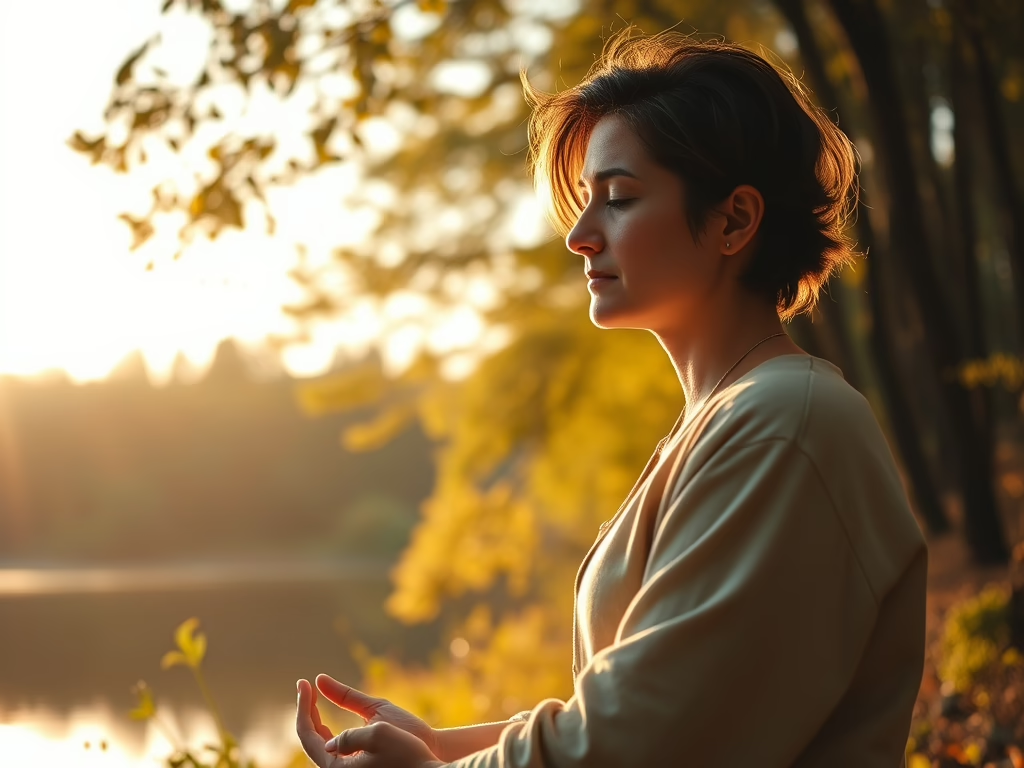
Post-Traumatic Stress Disorder PTSD and mindfulness woman meditating under tree by lake

Post-Traumatic Stress Disorder (PTSD) affects millions of individuals worldwide, manifesting as a debilitating condition that disrupts daily life. Rooted in trauma, PTSD often leads to intrusive thoughts, flashbacks, emotional numbing, and heightened anxiety. Traditional treatment approaches, such as cognitive-behavioral therapy (CBT) and medication, have proven effective for many. However, mindfulness has emerged as a complementary and transformative practice for managing and alleviating PTSD symptoms.

Understanding PTSD and Its Impact

Post-Traumatic Stress Disorder (PTSD) is a mental health condition triggered by experiencing or witnessing traumatic events such as violence, accidents, natural disasters, or combat. Symptoms fall into four main categories:

  1. Intrusion: Unwanted and distressing memories, flashbacks, or nightmares.
  2. Avoidance: Steering clear of reminders of the trauma.
  3. Negative Changes in Thinking and Mood: Feelings of guilt, shame, or detachment from loved ones.
  4. Hyperarousal: Persistent anxiety, irritability, or difficulty sleeping.

These symptoms create a cycle of distress, where individuals feel trapped in their traumatic past. Breaking this cycle is key to recovery, and mindfulness offers a powerful tool to achieve this.

What Is Mindfulness?

Mindfulness is the practice of paying deliberate attention to the present moment without judgment. It involves cultivating awareness of thoughts, emotions, and bodily sensations while accepting them as they arise. Popularized in the West through practices like Mindfulness-Based Stress Reduction (MBSR) and Mindfulness-Based Cognitive Therapy (MBCT), mindfulness has shown remarkable efficacy in addressing various mental health conditions, including PTSD.

How Mindfulness Addresses PTSD Symptoms

1. Reducing Intrusive Thoughts and Flashbacks

Mindfulness teaches individuals to observe their thoughts and emotions without becoming overwhelmed. By practicing techniques such as focused breathing and body scans, people can create a mental “safe space” to manage intrusive memories and diminish their intensity over time.

2. Breaking the Avoidance Cycle

Avoidance is a hallmark of PTSD, but it often exacerbates distress by reinforcing fears. Mindfulness encourages individuals to face their emotions and triggers gradually, leading to a sense of control and reducing avoidance behaviors.

3. Regulating the Nervous System

Trauma often leaves the nervous system in a state of hyperarousal. Mindfulness practices, such as deep breathing and progressive muscle relaxation, activate the parasympathetic nervous system, promoting a state of calm and relaxation.

4. Enhancing Emotional Regulation

Mindfulness fosters a non-judgmental awareness of emotions, helping individuals recognize and process feelings of anger, guilt, or sadness. This increased emotional intelligence aids in reducing the intensity of emotional responses associated with PTSD.

Evidence Supporting Mindfulness for Post-Traumatic Stress Disorder (PTSD)

Numerous studies highlight the effectiveness of mindfulness in treating PTSD. Research published in the Journal of Traumatic Stress found that mindfulness-based interventions significantly reduced PTSD symptoms in veterans. Similarly, a meta-analysis in Clinical Psychology Review demonstrated that mindfulness-based therapies improve emotional regulation, decrease avoidance, and reduce the severity of trauma-related symptoms.

Mindfulness Techniques for Post-Traumatic Stress Disorder (PTSD)

1. Mindful Breathing

This foundational practice involves focusing on the breath to anchor the mind in the present moment. Mindful breathing can interrupt the cascade of intrusive thoughts and promote a sense of grounding.

2. Body Scans

Body scans involve paying attention to physical sensations from head to toe. This practice helps individuals reconnect with their bodies and release tension stored from trauma.

3. Loving-Kindness Meditation

Also known as Metta meditation, this practice involves cultivating feelings of compassion and kindness toward oneself and others. It can help counteract feelings of self-blame and isolation common in Post-Traumatic Stress Disorder (PTSD).

4. Mindful Movement

Activities like yoga, Tai Chi, or walking meditation integrate mindfulness with physical activity, fostering a holistic approach to healing.

Mindfulness-Based Ecotherapy: A Nature-Based Approach

Mindfulness-Based Ecotherapy (MBE) combines traditional mindfulness techniques with the healing power of nature. This approach is particularly beneficial for PTSD, as natural settings have been shown to reduce stress, lower blood pressure, and enhance overall well-being. Engaging in mindful activities outdoors—such as nature walks, eco-art therapy, or gardening—can deepen the sense of presence and foster a connection to the environment, aiding in trauma recovery.

Post-Traumatic Stress Disorder (PTSD) and mindfulness

Integrating Mindfulness into PTSD Treatment

While mindfulness is not a replacement for traditional PTSD treatments, it serves as a valuable complement. Therapists often incorporate mindfulness practices into therapy sessions, while individuals can integrate these techniques into daily life. For those interested in structured programs, options like MBSR and MBCT provide guided pathways to harnessing mindfulness for healing.

Conclusion

Mindfulness offers a gentle yet powerful approach to treating Post-Traumatic Stress Disorder (PTSD). By cultivating awareness and acceptance, mindfulness helps individuals regain control over their thoughts and emotions, break free from the grip of trauma, and rediscover a sense of peace. Whether practiced independently or as part of a comprehensive treatment plan, mindfulness has the potential to transform the lives of those living with PTSD, paving the way toward resilience and recovery.


Share Your Thoughts on Mindfulness in Treating Post-Traumatic Stress Disorder (PTSD)!

Share your thoughts on the role of mindfulness in treating PTSD in the comments below!

Don’t forget to check out our YouTube Channel!


Posted on

The Adverse Childhood Experiences Study and Mental and Physical Health

ACEs Study

The Adverse Childhood Experiences (ACEs) Study is a groundbreaking research project that has transformed our understanding of how early-life trauma impacts long-term health. Conducted by the Centers for Disease Control and Prevention (CDC) and Kaiser Permanente, the study revealed a strong correlation between childhood adversity and a wide array of mental and physical health issues in adulthood. This blog explores the ACEs Study, its implications for health, and how Mindfulness-Based Ecotherapy (MBE) can offer a pathway to healing.

What is the ACEs Study?

The ACEs Study evaluates the impact of adverse experiences during childhood, such as abuse, neglect, and household dysfunction. Participants answer questions across ten categories:

  1. Physical abuse
  2. Emotional abuse
  3. Sexual abuse
  4. Physical neglect
  5. Emotional neglect
  6. Parental separation or divorce
  7. Household substance abuse
  8. Household mental illness
  9. Domestic violence
  10. Incarcerated household member

Each positive response counts as one ACE. Higher ACE scores correlate with increased risks of health challenges such as depression, anxiety, chronic diseases, and even early death.

ACEs Survey:

  1. Did a parent or other adult in your household often or very often… swear at you, insult you, put you down, or humiliate you? Or act in a way that made you afraid you might be physically hurt?
  2. Did a parent or other adult in your household often or very often… push, grab, slap, or throw something at you? Or ever hit you so hard that you had marks or were injured?
  3. Did an adult or person at least 5 years older than you ever… touch or fondle you in a sexual way? Or have you touch their body in a sexual way? Or attempt or actually have oral, anal, or vaginal intercourse with you?
  4. Did you often or very often feel that… no one in your family loved you or thought you were important or special? Or your family didn’t look out for each other, feel close to each other, or support each other?
  5. Did you often or very often feel that… you didn’t have enough to eat, had to wear dirty clothes, and had no one to protect you? Or your parents were too drunk or high to take care of you or take you to the doctor if you needed it?
  6. Were your parents ever separated or divorced?
  7. Was your mother or stepmother: Often or very often pushed, grabbed, slapped, or had something thrown at her? Or sometimes, often, or very often kicked, bitten, hit with a fist, or hit with something hard? Or ever repeatedly hit over at least a few minutes or threatened with a gun or knife?
  8. Did you live with anyone who was a problem drinker or alcoholic or who used street drugs?
  9. Was a household member depressed or mentally ill, or did a household member attempt suicide?
  10. Did a household member go to prison?
ACEs Study mindfulness

Impacts of ACEs on Health

The ACEs Study uncovered that individuals with higher ACE scores are at greater risk for the following:

  • Mental Health Issues: Depression, anxiety, PTSD, and suicidal ideation are common among those with high ACE scores.
  • Physical Health Problems: Chronic diseases such as heart disease, diabetes, and autoimmune disorders are more prevalent in those with childhood trauma.
  • Behavioral Challenges: Increased likelihood of substance abuse, risky behaviors, and difficulty forming healthy relationships.
  • Shortened Lifespan: Studies indicate a reduced life expectancy of up to 20 years for those with the highest ACE scores.

Healing Through Mindfulness-Based Ecotherapy

Mindfulness-Based Ecotherapy (MBE) is a therapeutic approach that combines mindfulness practices with nature-based activities. It is particularly effective for individuals recovering from childhood trauma and attachment disorders. Here’s how MBE can help:

1. Rebuilding Secure Attachments

ACEs often disrupt the ability to form secure relationships. MBE includes exercises like grounding and mindful observation in natural settings, fostering a sense of safety and connection. These practices encourage individuals to rebuild trust—both in themselves and in their environment.

2. Managing Stress and Anxiety

MBE techniques such as mindful breathing, walking meditations, and sensory awareness exercises help regulate the nervous system. These activities mitigate the hyperarousal and emotional dysregulation common in individuals with high ACE scores.

3. Fostering Resilience

By engaging in eco-art activities like sandtray therapy or nature journaling, participants can explore their trauma narratives in a non-threatening way. These creative outlets enable them to reframe their experiences, cultivating resilience and empowerment.

4. Improving Physical Health

Spending time in nature has been shown to lower blood pressure, reduce inflammation, and improve overall physical health. The incorporation of mindfulness enhances these benefits by reducing chronic stress, a key factor linking ACEs to poor health outcomes.

5. Encouraging Emotional Regulation

Nature-based mindfulness exercises encourage individuals to stay present and process emotions as they arise. Over time, these practices strengthen emotional regulation skills, reducing symptoms of PTSD and anxiety.

Conclusion

The ACEs Study has provided invaluable insights into how childhood adversity impacts health across the lifespan. While the effects of high ACE scores can be profound, healing is possible. Mindfulness-Based Ecotherapy offers a holistic approach to addressing trauma, fostering resilience, and improving both mental and physical health. By integrating mindfulness practices with the healing power of nature, MBE provides a pathway for individuals to reclaim their well-being and build a brighter future.

If you or someone you know has experienced childhood trauma, consider exploring Mindfulness-Based Ecotherapy as a powerful tool for healing and growth.


Share Your Thoughts on the Adverse Childhood Experiences Study!

Do you find the ACE Study useful? Share your thoughts in the comments below!

Don’t forget to check out our YouTube Channel!


Posted on

WEBINAR: Ethics and Ecotherapy

WEBINAR: Ethics and Ecotherapy Webinar

This is a LIVE WEBINAR that will be presented on February 11, 2025, at 9 a.m. Pacific Time.

CONTACT HOURS: 3.5 THIS QUALIFIES AS AN ETHICS COURSE NBCC-APPROVED CONTINUING EDUCATION PROVIDER ACEP #7022

WEBINAR: Ethics and Ecotherapy COURSE DESCRIPTION

This Ethics and Ecotherapy live, interactive webinar course will review some of the special ethical considerations unique to the practice of ecotherapy. Ecotherapy usually includes doing therapy outdoors. Therapy in non-traditional settings presents unique ethical challenges. These ethical issues are typically not covered in therapy graduate school programs. In this course, we will discuss how to address some common ethical issues for therapists and counselors that are unique to the process of ecotherapy.


WEBINAR: Ethics and Ecotherapy Course Objectives

After taking this course the student will be able to:

  • Discuss and describe confidentiality and informed consent issues common to the practice of ecotherapy
  • Discuss training recommendations regarding the practice of ecotherapy
  • Discuss assessment and client safety issues common to the practice of ecotherapy
  • Discuss and describe what constitutes dual relationships in ecotherapy
  • Discuss and describe values conflicts in ecotherapy settings
  • Develop a sense of self-awareness for counselors and therapists practicing ecotherapy

WEBINAR: Ethics and Ecotherapy Course Instructions

This is a LIVE WEBINAR on Ethics and Ecotherapy course that will be offered on Tuesday, February 11, 2025 at 9 a.m. Pacific Time. PLEASE NOTE THE TIME ZONE. This version of the course is for LIVE, INTERACTIVE CONTINUING EDUCATION CREDIT. Once you have purchased the course, there will be several course documents available for download, plus a LINK TO THE WEBINAR. Please save this link so that you can access the webinar. The webinar is presented through Zoom. If you do not already have Zoom you will need to add it to your device.

CONTINUING EDUCATION CREDIT FOR ETHICS AND ECOTHERAPY

When you have completed the presentation and the review, there will be a final exam. You have three attempts to pass the final exam with a score of 80% or higher. Once you have passed the final a certificate of completion will be generated in pdf format for your records.


Be informed when new courses are added –

subscribe to the Mindful Ecotherapy Center’s monthly newsletter.

Click here to read our refund and return policy

Click here to read our Privacy Policy, Terms and Conditions, and Program Policies


We have a feature that prevents brute force attacks on the website. If you have unsuccessfully attempted to login more than three times you will be locked out of your account for five minutes. Please try again after five minutes.


WEBINAR: Ethics and Ecotherapy

Instructor Qualifications and Contact Information

This course was created by Charlton Hall, MMFT, PhD.

Charlton Hall, MMFT, PhD is a former Marriage and Family Therapy Supervisor and a former Registered Play Therapy Supervisor (now retired from both those roles).

Dr. Hall has been providing training seminars on mindfulness and ecotherapy since 2007 when he founded what would become the Mindful Ecotherapy Center, LLC, and has been an advocate for education in ecotherapy and mindfulness throughout his professional career, serving on the South Carolina Association for Marriage and Family Therapy’s Board of Directors as Chair of Continuing Education from 2012 to 2014.

He served as the Chair of Behavioral Health for ReGenesis Health Care from 2014 to 2016 and trained the medical staff in suicide risk assessment and prevention during his employment at that agency.

Dr. Hall is also a trained SMART Recovery Facilitator and served as a Volunteer Advisor in South Carolina for several years.

Dr. Hall’s area of research and interest is using Mindfulness and Ecotherapy to facilitate acceptance and change strategies within a family systemic framework, and he has presented research at several conferences and seminars on this and other topics.

Click here for instructor contact information

Click here to see a biography and summary of credentials for the Instructor


Posted on

The Link Between Mental Health and Physical Health: A Holistic Perspective

mental health and physical health

The intricate connection between mental health and physical health has been a topic of growing interest in both scientific and holistic wellness communities for several years now. More than just coexisting, mental and physical health profoundly influence each other. When the mind suffers, the body often follows suit, creating a cycle that can be challenging to break. Fortunately, integrative approaches such as Mindfulness-Based Ecotherapy (MBE) offer powerful tools for simultaneously addressing mental and physical well-being.

How Mental Health Impacts Physical Health

The relationship between mental and physical health is well-documented. Chronic stress, anxiety, and depression can take a toll on the body in several ways:

  • Cardiovascular Issues: Persistent stress and anxiety can elevate heart rate and blood pressure, increasing the risk of heart disease.
  • Weakened Immune System: Prolonged mental distress can suppress immune function, making the body more vulnerable to infections and illnesses.
  • Chronic Pain: Mental health conditions such as depression can exacerbate conditions like fibromyalgia and arthritis, creating a vicious cycle of pain and emotional distress.
  • Sleep Disruptions: Anxiety and depression often interfere with sleep, leading to fatigue and diminished physical health.

On the flip side, physical health problems can exacerbate mental health challenges. Chronic illnesses, for example, often lead to feelings of helplessness, isolation, and depression.

mental health and physical health

The Role of Mindfulness-Based Ecotherapy (MBE)

Mindfulness-Based Ecotherapy (MBE) is a therapeutic approach that combines mindfulness practices with nature-based interventions. By fostering a connection with the natural world, MBE helps individuals cultivate mindfulness, reduce stress, and improve overall well-being. Here’s how MBE supports both mental and physical health:

  1. Stress Reduction: MBE encourages individuals to spend time in natural settings, which has been shown to lower cortisol levels—the hormone associated with stress. Reduced stress not only alleviates anxiety but also mitigates its physical effects, such as high blood pressure and muscle tension.
  2. Enhanced Immune Function: Research suggests that spending time in nature boosts immune system function. Forest bathing, a cornerstone of MBE, has been linked to increased production of natural killer cells that combat infections and cancer.
  3. Improved Cardiovascular Health: Engaging in mindful walking or meditative activities in natural environments promotes physical activity and relaxation, which are essential for maintaining cardiovascular health.
  4. Pain Management: Mindfulness practices taught in MBE help individuals develop a nonjudgmental awareness of their physical sensations. This can reduce the perception of pain and enhance the ability to cope with chronic conditions.
  5. Better Mood and Emotional Resilience: Regular engagement with nature and mindfulness exercises fosters a sense of grounding and emotional stability, reducing symptoms of depression and anxiety.

Practical Tips for Integrating MBE into Your Life

If you’re interested in harnessing the benefits of MBE for mental and physical health, here are some practical steps to get started:

  1. Take a Mindful Walk: Head to a local park or forest and walk slowly, focusing on your breath and the sensations around you. Notice the sounds of birds, the rustling of leaves, and the feeling of the ground beneath your feet.
  2. Create a Nature Sanctuary: Dedicate a corner of your yard or balcony to plants, flowers, and natural elements. Spend a few minutes each day observing and appreciating this space.
  3. Practice Grounding Techniques: Sit or stand barefoot on grass, sand, or soil. Feel the connection between your body and the earth, and take slow, deep breaths to anchor yourself in the present moment.
  4. Incorporate Mindful Breathing: Whether indoors or outdoors, practice deep breathing exercises to calm your mind and body. Pair this with visualizations of natural landscapes for added benefits.

Why the Connection Matters

Understanding the link between mental and physical health is vital for cultivating a more holistic approach to wellness. Ignoring one aspect often leads to imbalances in the other, perpetuating a cycle of poor health. By addressing both simultaneously, we can achieve a more sustainable and harmonious state of well-being.

Mindfulness-Based Ecotherapy exemplifies the utility of this holistic perspective. By integrating mindfulness and nature, MBE provides a path to healing that respects the interconnectedness of body and mind. Whether you’re managing stress, coping with chronic illness, or seeking greater emotional balance, MBE offers a versatile and effective solution.

Embrace the synergy of mental and physical health. With tools like MBE, you can nurture your entire being, one mindful moment at a time.


Have you used mindfulness or ecotherapy to improve your mental or physical health? What was your experience? Share your thoughts in the comments below!

Don’t forget to check out our YouTube channel!


Posted on

How Depression Affects Your Brain and Body

depression affects body and brain

Depression affects millions worldwide, leaving a profound impact on both the brain and body. While its emotional toll is often the most recognized, depression’s physical effects can be just as debilitating. Understanding these effects and how therapeutic interventions like Mindfulness-Based Ecotherapy (MBE) can provide relief is crucial for those seeking holistic approaches to mental health.

The Brain Under Depression

Depression affects more than just mood; it fundamentally changes how the brain operates. Key areas affected include:

  1. Hippocampus: This region, responsible for memory and learning, often shrinks in people with chronic depression. Prolonged exposure to stress hormones like cortisol can damage hippocampal cells, leading to memory issues and difficulty concentrating.
  2. Prefrontal Cortex: Essential for decision-making, emotional regulation, and planning, the prefrontal cortex becomes less active during depressive episodes. This contributes to the feelings of hopelessness and indecision commonly associated with depression.
  3. Amygdala: Often referred to as the brain’s emotional center, the amygdala becomes hyperactive during depression. This heightened activity can exacerbate anxiety and intensify negative emotions, creating a cycle of emotional overwhelm.

How Depression Affects the Body

Depression affects the body as well as the brain in the following ways:

  • Immune System: Chronic depression weakens the immune system, making individuals more susceptible to infections and illnesses.
  • Cardiovascular System: Depression affects the risk of heart disease due to elevated stress hormones and unhealthy lifestyle choices often accompanying the condition.
  • Digestive Issues: The gut-brain axis highlights the connection between mental health and digestion. Depression affects stomach problems, appetite changes, and irritable bowel syndrome (IBS).
  • Chronic Pain: Depression affects the body physically through unexplained aches and pains, further compounding emotional distress.

The Role of Mindfulness-Based Ecotherapy

Mindfulness-Based Ecotherapy (MBE) is an innovative therapeutic approach that combines the principles of mindfulness and nature-based practices. By engaging clients in outdoor, mindful activities, MBE fosters a deeper connection to the natural world, promoting mental and physical well-being. Here’s how it can help counteract depression:

  1. Reducing Cortisol Levels Spending time in nature has been shown to lower cortisol levels, the primary stress hormone linked to depression. Activities like mindful walking, forest bathing, or simply observing natural surroundings can calm the mind and body, reducing stress.
  2. Enhancing Neuroplasticity MBE encourages practices that stimulate neuroplasticity, the brain’s ability to adapt and rewire itself. Mindfulness exercises improve the functioning of the prefrontal cortex, helping to regulate emotions and restore a sense of control.
  3. Improving Physical Health Engaging in gentle outdoor activities can boost physical health by improving cardiovascular function, enhancing immune response, and alleviating chronic pain. These benefits create a positive feedback loop that supports mental health recovery.
  4. Promoting Mindful Awareness Depression affects individuals by trapping them in cycles of rumination and negative thinking. MBE teaches mindfulness techniques to interrupt these cycles, fostering greater awareness of the present moment and reducing the grip of depressive thoughts.
  5. Building a Sense of Connection Isolation is a hallmark of depression. By encouraging interaction with nature and participation in group activities, MBE helps individuals feel connected—both to their environment and others—alleviating feelings of loneliness.

Practical Steps to Incorporate Mindfulness-Based Ecotherapy

If you’re interested in exploring MBE, here are some practical ways to start:

  1. Mindful Walking: Take a walk in a natural setting, focusing on the sensations of your steps, the sounds of the environment, and the rhythm of your breath.
  2. Nature Journaling: Spend time observing a tree, flower, or landscape, then write about what you notice. This practice can enhance your connection to the natural world.
  3. Eco-Art Therapy: Use natural materials like leaves, stones, or twigs to create art. This creative outlet can help you express emotions and foster a sense of accomplishment.
  4. Forest Bathing: Immerse yourself in a forested area, engaging all your senses to experience the environment fully.

Why Choose MBE for Depression?

Mindfulness-Based Ecotherapy offers a holistic approach that addresses the interconnectedness of mental, physical, and emotional health. By leveraging the therapeutic power of nature and mindfulness, MBE provides a refreshing alternative to traditional treatments. It’s particularly effective for individuals seeking non-pharmaceutical options or complementary therapies to enhance their overall well-being.

Final Thoughts

Depression is a complex condition that requires comprehensive care. While its effects on the brain and body can be profound, approaches like Mindfulness-Based Ecotherapy offer hope and healing. By reconnecting with nature and cultivating mindfulness, individuals can find relief from depressive symptoms and embark on a path toward lasting recovery. If you or someone you know is struggling with depression, consider exploring the transformative potential of MBE as part of your mental health journey.


Share Your Thoughts on Depression!

Do you suffer from depression? What helps? Share your thoughts in the comments below!

Don’t forget to check out our YouTube channel!